Enhancing Your Garden Design with the Soapbush Plant: A Landscaping Guide
1
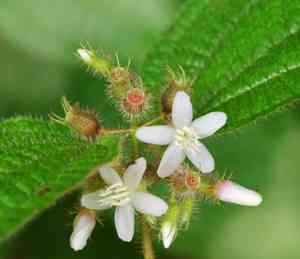
Soapbush offers a distinct visual charm through its abundant leaves and colorful blooms.
2
Selecting an appropriate site for Soapbush guarantees its best development and vitality.
3
Effective care and placement strategies can elevate your garden's complete attractiveness.
Introducing Soapbush into Your Garden
Appreciating Soapbush's visual appeal
The rich, lively foliage of Soapbush can infuse a tropical feel into your garden. Its broad, textured leaves offer a strong visual contrast against more delicate flora, adding depth and intrigue to your landscape design. Furthermore, the bright, striking blooms produced by Soapbush can serve as a magnificent centerpiece, capturing visitors' attention and establishing a focal point in your outdoor area.
Advantages of incorporating Soapbush in landscaping
Soapbush offers more than just beauty. It's an evergreen shrub, meaning it keeps its leaves all year, providing continuous cover and seclusion. Moreover, Soapbush is known for its hardiness; it thrives in various conditions, from sunny spots to partial shade, making it a versatile addition to nearly any garden. Additionally, this plant can contribute to your garden's ecological balance by attracting pollinators like bees and butterflies.
Key considerations before planting Soapbush
Before adding Soapbush to your garden, it's vital to consider its growth habits and care requirements. This plant can grow quite vigorously, so planning for ample space and regular trimming is crucial. Also, ensuring Soapbush doesn't overshadow nearby plants and receives adequate light and water will greatly contribute to its health and harmonious integration into your landscape design.
Selecting the Ideal Spot for Soapbush
Evaluating sun exposure needs
Soapbush thrives best in areas with abundant sunlight, though it can also tolerate some shade. For optimal balance, choose a garden spot that receives at least 4-6 hours of direct sun daily. This will ensure robust growth, displaying vibrant foliage and abundant flowers. Observe your garden at various times of day to identify areas meeting these sunlight criteria.
Soil types and their impact on Soapbush development
Soapbush prefers well-draining soil rich in organic matter. While it can adapt to various soil types, from loamy to sandy, ensuring proper drainage is crucial to prevent root rot and encourage healthy growth. You might consider enriching your soil with compost or other organic materials to boost its fertility and water retention. A soil pH test can also help determine if adjustments are needed, with a slightly acidic to neutral pH being ideal for Soapbush.
Spacing and layout recommendations for Soapbush
When planting Soapbush, proper spacing is essential for adequate airflow and light penetration, which helps reduce disease risk and promotes healthy growth. Allow at least 3-4 feet between each plant to accommodate its mature size and prevent overcrowding. Arranging Soapbush in clusters or using it as a backdrop for shorter plants can create a layered and dynamic garden design. Remember to consider the growth habits of adjacent plants to ensure they complement each other.
Integrating Soapbush with Other Flora
Companion planting considerations
Companion planting involves choosing plants that mutually benefit each other when grown together. Soapbush pairs well with plants that flourish in similar conditions, such as gardenias, ferns, and other tropical or subtropical species. These companions can enhance the overall health and beauty of your garden while also offering shared protection against pests and diseases. Researching and planning your garden's layout with these complementary plants will ensure a cohesive and thriving plant community.
Crafting a balanced garden aesthetic
A well-balanced garden design incorporates diverse textures, heights, and colors to create visual interest and harmony. Utilize Soapbush's bold leaves and striking flowers as a contrast to finer-textured plants like grasses or ferns. Additionally, consider the seasonal blooming patterns of your plants to ensure year-round color and appeal. Incorporating hardscape elements such as paths, rocks, or water features can also enhance your garden's visual charm and utility.
Seasonal planting strategies for continuous beauty
To maintain a beautiful garden throughout the year, consider the seasonal characteristics of your plants. Soapbush's evergreen nature ensures its constant presence, but complement it with plants that bloom or change colors in different seasons. Spring bulbs, summer perennials, fall foliage plants, and winter-blooming species can be strategically placed to create ongoing visual interest. This approach guarantees that your garden remains vibrant and engaging, regardless of the season.
Care Guidelines for Thriving Soapbush Plants
Watering instructions for peak health
Consistent watering is crucial for Soapbush's health, especially during its initial establishment. Water deeply but infrequently, allowing the soil to dry out slightly between waterings. This encourages deep root development and boosts the plant's drought resistance. During hot, dry periods, you might need to water more often, but always check soil moisture first to prevent overwatering. Mulching around the plant's base can help retain moisture and reduce evaporation.
Common pests and how to safeguard Soapbush
While Soapbush is relatively pest-resistant, it can still be affected by common garden pests like aphids, spider mites, and caterpillars. Regularly inspecting your plants for signs of infestations, such as discolored leaves or webbing, can help you detect problems early. Natural remedies like neem oil or insecticidal soap can effectively treat minor infestations. Encouraging beneficial insects, such as ladybugs and predatory mites, can also help control pest populations.
Pruning techniques to boost growth and appearance
Pruning is essential for maintaining Soapbush's shape and health. Regularly removing dead or damaged branches encourages new growth and improves air circulation within the plant. Prune in late winter or early spring before new growth begins, focusing on thinning out crowded areas and shaping the plant to your desired form. Using sharp, clean tools will ensure precise cuts and minimize the risk of introducing diseases.
Styling Your Landscape with Soapbush
Visual techniques to highlight Soapbush
Creating contrast is key to making Soapbush a prominent feature in your landscape. Pair it with plants of varying colors, textures, or sizes to emphasize its unique characteristics. Using darker mulch or gravel around its base can also make the plant visually stand out. Additionally, framing Soapbush with garden structures like arbors or trellises can draw attention to it, enhancing its role as a focal point in your garden.
Utilizing Soapbush for borders and focal points
Soapbush's dense growth habit makes it an excellent choice for creating natural borders or hedges. Its year-round foliage ensures continuous privacy and structure in your garden. For a striking focal point, plant Soapbush in a prominent location where its vibrant colors and lush leaves can be fully appreciated. Combining it with complementary plants and decorative elements will enhance its impact, creating a cohesive and visually appealing landscape.



