How to Transplant Soapbush?
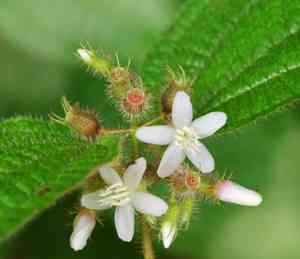
For soapbush, the ideal transplanting window extends from the invigorating warmth of mid-spring to the threshold of early summer, providing a combination of temperate conditions and vigorous development. Select a partially shaded location with damp, adequately draining earth to ensure soapbush's thriving. Enriching soapbush's environment with compost can aid in a smooth adjustment.
What Preparations are Needed Before Transplanting Soapbush ?
What is the Ideal Time for Transplanting Soapbush ?
The optimal period for relocating soapbush is during the peak of spring, when temperatures are balanced and growth conditions are perfect. Moving soapbush at this time encourages strong root development and ensures the plant establishes itself well before summer's heat. This coincides with ample rainfall and milder temperatures, aiding the plant's smooth adjustment to its new spot. By choosing this timeframe for transplanting, you provide soapbush with the best possible start, enabling it to thrive and enhance your garden with its enduring beauty.
How Much Space Should You Leave Between Soapbush Plants?
When rehousing your soapbush , ensure they are spaced approximately 2-3 feet (60-90 cm) apart. This provides each plant ample room to flourish without competing for nutrients and sunlight.
What is the Best Soil Mix for Soapbush Transplanting?
For your soapbush , combine nutrient-rich, well-draining soil with a gentle, slow-release fertilizer to create an ideal growing medium. A balanced mixture promotes robust root growth and a thriving, healthy plant.
Where Should You Relocate Your Soapbush ?
Select a location for soapbush that receives partial to full sunlight throughout the day. This sun-drenched setting helps your green companion flourish and reach its full blooming potential.
What Equipments Should You Prepare Before Transplantation Soapbush ?
Gardening Gloves
To safeguard your hands while handling soil and plants.
Shovel or Spade
For excavating the soapbush plant without harming its root ball.
Watering Can or Hose
To hydrate the soapbush plant before removal and after replanting.
Garden Fork
Useful for loosening the soil around the soapbush 's original position.
Wheelbarrow or Tarp
For moving the soapbush plant and soil without creating a mess.
Pruning Shears
To trim any dead or excess growth prior to transplanting.
How Do You Remove Soapbush from the Soil?
How Do You Remove Soapbush from the Soil?
From Ground: Begin by moistening the soapbush plant to soften the soil, making it easier to manage. Then, using a shovel or spade, carefully dig in a circle around the plant, ensuring to keep a good distance from the main stem to prevent root damage. Gently pry beneath the root ball to lift the plant from the ground.From Pot: Ensure the soil is damp, then tilt the pot sideways and tap the base to help dislodge the soapbush from its container. Gently pull the plant by the stem's base, avoiding tugging on leaves or branches.From Seedling Tray: Dampen the soil in the tray before attempting to extract the soapbush seedlings. Carefully separate individual seedlings using a garden fork or your fingers, taking care not to harm the delicate roots.
Step-by-Step Guide for Transplanting Soapbush
Dig Hole
Excavate a hole in the ground that is twice as wide and the same depth as the soapbush 's root ball to allow ample space for root expansion.
Prepare soapbush
Remove any weeds or debris from the root ball and untangle any circling or matted roots to encourage healthy development.
Place the Plant
Gently position the soapbush plant in the hole. The top of the root ball should be level with the surrounding soil surface.
Fill the Hole
Carefully backfill around the root ball with soil, lightly tamping down to eliminate air pockets.
Water Generously
Water the soapbush immediately after transplanting to settle the soil around the roots and aid in the initial shock recovery.
Mulching
Apply a layer of mulch around the base of the soapbush to help retain moisture and maintain root warmth.
How Do You Care For Soapbush After Transplanting?
Watering
Ensure you water the soapbush consistently to prevent the soil from drying out, but also to avoid waterlogging, which can be equally harmful.
Mulching
Maintain the mulch layer to regulate soil temperature and preserve moisture levels.
Pruning
Trim any damaged or dead parts of the soapbush immediately after transplant to redirect energy to the plant's healthy sections.
Monitoring
Observe the soapbush for signs of stress such as wilting or discolored leaves and take necessary action to mitigate issues.
Troubleshooting Common Issues with Soapbush Transplantation.
What's the best time to transplant soapbush ?
The optimal period for relocating soapbush is when the weather begins to warm, typically from mid to late spring.
How far apart should I space soapbush during transplanting?
Aim to give soapbush ample room to thrive by spacing them 2-3 feet (60-90 cm) apart.
Why are my transplanted soapbush wilting?
Wilting after transplant may be due to shock. Keep the soil moist and provide shade for a few days.
How deep should the hole be for transplanting soapbush ?
The hole should be as deep as the root ball and twice as wide to promote root growth.
Can I transplant soapbush on a hot day?
Transplanting soapbush on a cooler, overcast day is ideal to prevent stress and dehydration.
How much should I water soapbush after transplanting?
Water soapbush generously upon planting and regularly until established, without over-saturating the soil.
Should I fertilize soapbush right after transplanting?
Wait a few weeks before fertilizing to allow soapbush to settle and begin new growth.
What soil type is best for transplanting soapbush ?
Use well-draining soil rich in organic matter to provide a nourishing environment for soapbush .
My transplanted soapbush looks droopy. What should I do?
Ensure soil moisture is correct and provide support if needed. Droopiness can be a temporary transplant reaction.
How do I prepare soapbush for transplanting?
Water soapbush thoroughly before uprooting, and trim any damaged roots or foliage to focus the plant's energy.



