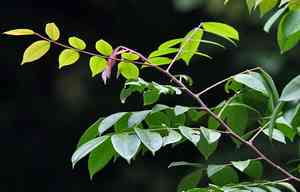
Carambola(Averrhoa carambola)

Carambola (Averrhoa carambola)

Also known as: Caramba, Star Pickle, Five-corner, Carambola Tree, Chinese Gooseberry

Averrhoa carambola, a tree native to the tropical areas of Southeast Asia, produces a fruit known as starfruit. This name comes from the distinct star shape you see when the fruit is sliced cross-sectionally. Besides being delicious, it is also noted for its potential health benefits.

Attributes of Carambola

Lifespan
Perennial
Plant Type
Tree
Plant Height
5 m to 12 m
Spread
8 m
Leaf Color
Green
Flower Size
6 mm
Flower Color
Pink Purple Violet

ForwardPlant - Identify plants with a snap

Identify and diagnose plants, get toxicity alerts, and explore safety guides for all types of fungi.

Try for Free

Images of Carambola

Carambola(Averrhoa carambola)

Quickly Identify Carambola

1
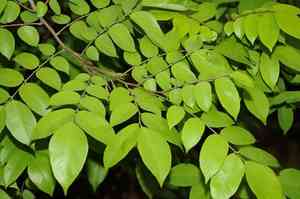
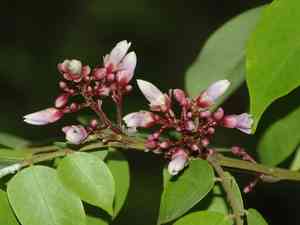
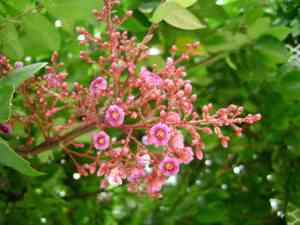
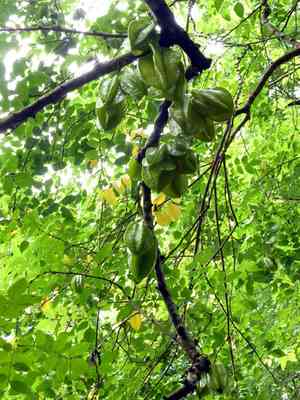
Carambola can be identified by its distinctive star-shaped fruit when cut crosswise, which has five golden-yellow, waxy lobes. The tree has green, ovate leaves and small, pink to lavender flowers.

Scientific Classification of Carambola

Phylum
Vascular plants
Class
Dicotyledons
Order
Woodsorrels, quandongs, and allies
Family
Wood sorrel
Genus
Averrhoa
Species
Carambola

Planting and Growing of Carambola

Care Difficulty
Easy
Watering Schedule
Every 8 days
Sunlight Requirements
Full sun
Sunshine Duration
6-8 hours
Ideal Temperature
68-86℉
Soil Type
Potting Mix, Peat Mix
Soil pH
5.5-7.5
Fertilizer Type
Balanced
Pruning Season
Spring, Summer
Pruning Area
Branches, Leaves
Pruning Frequency
Once a year
Repotting Season
Spring
Pot Type
Plastic, Ceramic

water icon How to Water Carambola?

Averrhoa carambola, commonly known as the starfruit, requires a well-balanced watering strategy. Ensure about 500ml per watering session. The goal is to moisten the soil evenly without leaving it soggy. Aim for consistency, keeping the top 2-3 inches of soil damp, which allows the roots to absorb moisture effectively without drowning in water.
What are the symptoms of an underwatered Carambola?
What should I do if my Carambola is not getting enough water?
What are the symptoms of an overwatered Carambola?
How to save an overwatered Carambola?
More About Watering Techniques

sunlight icon What Are the Sunlight Requirements for Carambola?

Sunlight Requirements: Full sun, Partial sun
Duration of light: 4 to 6 hours
Averrhoa carambola thrives in full to partial sun. Ideal light exposure enhances chlorophyll production, promoting robust growth and high-quality fruit yields essential for its ornamental and economic value.
What is the ideal location for planting?
How can you enhance lighting conditions if natural light is insufficient?
What happens if the plant receives ideal light conditions?
More About Sunlight Requirements Techniques

temperature icon What Is the Ideal Temperature Range for Carambola?

Ideal Temperature: 68 ~ 86℉
Averrhoa carambola thrives best in tropical and subtropical climates where the temperature consistently remains between 68°F and 86°F. This range provides the optimal conditions for growth, photosynthesis, and fruit development. Ensuring the plant is within this temperature bracket encourages lush foliage and healthy fruiting cycles.

soil icon What Soil is Best for Carambola?

Soil type: Loam, Sandy loam
Soil PH: 5.5 ~ 7.5
Averrhoa carambola thrives in well-draining soil, as it prevents root rot and waterlogging. This trait is crucial for maintaining optimal root health and ensuring vigorous growth of the plant. A well-draining soil structure permits ample oxygen to reach the roots, vital for the tree's nutrient uptake. The plant benefits from soil enriched with organic matter, which feeds the starfruit tree and enhances soil fertility. Organic matter, such as compost or well-rotted manure, provides essential nutrients and improves soil structure, moisture retention, and microbial activity. A neutral pH range between 5.5 to 7.5 is ideal for Avgerrhoa carambola. Maintaining such acidity levels helps in the availability of nutrients to the plant, ensuring a balanced growth and reducing the possibility of nutrient deficiencies. More About Soil

fertilize icon How to Fertilize Carambola?

Fertilizer type: Balanced
For Averrhoa carambola, use a balanced 10-10-10 NPK formulation. Apply 1 tablespoon per gallon of water for liquid fertilizers. For slow-release granules, apply about 1 cup per tree. The amount applied should consider the age and size of the tree, with younger trees requiring less. Always follow the manufacturer's instructions to avoid over-fertilizing. More About Fertilizing Techniques

prune icon How to Prune Carambola?

Pruning Time: Spring, Summer, Autumn
Start by inspecting the tree for any dead, damaged, or diseased branches. These should be your first focus as their removal will improve the tree's overall health and allow it to allocate resources to more productive parts. Work towards a balanced canopy by removing crossing branches and thinning out overly dense growth. This will ensure good air circulation and sunlight exposure, reducing the risk of disease and enhancing fruit development. When cutting branches, make your cuts at a slight angle just above a node or outward-facing bud. This technique helps in directing the future growth of branches outward, keeping the interior of the tree open and healthy. More About Pruning Techniques

propagate icon How to Propagate Carambola plant?

Propagate Time: Spring, Early summer
1
Collect seeds from ripe starfruit, clean them thoroughly to remove any pulp, and let them dry for a few days before planting them in moist soil.
2
Select semi-hardwood cuttings from a healthy mature plant. Make a clean cut just below a node and remove any excess leaves to reduce moisture loss.
3
Prepare the rootstock and scion by cutting in a method suitable for the size of each. Align the cambium layers and secure them with grafting tape.
More About Propagating Techniques

repot icon How to Repot Carambola plant?

Repotting frequency: Every 2-3 years
1
The best time to repot Averrhoa carambola is during spring or summer when the plant is in its growing phase. Look for signs like roots emerging from the drainage holes or the soil drying out rapidly to indicate it's time to repot.
2
Select a pot that is slightly larger than the current one, has ample drainage holes, and is made from material like terracotta, which allows for better aeration. This ensures healthy root growth by preventing waterlogging and root rot.
3
Opt for a well-draining, loamy soil mix rich in organic matter for Averrhoa carambola. This type of soil ensures excellent drainage, retains necessary nutrients, and promotes healthy root development, preventing root diseases.

ForwardPlant - Identify plants with a snap

Find the best spots for them to optimize their health, simply using your phone.

Try for Free

Toxicity of Carambola

Is Carambola toxic to humans?

Carambola exhibits a mild toxicity level in humans, primarily through the ingestion of its fruit. This fruit contains oxalic acid and caramboxin, which may be harmful when consumed in substantial amounts. Symptoms associated with carambola poisoning include nausea, vomiting, confusion, and weakness. For individuals with existing kidney conditions, consuming carambola's fruit can result in more serious neurological effects due to caramboxin's presence. It is essential for individuals, especially those with renal concerns, to exercise caution regarding the intake of carambola's fruit to mitigate potential health risks.

Is Carambola toxic to cat?

The carambola fruit presents a mild toxicity risk to cats if consumed inadvertently. This fruit contains oxalic acid and caramboxin, which can be harmful to felines when ingested. Following consumption, a cat might exhibit several symptoms indicating physical distress, which could worsen without timely veterinary care. Cat owners should be watchful and ensure their pets cannot reach the toxic elements of the carambola plant—particularly its fruit. In case of poisoning, it is essential to obtain immediate care at a veterinary clinic to safeguard the health of the affected cat.

Is Carambola toxic to dog?

Carambola presents a moderate toxicity risk for dogs. Canines may inadvertently consume portions of the carambola plant, potentially resulting in poisoning. The most toxic components of this plant are its fruits, which contain harmful substances for dogs when ingested. Following the consumption of carambola, dogs may show symptoms such as vomiting, diarrhea, lethargy, or more serious reactions depending on the quantity ingested and the dog’s individual sensitivity. It is essential for dog owners to keep a close watch on their pets and restrict their access to carambola. Should a dog ingest any part of the carambola, seeking immediate veterinary assistance is crucial to ensure that appropriate care and treatment are provided.

Identify toxic plants for your safety

Learn which plants are harmful to you and your pets, and make informed choices for a safer home!

Try for Free
WARNING
The judgment on toxicity and danger is for reference only. We DO NOT GUARANTEE any accuracy of such judgment. Therefore, you SHALL NOT rely on such judgment. It is IMPORTANT TO SEEK PROFESSIONAL ADVICE in advance when necessary.
More About Toxic Techniques