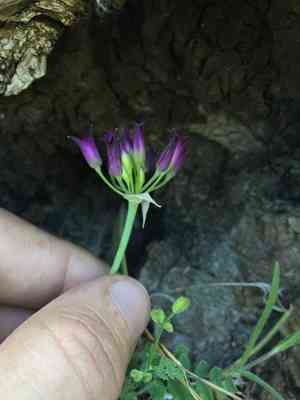
Bolander's onion (Allium bolanderi)
Also known as: Bolander's onion, Sierra onion
Bolander's onion (Allium bolanderi) is indigenous to the mountainous areas of northern California and southern Oregon. It prospers in rocky, well-drained serpentine soils, typical of its native chaparral, woodland, and coniferous forest habitats. This perennial herb features narrow, elongated leaves and produces dense clusters of pink to purple flowers on slender, leafless stems, usually blooming from late spring to early summer. The bulbs and foliage emit a distinctive aroma, a common trait within the Allium genus.
In This Article
Attributes of Bolander's onion
Lifespan
Perennial
Plant Type
Herb
Plant Height
10-40 cm (4-16 inches)
Spread
Not applicable
Leaf Color
Green
Flower Size
Up to 2 cm
Flower Color
Blue to red-purple
Images of Bolander's onion
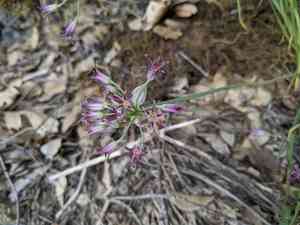
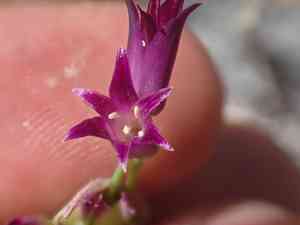
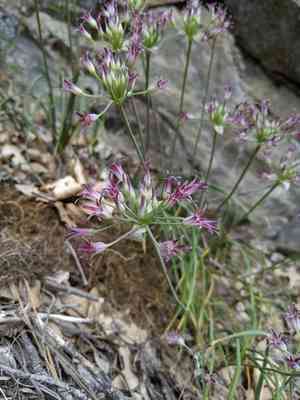
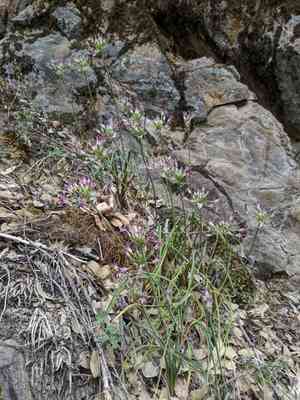
Quickly Identify Bolander's onion
1
Identifying Allium bolanderi involves looking for its small, bulbous form, blue to red-purple flower clusters, and its distinctive onion smell when the plant is crushed.
Scientific Classification of Bolander's onion
Phylum
Vascular plants
Class
Monocotyledons
Order
Asparagales
Family
Amaryllis
Genus
Onions
Species
Bolander's onion
Planting and Growing of Bolander's onion
Care Difficulty
Moderate
Watering Schedule
Every 2 days
Sunlight Requirements
Full sun
Sunshine Duration
4-6 hours
Ideal Temperature
60-75℉
Soil Type
Potting Mix, Peat Mix
Soil pH
6.5-7.5
Fertilizer Type
Balanced
Pruning Season
Spring, Summer
Pruning Area
Branches, Leaves
Pruning Frequency
2 times a year
Repotting Season
Spring
Pot Type
Plastic, Ceramic
 How to Water Bolander's onion?
For Allium bolanderi, water generously each time you irrigate, ensuring the soil is saturated yet not waterlogged. This process ensures that the water reaches the roots deeply, promoting healthy growth without causing oxygen deprivation to the roots.
What are the symptoms of an underwatered Bolander's onion?
›
What should I do if my Bolander's onion is not getting enough water?
›
What are the symptoms of an overwatered Bolander's onion?
›
How to save an overwatered Bolander's onion?
›
 What Are the Sunlight Requirements for Bolander's onion?
Allium bolanderi flourishes with half to full day sunlight. This exposure is critical for healthy growth, aiding in photosynthesis and ensuring robust foliage and prolific flowering.
What is the preferred lighting condition for Allium bolanderi?
›
How can I ensure Allium bolanderi gets the ideal light exposure?
›
What benefits can Allium bolanderi expect from optimal lighting?
›
 What Is the Ideal Temperature Range for Bolander's onion?
The ideal temperature range for Allium bolanderi is between 60°F and 75°F. This range allows the plant to thrive and promotes optimal growth and flowering. Temperatures within this range ensure adequate metabolic function and prevent stress that could lead to poor development.
 What Soil is Best for Bolander's onion?
Allium bolanderi thrives in well-draining soil, which prevents waterlogging and root rot. This is crucial for the plant's health, as poor drainage can lead to fungal diseases that compromise its growth and vitality. The plant benefits from a nutrient-rich soil that supplies essential nutrients for growth. Incorporating organic matter improves the soil's fertility, supporting healthy foliage and vibrant flowering. While the plant prefers well-drained soil, it also requires moderate moisture retention. This balance ensures that the roots receive enough water to sustain growth between watering sessions without becoming waterlogged.
 How to Fertilize Bolander's onion?
For Allium bolanderi, it's important to apply a balanced 10-10-10 liquid fertilizer at half the recommended strength. This ensures that the plant receives adequate nutrients without the risk of burning the roots. Each application should involve about 50 ml of prepared solution per plant base.
 How to Prune Bolander's onion?
To prune Allium bolanderi, start by removing any dead or damaged foliage. Use sharp, clean shears to trim the plant back to a height of about 4-5 inches above the ground. Be cautious not to cut too close to the base as this can damage new growth. If the plant is becoming overly dense, selectively thin out some of the interior stems to improve air circulation.
More About Pruning Techniques→
 How to Propagate Bolander's onion plant?
1
Allow the Allium bolanderi flowers to mature and dry on the plant. Collect the seed heads and gently crush them to release the seeds. Store them in a cool, dry place until ready to plant.
2
Fill a seed tray with a well-draining potting mix. Sprinkle seeds evenly across the surface and cover with a thin layer of soil. Water gently and place in a sunny location.
3
Carefully dig up the entire plant after flowering. Use your hands or pruning shears to separate the clumps, ensuring each has several healthy roots and shoots. Replant immediately in prepared soil.
 How to Repot Bolander's onion plant?
1
Look for signs like root crowding at the pot's surface or water passing through without absorbing. These indicate it's time to repot Allium bolanderi. Another signal is stunted growth, suggesting root confinement.
2
Opt for a pot that's one size larger than the current one to give roots space to spread. Drainage holes are crucial to prevent soggy conditions, ensuring healthy root systems and preventing rot.
3
Select a well-draining sandy soil mix. It should prevent water logging and facilitate robust growth. Such soil promotes aeration, aiding nutrient uptake and root health, essential for Allium bolanderi.



