How to Transplant Bolander's onion?
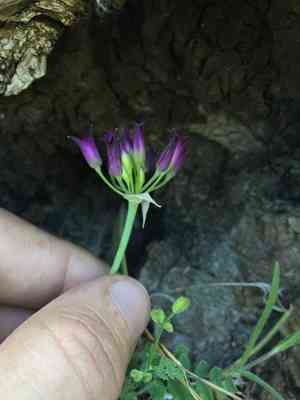
Bolander's onion flourishes most effectively when relocated during the initial phase of spring. Choose a bright, adequately drained spot to achieve prime growing circumstances. Verify that the soil is rich and not saturated with water. Only move the plant if its root system is robust and it has reached maturity.
What Preparations are Needed Before Transplanting Bolander's Onion?
What is the Ideal Time for Transplanting Bolander's Onion?
The best period to relocate bolander's onion, a perennial, is from early to mid-spring. This timing ensures the ground is workable and the plant has a full growing season to establish roots prior to summer's heat. Transplanting then maximizes growth and boosts bolander's onion's resistance to environmental stressors.
How Much Space Should You Leave Between Bolander's Onion Plants?
When moving bolander's onion, ensure each plant is spaced 8-12 inches (20-30 cm) apart. This spacing provides ample room for development and promotes good air circulation, lowering disease risk.
What is the Best Soil Mix for Bolander's Onion Transplanting?
Prepare a well-draining soil enriched with organic matter for bolander's onion. You can incorporate compost or a balanced fertilizer with equal parts nitrogen, phosphorus, and potassium to fortify the soil before planting.
Where Should You Relocate Your Bolander's Onion?
Select a spot that receives at least 6 hours of direct sunlight daily for transplanting bolander's onion. Sufficient sun is crucial for robust growth and blooming.
What Equipments Should You Prepare Before Transplantation Bolander's Onion?
Gardening Gloves
To safeguard your hands while handling soil and the plant.
Shovel or Spade
To excavate around and lift the plant, including its root ball, from the ground.
Trowel
For creating small planting holes in the new site.
Watering Can or Hose
To hydrate the plant before and after its relocation.
Mulch
To cover the soil post-transplant, aiding moisture retention and weed suppression.
Bucket
To transport the plant and its root ball if necessary.
How Do You Remove Bolander's Onion from the Soil?
How Do You Remove Bolander's Onion from the Soil?
From Ground: First, water the bolander's onion plant to moisten the soil. Next, dig a wide trench around the plant using a shovel or spade, ensuring the plant's root ball stays intact. Carefully work the spade beneath the root ball to lift the plant from its original spot.From Pot: Water the bolander's onion plant to help loosen the soil. Gently invert the pot and slide the plant out while supporting its base and root ball. If the plant is stuck, you can gently squeeze or tap the pot's sides to free it.From Seedling Tray: Water the seedlings to make the soil damp. Use a small trowel or your fingers to carefully lift the seedling, ensuring you extract as much of the root ball as possible without harming the roots.
Step-by-Step Guide for Transplanting Bolander's Onion
Site Preparation
Clear the new area of any weeds or debris and dig a hole slightly larger than the bolander's onion plant's root ball.
Removing the Plant
Follow the appropriate removal method based on the plant's initial location (ground, pot, or seedling tray). Ensure the root ball remains undamaged during this process.
Planting
Place the bolander's onion plant in the new hole, making sure it's at the same depth as it was in its previous spot. Fill in around the plant with soil, gently pressing down to remove air pockets.
Watering
Thoroughly water the bolander's onion plant immediately after transplanting to help the soil settle around the root ball.
How Do You Care For Bolander's Onion After Transplanting?
Watering
Keep the soil around the bolander's onion consistently moist, but not waterlogged, for the initial weeks post-transplant to aid in root establishment.
Mulching
Apply a layer of mulch around the base of the bolander's onion plant to help retain moisture and suppress weeds.
Monitoring
Regularly inspect the plant for any indications of stress, such as wilting or yellowing leaves, and take appropriate action if needed.
Troubleshooting Common Issues with Bolander's Onion Transplantation.
When is the best time to transplant bolander's onion?
The ideal time to transplant bolander's onion is in early to mid-spring when temperatures are mild.
How far apart should I space bolander's onion plants?
Space bolander's onion plants 8-12 inches (20-30 cm) apart for optimal growth and airflow.
What soil type is ideal for transplanting bolander's onion?
Choose well-draining soil rich in organic matter to ensure healthy roots for bolander's onion.
How should I prepare the soil for bolander's onion?
Loosen the soil and mix in compost to provide nutrients and improve drainage for bolander's onion.
Should I water bolander's onion immediately after transplanting?
Yes, water bolander's onion thoroughly after transplanting to help the roots settle and reduce transplant shock.
How can I minimize transplant shock for bolander's onion?
Transplant bolander's onion on a cloudy day or in the evening to reduce stress and sun exposure.
What is the optimal temperature range for transplanting bolander's onion?
Transplant when temperatures are between 50-70°F (10-21°C) to ensure the best growth.
How deep should I plant bolander's onion during transplanting?
Plant bolander's onion at the same depth it was growing originally in its previous pot or location.
Can I transplant bolander's onion if it is already flowering?
It's best to transplant bolander's onion before flowering to reduce stress and ensure better adaptation.
How often should I water bolander's onion after transplanting?
Water bolander's onion regularly after transplanting, keeping the soil consistently moist but not waterlogged.



