How to Prune Bolander's onion?
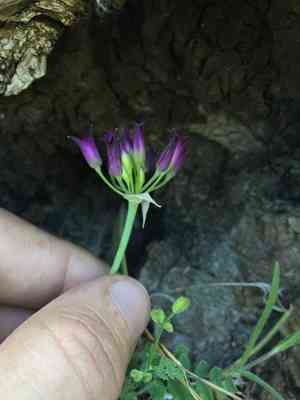
Bolander's onion, recognized for its bulb-like structure and unique flowers, thrives with minimal trimming. Ideally performed in early spring or late winter, remove any withered or compromised leaves, directing the plant's resources toward vigorous development. Refrain from extensive cutting to avoid hindering its growth. Trimming contributes to a neat look and encourages abundant blossoming. Always sanitize instruments to avert illness.
What Are the Benefits of Pruning Bolander's Onion?
What Are the Benefits of Pruning Bolander's Onion?
Bolander's onion thrives with trimming, encouraging robust development and maintaining an ideal form. Regular cutting helps eliminate dead or damaged foliage, improving overall look and vitality, and can deter potential pest and disease issues. Pruning fosters a strong, well-shaped plant.
What Is the Best Time for Pruning Bolander's Onion?
What Is the Best Time for Pruning Bolander's Onion?
Trimming bolander's onion in early spring or late winter is considered optimal because this plant species undergoes a crucial phase in its growth cycle during these periods. In late winter, the plant is dormant, which minimizes the shock and potential harm from pruning. Early spring is ideal as it allows new growth to establish before the plant's blooming season. Pruning during these times ensures the plant stays healthy and can direct its energy efficiently towards producing flowers rather than repairing damage.
What Tools Do I Need to Prune Bolander's Onion?
Hand Pruners
Essential for maintaining bolander's onion. Their precision is perfect for carefully removing any dead or damaged leaves without causing excessive harm to the plant.
Sharp Scissors
Useful for precise cuts and more detailed trimming needs. They allow for clean cuts which can help prevent disease.
Garden Shears
Helps in managing more extensive clump formations that might occur. They help keep the plant neat while ensuring its health.
How to Prune Bolander's Onion
Inspect
Carefully examine bolander's onion for diseased and withered leaves to determine the extent of trimming required.
Sanitize
Disinfect your pruning tools with a solution of one part bleach to nine parts water to prevent the spread of disease.
Trim diseased leaves
Use clean, sharp scissors or shears to cut off any leaves showing signs of disease at the base of the leaf stem, ensuring complete removal of the affected area.
Trim withered leaves
Cut off withered leaves close to the base. Ensure that any yellow or brown leaves are removed to promote healthy growth.
Dispose
Properly discard all trimmed parts by bagging and throwing them away, or by composting if they are not diseased, to prevent contamination and pest infestation.
Common Pruning Mistakes with Bolander's Onion
Over-pruning
Removing too much foliage can stress bolander's onion, hindering its ability to photosynthesize effectively and recover.
Improper Tools
Using dull or dirty tools can damage the plant tissue, making bolander's onion susceptible to infections and pests.
Pruning During Active Growth
Trimming while bolander's onion is actively growing can disrupt its natural growth cycle and flowering potential.
Ignoring Disease Signs
Overlooking diseases or pest infestations and proceeding with pruning can exacerbate the problem, spreading infections throughout the plant.
Common Pruning Tips for Bolander's Onion
Use Sharp, Clean Tools
Always sanitize and sharpen your pruning shears to ensure clean cuts that heal quickly and reduce infection risks.
Moderation is Key
Remove only the necessary amount of foliage and avoid excessive cutting to maintain bolander's onion's health and vigor.
Observe Plant Health
Inspect bolander's onion for signs of disease or pests before pruning. Address any issues promptly to avoid spreading them.
Focus on Dead or Damaged Parts
Prune away any dead, diseased, or damaged leaves and stems to promote healthy growth and prevent infection spread.



