How Often Should You Water Your Arrowleaf elephant's ear?
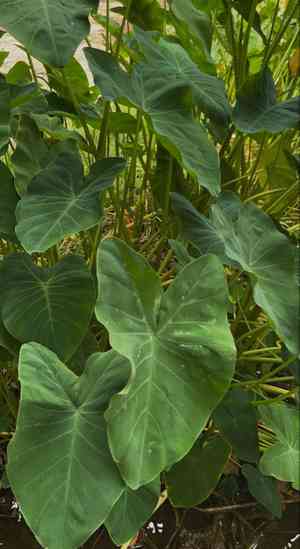
1
Arrowleaf elephant's ear flourishes in continuously damp substrate, yet must avoid standing in saturated conditions.
2
Spraying the Arrowleaf elephant's ear aids in preserving moisture levels, though it doesn't replace routine irrigation.
3
Plan to hydrate your Arrowleaf elephant's ear weekly, modifying as per warmth and atmospheric moisture.
Grasping the Hydration Requirements of Arrowleaf elephant's ear
The Significance of Adequate Moisture for Arrowleaf elephant's ear
Sufficient moisture is vital for the Arrowleaf elephant's ear. This tropical specimen, recognized for its lush and broad foliage, demands a proper moisture equilibrium to flourish. Correct watering ensures the plant can transport nutrients and sustain its turgor, keeping leaves firm and vibrant. Without enough water, the plant can become stressed, leading to yellowed leaves, stunted development, and susceptibility to pests and diseases.
Indicators of Excessive and Insufficient Watering
It's crucial to identify the signs of both overwatering and underwatering to maintain your Arrowleaf elephant's ear's health. Overwatering often results in yellowing leaves, a soft stem, and root decay, which can be fatal if not promptly addressed. Conversely, underwatering appears as brown, brittle leaf edges and a general limpness, indicating the plant isn't getting enough moisture.
How Much Water Does Arrowleaf elephant's ear Require?
Typically, you should aim to irrigate your Arrowleaf elephant's ear weekly. However, the precise water volume needed can vary based on several elements, including plant size, pot dimensions, and ambient conditions. It's essential to ensure water penetrates deeply into the soil to reach the root zone. The objective is to keep the soil consistently moist but not waterlogged, as overly wet soil can cause root ailments.
Optimal Practices for Irrigating Arrowleaf elephant's ear
Selecting the Appropriate Watering Implements and Methods
Utilizing the correct watering tools and techniques is key to maintaining the ideal moisture level for your Arrowleaf elephant's ear. A watering can with a long spout or a drip system can help deliver water directly to the soil, minimizing leaf wetness, which can lead to fungal issues. Watering in the early morning is also advantageous as it allows the plant to absorb moisture before the day's heat.
The Influence of Seasonal Shifts on Watering Frequency
Seasonal changes significantly affect how often you should water your Arrowleaf elephant's ear. During warmer periods, the plant may need more frequent watering due to faster evaporation and increased growth. Conversely, in cooler months, its water demands decrease, and you might only need to water every two weeks. Always check soil moisture before watering by inserting your finger about an inch (2.5 cm) into the soil; if it feels dry, it's time to water.
Advice for Consistent Hydration
Consistency is vital for your Arrowleaf elephant's ear's well-being. Establish a regular watering schedule, but adjust as necessary based on current conditions. Use room temperature water, as cold water can shock the plant's roots. Also, ensure your pot has adequate drainage to prevent water accumulation at the bottom. Additionally, consider applying mulch to the soil surface to help retain moisture.
Resolving Common Watering Problems with Arrowleaf elephant's ear
Addressing Saturated Soil
Saturated soil is a frequent problem that can severely impact your Arrowleaf elephant's ear's health. If you observe water pooling on the soil surface or the soil consistently feels soggy, it indicates poor drainage. To rectify this, ensure your pot has sufficient drainage holes. Consider repotting the plant using a well-draining soil mix, or adding perlite or sand to enhance aeration.
Managing the Effects of Mineral-Rich Water
Hard water, containing high levels of minerals like calcium and magnesium, can result in white crusts on the soil surface or leaf tip burn. If hard water is an issue, use filtered or distilled water for your Arrowleaf elephant's ear. Rainwater is also an excellent alternative. Alternatively, you can let tap water sit for 24 hours to allow some minerals to dissipate.
Modifying Watering Schedule in Diverse Environments
Adjusting your watering schedule based on the environment is crucial. In arid, hot conditions, your Arrowleaf elephant's ear may require more frequent watering. In contrast, in a humid or cooler environment, you should reduce watering frequency to prevent overwatering. Always monitor the plant's reaction to its watering routine and adjust accordingly.
Frequently Asked Questions Regarding Watering Arrowleaf elephant's ear
How do I determine if my Arrowleaf elephant's ear requires water?
To ascertain if your Arrowleaf elephant's ear needs water, check the soil's moisture level. Insert your finger approximately an inch (2.5 cm) into the soil. If it feels dry, it's time to water. Additionally, observe the leaves; wilting or drooping foliage are common indicators of dehydration.
Is tap water suitable for my Arrowleaf elephant's ear?
Tap water is generally acceptable for irrigating your Arrowleaf elephant's ear, but it's important to be mindful of its quality. Elevated levels of chlorine or minerals can harm the plant. To mitigate this, let the water sit for 24 hours before use, or use filtered water if your tap water quality is poor.
Does misting benefit Arrowleaf elephant's ear?
Misting can be advantageous for the Arrowleaf elephant's ear, especially in dry climates, as it helps maintain higher humidity levels around the plant. However, it is not a substitute for proper watering. Ensure the plant still receives thorough soil moisture, and misting should be done lightly to avoid excessive water on the leaves.



