Boost Growth: How and When to Repot Your Arrowleaf elephant's ear Plant
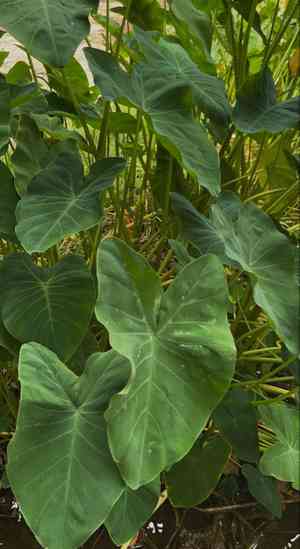
1
Relocate your Arrowleaf elephant's ear to a new container in Spring or Autumn for best development.
2
Select a container that is 2.5-5 cm (1-2 inches) wider across than its present one.
3
Verify the fresh pot allows adequate water runoff to avoid root damage from excessive moisture.
Why Replant Your Arrowleaf Elephant's Ear?
Understanding the Growth Cycle: Recognizing the Right Time
The Arrowleaf elephant's ear is a tropical plant that flourishes when provided adequate room. Replanting aids in managing the plant's growth cycle, ensuring ample space for root expansion. This procedure should ideally occur when the plant exhibits signs of outgrowing its current container, typically every 1-2 years. Spring and Autumn are optimal seasons for this task due to moderate temperatures, which support faster recovery and adaptation.
Signs of Distress: Indicators Your Plant Requires a New Home
Your Arrowleaf elephant's ear will display various signals when it needs replanting. Common signs include stunted growth, roots emerging from drainage holes, and the plant becoming top-heavy or unstable. Additionally, if you notice the soil drying out rapidly or developing a white crust, it's time for fresh potting mix. These stress indicators suggest the plant's current environment is no longer suitable for healthy development.
Selecting the Appropriate Pot and Soil for Arrowleaf Elephant's Ear
Choosing the Ideal Pot Size and Material
When selecting a new container for your Arrowleaf elephant's ear, choose one approximately 2.5-5 cm (1-2 inches) larger in diameter than the existing pot. Opt for pots made from breathable materials like terracotta or ceramic to encourage better root aeration. Ensure the pot has sufficient drainage holes to prevent water accumulation, which can lead to root rot.
Optimal Soil Mixes for Moisture Regulation and Nutrient Provision
The best soil blend for an Arrowleaf elephant's ear should drain well yet retain some moisture. A mixture of potting soil with added perlite or coarse sand works effectively. You can also incorporate organic matter such as compost to supply essential nutrients and enhance soil structure. This combination ensures your plant receives adequate moisture without becoming waterlogged.
Step-by-Step Guide to Replanting Arrowleaf Elephant's Ear
Preparing Your Plant: Gentle Root Handling
Begin by carefully removing the Arrowleaf elephant's ear from its current container. Loosen the soil around the edges and gently lift the plant, taking care not to harm the roots. If the roots are tightly bound, gently separate them to encourage easier adjustment to the new pot. Trim any dead or decaying roots with sterilized scissors to promote healthy growth.
Potting Procedure: Layering Soil and Positioning the Plant
Place a layer of fresh soil mix at the bottom of the new pot, filling it about one-third full. Position your Arrowleaf elephant's ear in the center and fill around the roots with more soil, ensuring the plant is upright and stable. Lightly press the soil to eliminate air pockets but avoid excessive compaction. Leave approximately 2.5 cm (1 inch) of space at the top for watering.
Aftercare: Watering and Placement Post-Replanting
Once replanted, water the Arrowleaf elephant's ear thoroughly to settle the soil and hydrate the roots. Place the plant in a location with indirect sunlight and moderate humidity. Avoid direct sunlight immediately after replanting to minimize plant stress. Continue to monitor soil moisture, ensuring it remains consistently damp but not waterlogged.
Frequently Asked Questions About Replanting Arrowleaf Elephant's Ear
How often should I replant my Arrowleaf elephant's ear?
Generally, replant your Arrowleaf elephant's ear every 1-2 years or when you observe signs of stress like roots growing out of drainage holes or slow growth. Spring and Autumn are the best seasons for replanting due to moderate temperatures, which promote quicker recovery.
What are common issues after replanting?
Post-replanting, your Arrowleaf elephant's ear may show signs of stress such as yellowing leaves or wilting. This is typically temporary as the plant adapts to its new environment. Ensure proper watering and indirect light to aid recovery. Root damage and improper soil moisture are common issues, so handle roots carefully and use a well-balanced soil mix.



