Optimal Soil for Growing Arrowleaf elephant's ear: What You Need to Know
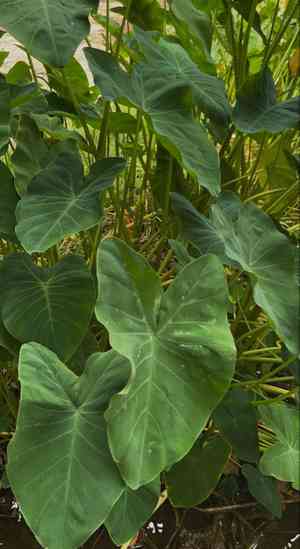
1
Arrowleaf elephant's ear flourishes optimally in somewhat acidic soil, within a pH spectrum of 5.5 to 6.5.
2
Adding organic materials such as compost can greatly improve soil richness and encourage robust development.
3
Consistent soil analysis is vital for preserving appropriate nutrient equilibrium and pH values for Arrowleaf elephant's ear.
Optimal Soil for Arrowleaf Elephant's Ear
Essential Soil Characteristics
For Arrowleaf elephant's ear to flourish, the soil must possess specific traits that foster robust root growth and nutrient absorption. The perfect soil should drain well yet retain enough moisture to keep roots damp. Compacted or waterlogged soil can lead to root decay and other problems. A loamy soil type, rich in organic matter, is ideal for this plant. This soil blend offers the correct balance of moisture retention and good drainage, crucial for preventing root ailments.
The Importance of Soil Quality for Arrowleaf Elephant's Ear
Soil quality is fundamental for the healthy development of Arrowleaf elephant's ear. Premium soil ensures the plant receives vital nutrients, encourages strong root systems, and maintains appropriate moisture levels. Substandard soil can result in stunted growth, nutrient shortages, and increased vulnerability to pests and diseases. Investing effort in securing optimal soil conditions will lead to lush and vibrant growth, making the plant a stunning centerpiece in your garden or home.
Key Components for Arrowleaf Elephant's Ear Soil Mix
Organic Matter: Boosting Soil Fertility
Organic matter is a cornerstone of fertile, healthy soil. Incorporating compost, leaf mold, or well-rotted manure improves the soil's texture and nutrient content. Organic materials enhance the soil's capacity to hold moisture while providing slow-release nutrients that benefit the plant over time. These materials also support beneficial microorganisms that contribute to a healthy root environment. Aim to blend about 20-30% organic material with existing soil to create an optimal growing medium for your Arrowleaf elephant's ear.
Inorganic Elements: Airflow and Water Flow
Inorganic components like perlite, sand, and coarse gravel are crucial for ensuring proper aeration and drainage in the soil mix. These materials help maintain a loose soil structure, preventing compaction and allowing roots to breathe. Perlite, for example, helps retain moisture without waterlogging the soil, while coarse sand improves drainage, ensuring that excess water does not accumulate around the plant's roots. A mix containing 10-20% inorganic materials will help create an optimal growing environment for the Arrowleaf elephant's ear.
Preparing Soil for Arrowleaf Elephant's Ear Planting
Soil pH Level: Significance and Assessment
Maintaining the correct pH level is vital for the Arrowleaf elephant's ear. This plant prefers slightly acidic soil with a pH range of 5.5 to 6.5. Acidic soils facilitate the availability of essential nutrients like iron and manganese while preventing nutrient lock-out. You can test your soil pH using a home test kit or by sending a sample to a local extension office. If the pH needs adjustment, sulfur can be added to lower it, while lime can be used to raise it.
Soil Amendment: Steps and Advice
Once you've assessed your soil's current state, amending it can optimize its suitability for Arrowleaf elephant's ear. Begin by aerating the soil to enhance its structure. Mix in organic materials such as compost or well-rotted manure to a depth of approximately 30 cm (12 inches). If necessary, add perlite or sand to improve drainage. Finally, adjust the soil pH to the desired range by incorporating sulfur or lime according to test results. Taking these preparatory steps ensures the soil is well-aerated, nutrient-rich, and properly balanced for optimal plant growth.
Sustaining Soil Health for Arrowleaf Elephant's Ear
Regular Soil Analysis
Consistent soil testing is essential to track the soil's nutrient levels and pH balance over time. By testing the soil annually, you can monitor changes and make informed decisions on necessary amendments. Home testing kits are widely available and easy to use, providing quick results. Regular soil tests will help ensure that your Arrowleaf elephant's ear continues to grow in optimal conditions, preventing nutrient deficiencies and pH imbalances that could hinder its development.
Fertilization: Types and Application Methods
Fertilizing is a crucial practice for maintaining soil fertility and supporting the vigorous growth of Arrowleaf elephant's ear. Organic fertilizers such as compost, fish emulsion, and bone meal are excellent choices as they enhance the soil's nutrient content over time. Slow-release fertilizers can also be beneficial, providing a steady supply of nutrients without the risk of over-fertilization. Apply fertilizer during the active growing season, typically in the spring and summer, and follow the recommended application rates to avoid any nutrient burn or buildup.
Common Soil Problems and Solutions for Arrowleaf Elephant's Ear
Poor Drainage: Causes and Remedies
Poor drainage is a common issue that can severely affect the health of Arrowleaf elephant's ear. Signs of poor drainage include yellowing leaves, wilting, and root rot. To improve drainage, ensure the soil is not too compacted and add inorganic materials like perlite or coarse sand. If planting in a pot, make sure it has sufficient drainage holes. Elevating garden beds or using raised planters can also help enhance drainage.
Nutrient Deficiencies: Identification and Correction
Nutrient deficiencies in Arrowleaf elephant's ear can manifest as stunted growth, yellowing leaves, or discoloration. Identifying specific deficiencies is key - for instance, yellowing between leaf veins often indicates iron deficiency. Depending on the deficiency, amending the soil with the appropriate nutrient-rich fertilizers can rectify the issue. Regularly incorporating well-balanced fertilizers and soil amendments like compost will help prevent deficiencies and maintain robust plant health.



