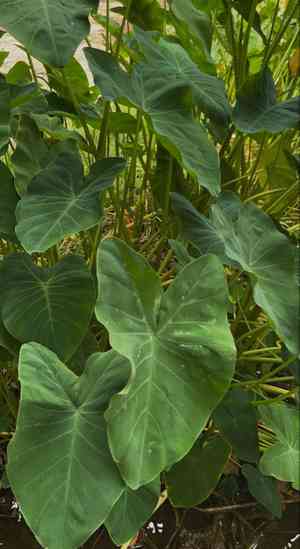
Arrowleaf elephant's ear (Xanthosoma sagittifolium)
Also known as: American taro, Purplestem tannia, Blue taro, Yellow yautia, Arrowleaf elephant ear, Green Arrow Elephant Ears, New Cocoyam, Barbados Nut Eddoe
Arrowleaf elephant's ear (*Xanthosoma sagittifolium*) is a herbaceous perennial that can grow from 3 to 3.5 m tall. It has large, blue-green, arrow-shaped leaves that resemble an elephant’s ear. The leaves can grow to 91 cm long, much larger than most elephant ear plants. It prefers partial to full shade.
Attributes of Arrowleaf elephant's ear
Images of Arrowleaf elephant's ear
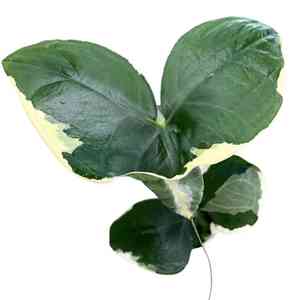
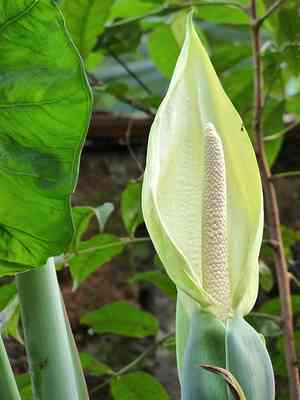
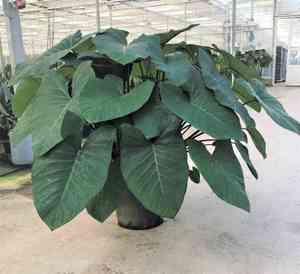

Quickly Identify Arrowleaf elephant's ear
Scientific Classification of Arrowleaf elephant's ear
Planting and Growing of Arrowleaf elephant's ear
 How to Water Arrowleaf elephant's ear?
 What Are the Sunlight Requirements for Arrowleaf elephant's ear?
 What Is the Ideal Temperature Range for Arrowleaf elephant's ear?
 What Soil is Best for Arrowleaf elephant's ear?
 How to Fertilize Arrowleaf elephant's ear?
 How to Prune Arrowleaf elephant's ear?
 How to Propagate Arrowleaf elephant's ear plant?
 How to Repot Arrowleaf elephant's ear plant?
Toxicity of Arrowleaf elephant's ear
Is Arrowleaf elephant's ear toxic to humans?
Every part of the arrowleaf elephant's ear is laden with calcium oxalate crystals, which can severely irritate sensitive tissues upon excessive contact, leading to skin rashes and disrupting the digestive system if ingested. The experience is akin to consuming sandpaper, as it damages the mouth, lips, digestive tract, and occasionally the sinuses, leading to painful swelling that can make swallowing or even breathing challenging. If consumed, symptoms such as nausea, vomiting, cramps, colic, and diarrhea will persist until the plant is fully expelled and the body can recuperate. It is crucial to keep this plant away from children and at-risk adults to avoid accidents.
Is Arrowleaf elephant's ear toxic to cat?
Arrowleaf elephant's ear poses a significant risk to feline companions. Should a cat inadvertently ingest any portion of this plant, it may face the danger of poisoning. The toxicity permeates the entire plant, and consuming it can result in a range of illness symptoms in cats. If a cat shows any signs of distress, it is vital to obtain veterinary assistance without delay. Receiving treatment at a veterinary clinic is imperative for the recovery and health of a cat exposed to toxins, and swift action can greatly influence the effectiveness of the care provided.
Is Arrowleaf elephant's ear toxic to dog?
The Arrowleaf elephant's ear plant is known to be toxic to canines. Should a dog consume any portion of the plant, as all parts are harmful, it may result in toxicity. Dogs might inadvertently nibble on arrowleaf elephant's ear out of curiosity or if they are able to reach the area where the plant is situated. Poisoning symptoms in dogs can manifest as vomiting, diarrhea, excessive drooling, irritation in the mouth, and challenges in swallowing. It is vital for dog owners to remain alert and take precautions to prevent their pets from accessing arrowleaf elephant's ear. If a dog does consume any part of this plant, it is crucial to obtain immediate veterinary assistance to ensure effective treatment and symptom management.



