How to Prune Arrowleaf elephant's ear?
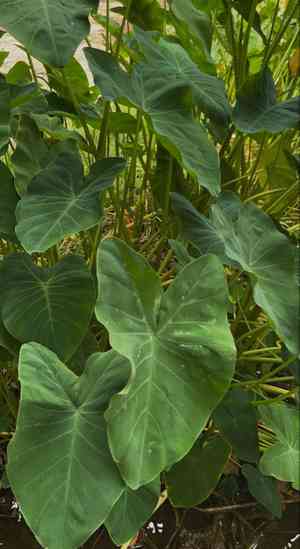
Celebrated for its expansive, arrowhead-shaped foliage, arrowleaf elephant's ear flourishes in warm, humid garden environments. Trim away discolored or injured leaves, and shorten any elongated stalks to encourage a denser plant structure. The optimal time for trimming extends from the beginning of spring to the end of autumn, aligning with arrowleaf elephant's ear's period of vigorous development. Strategic pruning boosts the plant's health and visual attractiveness, simultaneously warding off infestations and ailments. Always employ sanitized, keen implements to avert contamination.
What Are the Benefits of Pruning Arrowleaf Elephant's Ear?
What Are the Benefits of Pruning Arrowleaf Elephant's Ear?
Trimming arrowleaf elephant's ear promotes robust development and helps maintain its desired form. Consistently removing old or overgrown foliage encourages healthier, more resilient growth. This practice is vital for arrowleaf elephant's ear to flourish and appear its best.
What Is the Best Time for Pruning Arrowleaf Elephant's Ear?
What Is the Best Time for Pruning Arrowleaf Elephant's Ear?
Pruning arrowleaf elephant's ear in early spring allows for the removal of any winter damage before the plant begins its active growth phase, fostering healthier development and a stronger structure. Trimming in late autumn is advantageous as it prepares the plant for dormancy by removing dead or dying foliage, which can help prevent disease and pest issues during colder months. These periods ensure minimal stress to arrowleaf elephant's ear and optimize conditions for its recovery and revitalization.
What Tools Do I Need to Prune Arrowleaf Elephant's Ear?
Bypass Pruners
These are perfect for making clean cuts on arrowleaf elephant's ear's thinner stems, essential for removing dead or yellowing leaves.
Sharp Scissors
Useful for trimming smaller, more delicate areas of arrowleaf elephant's ear without causing unnecessary harm to the plant.
Gardening Gloves
Protect the gardenerâs hands from the sap of arrowleaf elephant's ear, which can cause skin irritation.
Long-Handled Loppers
Suitable for reaching into the dense foliage of arrowleaf elephant's ear to prune thicker stems that bypass pruners cannot manage.
Cleaning Alcohol
For sanitizing tools before and after use to prevent the spread of diseases in arrowleaf elephant's ear.
Waste Bin
To collect and remove clippings and dead leaves from arrowleaf elephant's ear for a tidy workspace.
How to Prune Arrowleaf Elephant's Ear
Step1: Identify Aged or Damaged Plant Parts
Assess arrowleaf elephant's ear for pruning by identifying yellow leaves, which signal aging or disease, and withered stems, which may have completed their lifecycle or sustained damage.
Step2: Sterilize Pruning Equipment
Disinfect your pruning tools with rubbing alcohol or a 10% bleach solution to prevent the spread of disease to arrowleaf elephant's ear.
Step3: Locate Base of Yellow Leaves
Begin with the yellow leaves. Carefully find the base of the yellowing leaf where it connects to the main stem or the soil.
Step4: Prune Yellow Leaves with Angled Cut
Using sharp, clean pruning shears, make a precise cut at the base of the yellow leaf. Ensure the cut is angled away from the main stem to prevent water accumulation that could lead to rot or fungal infections.
Step5: Identify and Remove Withered Stems
Proceed to the withered stems. If they are completely dry and brown, they are safe to remove. Identify the point where the withered stem meets healthy tissue or the soil level.
Step6: Saw Large Stems, Avoid Crushing
Cut the withered stem cleanly at the base without harming any nearby healthy stems. If the stem is large, use a sawing motion with a sharp blade to avoid crushing the plant tissues.
Step7: Clean Pruning Debris
After pruning, clear the area around arrowleaf elephant's ear to remove all debris, which minimizes the risk of pests and diseases.
Step8: Compost or Dispose of Plant Waste
Dispose of the removed plant material properly, ideally by composting unless the material shows signs of disease or infestation, which should be discarded far from garden areas.
Step9: Water Plant After Pruning
Water arrowleaf elephant's ear appropriately after pruning, as per its usual watering requirements, being careful not to overwater. This reduces stress and allows the plant to recover more quickly.
Step10: Monitor Plant for Recovery and Growth
Monitor arrowleaf elephant's ear post-pruning for signs of new growth. Ensure that it is receiving adequate light and nutrition to promote healthy development.
Post-Pruning Care for Arrowleaf Elephant's Ear
Post-Pruning Care for Arrowleaf Elephant's Ear
Immediately after pruning arrowleaf elephant's ear, clean cuts should be allowed to dry to prevent infection. Place arrowleaf elephant's ear in bright, indirect light and maintain high humidity without wetting the foliage. Keep the temperature between 65-75°F. Resume fertilization with a balanced, water-soluble fertilizer after one week to encourage growth. Regularly inspect pruned areas for discoloration or rot, indicating stress or infection. If signs appear, reduce watering and remove any affected parts.
Common Pruning Mistakes with Arrowleaf Elephant's Ear
Over-Pruning and Disregarding Growth Patterns
Pruning too aggressively, which could stress arrowleaf elephant's ear and reduce its vigor. It's essential to understand that arrowleaf elephant's ear has a natural growth pattern that doesn't require heavy cutting back.
Using Dull or Unclean Tools
Using dull or unclean pruning tools, which can damage the stems of arrowleaf elephant's ear and introduce diseases. It's important to use sharp, clean shears to make clean cuts.
Excessive Removal of Healthy Plant Parts
Failure to remove only the necessary parts, leading to cutting away healthy foliage and stems needlessly. Focus should be on removing only damaged or diseased leaves to maintain the plantâs health.
Neglecting Diseased or Infested Areas
Ignoring diseased or infested parts of the plant during pruning, which can lead to further spreading of the issue. Identifying and removing affected areas promptly is crucial.
Damaging Main Stems or Trunks
Cutting into the main stem or trunk, which can cause severe damage to arrowleaf elephant's ear. When pruning, it is important to cut just above the leaf nodes and avoid the main structures of the plant.
Common Pruning Tips for Arrowleaf Elephant's Ear
Inspect and Target Specific Problem Areas
Regularly inspect arrowleaf elephant's ear for yellowing or damaged leaves and stems for targeted pruning, which helps maintain the aesthetic appeal and health of the plant.
Prune Above Leaf Nodes for New Growth
Make sure to prune just above a leaf node or a main branching point to encourage new growth without stunting the plant.
Remove Dead Flowers Post-Bloom
After flowering, prune spent flower stalks at their base to direct the plantâs energy towards foliage production and overall health.
Sterilize Shears for Clean Cuts
Use clean, sterilized pruning shears to make precise cuts. Sterilize the tools before use by wiping them with alcohol to prevent the spread of pathogens.
Gradual Removal to Avoid Shocking Plant
When removing large sections, do so gradually over time rather than all at once to avoid shocking arrowleaf elephant's ear and to monitor its response to the pruning.



