How Often Should You Water Your California palm?
1
Provide water to your California palm weekly for best development.
2
Thorough irrigation guarantees the roots get sufficient hydration.
3
Employing a humidity sensor can aid in avoiding excessive watering.
Understanding the Hydration Needs of California Fan Palm
The Influence of Natural Environment on Water Requirements
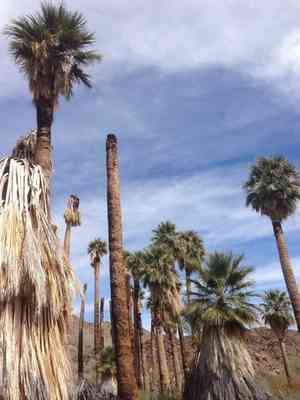
The California fan palm, indigenous to the arid regions of southwestern North America, has evolved to flourish in dry, desert-like conditions. Its native habitat receives minimal precipitation, leading to the development of drought tolerance mechanisms. However, when grown in home gardens or landscapes, its water demands may vary. Understanding this helps tailor your irrigation schedule to mimic its natural environment while supporting its growth in less arid settings.
Seasonal Changes in Irrigation
The California fan palm's watering needs fluctuate with the seasons. During hot summer months, when temperatures are high and evaporation rates are elevated, the palm will require more frequent irrigation. Conversely, in cooler, dormant winter periods, its water consumption decreases. Being aware of these seasonal shifts ensures your palm receives the appropriate amount of water throughout the year.
Effective Watering Strategies for California Fan Palm
Scheduling: When and How Often to Water?
A consistent watering regimen is vital for the health of your California fan palm. Generally, irrigating once per week is optimal. This frequency ensures the palm receives steady moisture without becoming waterlogged. Always check the soil first to confirm it's dry to the touch before re-watering.
Deep Soaking Method
Deep soaking is an effective technique to ensure your California fan palm's roots receive sufficient moisture. This method involves slow, thorough watering, allowing water to penetrate the soil and reach the root zone, typically at least 30 cm (12 inches) deep. This promotes a strong root system and reduces the need for frequent surface watering.
Preventing Excessive Watering and Water Stress
Overwatering can be harmful to your California fan palm, leading to root rot and other issues. It's crucial to balance the amount and frequency of watering to prevent water stress. Signs of overwatering include yellowing fronds and a soft trunk. A simple solution is to use a moisture meter to assess soil moisture levels before irrigating.
Mulching and Soil Considerations
Selecting the Appropriate Soil for Optimal Moisture Retention
The soil in which your California fan palm is planted significantly impacts its water retention. Well-draining soil is essential to prevent water from accumulating around the roots. A blend of sandy and loamy soil is ideal, facilitating adequate drainage while retaining enough moisture to keep the palm hydrated.
Advantages of Mulching Around California Fan Palm
Mulching can greatly enhance moisture retention for your California fan palm. Applying a layer of mulch around the palm's base helps conserve soil moisture, reduce water evaporation, and regulate soil temperature. Organic mulch, such as wood chips or straw, gradually decomposes, enriching the soil with nutrients as an added benefit.
Tools and Accessories for Efficient Irrigation
Utilizing Drip Irrigation Systems
Drip irrigation systems are excellent for efficiently watering California fan palm. These systems deliver water directly to the plant's root zone, minimizing water waste and ensuring precise hydration. By employing a drip system, you can provide a consistent water supply to your palm, especially during dry periods.
Recommendations for Moisture Meters and Sensors
To avoid the pitfalls of over or under-watering, moisture meters and sensors can be invaluable. These tools measure the soil's moisture levels, providing you with accurate data to make informed watering decisions. Using a moisture meter can help you maintain the ideal balance of soil moisture for your California fan palm.



