California palm (Washingtonia filifera)
Also known as: California fan palm
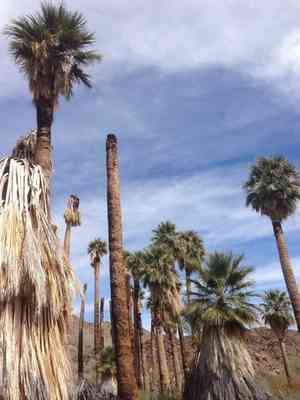
The California Fan Palm (Washingtonia filifera) is the sole native palm species in North America. It features green, fan-shaped leaves at the top, with older, dead leaves draping down the trunk like a skirt.
In This Article
Attributes of California palm
Lifespan
Perennial
Plant Type
Palm
Plant Height
11 m to 22 m
Spread
6 m
Leaf Color
Green Gray Silver
Flower Size
2.5 cm
Flower Color
White Yellow Cream Brown
Images of California palm
Quickly Identify California palm
1
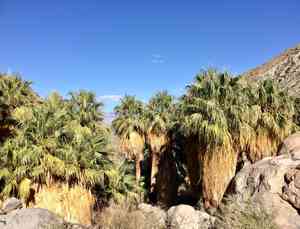
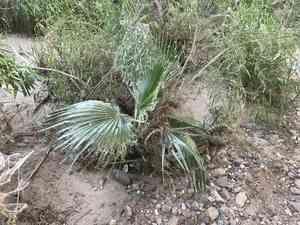
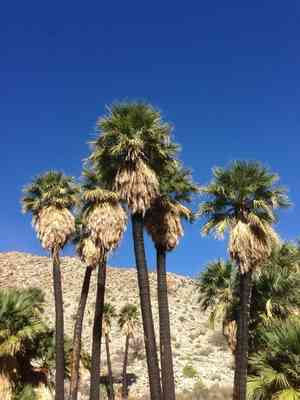
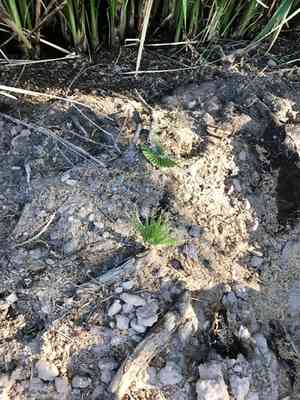
Washingtonia filifera can be identified by its large, fan-shaped leaves, thick and rough trunk with a skirt of dead leaves, and its height that can reach up to 20 meters. The leaves are gray-green in color.
Scientific Classification of California palm
Phylum
Vascular plants
Class
Monocotyledons
Order
Arecales
Family
Palm
Genus
Washingtonia
Species
California palm
Planting and Growing of California palm
Care Difficulty
Easy
Watering Schedule
Every 2 days
Sunlight Requirements
Full sun
Sunshine Duration
6-10 hours
Ideal Temperature
70-85℉
Soil Type
Potting Mix, Peat Mix
Soil pH
6.5-7.5
Fertilizer Type
Balanced
Pruning Season
Spring, Summer
Pruning Area
Branches, Leaves
Pruning Frequency
2 times a year
Repotting Season
Spring
Pot Type
Plastic, Terracotta
 How to Water California palm?
For Washingtonia filifera, the watering should be generous but not excessive. Aim for about 500 milliliters per session, ensuring that the water reaches the roots without pooling on the soil surface, as overwatering can lead to root rot.
More About Watering Techniques→
What are the symptoms of an underwatered California palm?
›
What should I do if my California palm is not getting enough water?
›
What are the symptoms of an overwatered California palm?
›
How to save an overwatered California palm?
›
 What Are the Sunlight Requirements for California palm?
Washingtonia filifera thrives in full sun conditions where it can benefit from extended periods of direct light, crucial for robust growth and lush foliage development.
More About Sunlight Requirements Techniques→
What is the best way to achieve ideal lighting?
›
What are the specific steps to provide this ideal lighting?
›
What benefits will the plant gain from ideal lighting?
›
 What Is the Ideal Temperature Range for California palm?
Washingtonia filifera thrives in temperatures ranging from 70°F to 85°F. This range ensures healthy growth and maximizes photosynthesis efficiency, promoting lush foliage and robust plant development.
 What Soil is Best for California palm?
Washingtonia filifera thrives in well-drained soil, which prevents root rot and ensures that the roots receive adequate oxygen and nutrients. This kind of soil facilitates water movement, keeping the plant hydrated without becoming waterlogged. While being tolerant of poorer soils, nutrient-rich loamy soil can promote healthier growth and more robust fronds. It supplies essential macro and micronutrients necessary for the palm's optimal development. Although Washingtonia filifera can tolerate slightly acidic to neutral pH levels, it prefers a slightly alkaline environment. This promotes better nutrient availability, particularly calcium and magnesium, which are essential for its growth.
More About Soil→
 How to Fertilize California palm?
For Washingtonia filifera, use a balanced liquid fertilizer diluted to half strength. Apply approximately 500ml of this solution per plant monthly, ensuring even distribution and avoiding the plant's trunk. A slow-release fertilizer can supplement this during the growing season by spreading around the base according to package instructions.
More About Fertilizing Techniques→
 How to Prune California palm?
Start by identifying the brown and dead fronds, which are usually towards the bottom of the tree. These fronds are no longer beneficial and consume the plant's resources. Aim to keep a symmetrical look while pruning. Cut close to the trunk to remove the dead fronds, but avoid cutting too close as it can damage the trunk. Always cut at an angle to allow water runoff, which reduces the risk of decay and disease. Immediately remove and dispose of the cut fronds as they can harbor pests. Do not leave them around the base of the tree. Composting the material is beneficial if you want to recycle plant waste into nutrient-rich compost.
More About Pruning Techniques→
 How to Propagate California palm plant?
1
Soak the seeds of Washingtonia filifera in warm water for 24 hours before planting. This softens the seed coat and can significantly enhance germination rates. Discard any seeds that float as they are likely non-viable.
2
Fill a seed tray with the potting mix and plant each seed about 1 inch deep. Space them adequately to allow proper air circulation. Maintain consistent moisture in the soil but avoid overwatering, which can lead to rot.
3
Place the seed tray in a warm area with indirect sunlight. Aim for a temperature around 70-85°F (21-29°C). It can take several weeks to months for seeds to germinate, so patience and proper conditions are essential.
 How to Repot California palm plant?
1
Look for signs such as roots growing out through drainage holes or slower growth. These indicate that the plant has outgrown its current pot and needs more room to thrive.
2
Select a pot with drainage holes and a slightly larger diameter than the current one. A well-sized pot ensures room for root expansion and prevents overwatering problems.
3
Opt for a well-draining mix, possibly amended with sand or perlite, to ensure water retention is balanced with drainage, preventing root rot and promoting healthy growth.



