How Much Sunlight Do California palm Need?
1
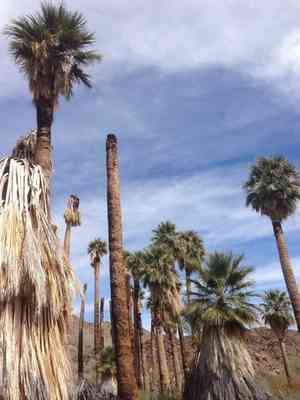
California palms flourish optimally with ample sunlight, needing more than six hours of direct sun daily.
2
Although full sun is preferred, California palms can endure some shaded conditions if required.
3
In colder seasons, California palms might need less direct sun than during the peak summer period.
Ideal Light Conditions for California Palm
Full Sun Requirements
The California palm thrives in environments with ample sunlight. Ideally, this plant should receive more than 6 hours of direct sun daily. This promotes vigorous growth and the development of healthy fronds. Full sun exposure helps the California palm flourish, enhancing its ability to produce vibrant, green leaves that contribute to its distinctive appearance.
Partial Shade Tolerance
Although the California palm is a sun-loving plant, it possesses a resilient nature that allows it to withstand partial shade. If full sun isn't possible, placing the palm in an area receiving at least 4 to 6 hours of filtered sunlight can still support healthy growth. However, growth may be slower, and fronds might not be as vivid as those in full sun.
Impact of Seasonal Changes on California Palm's Light Needs
Summer Sunlight Intensity
During summer, sunlight is more intense and abundant, offering the California palm ample opportunity to absorb the rays it prefers. In these months, ensure your palm is situated where it can receive uninterrupted sunlight throughout the day. If grown outdoors, confirm its placement prevents scorching from midday sun, especially in extremely hot climates.
Winter Sunlight Adjustments
As seasons shift, sunlight intensity and duration decrease, particularly in winter. During these colder months, the California palm can tolerate reduced sunlight but still requires as much light as possible to maintain its health. If you bring your palm indoors for winter, place it near south-facing windows to maximize light exposure. Supplemental lighting, such as grow lights, can be beneficial to mimic the natural sunlight the palm receives in summer.
Indicators of Excessive or Insufficient Sunlight for California Palm
Symptoms of Overexposure
Overexposure to intense sunlight can manifest through several symptoms in the California palm. Look for yellow or brown fronds, which indicate sunburn. In severe cases, the palm may show scorched leaf tips and edges, signaling too much direct sunlight. Moving the palm to a slightly shaded spot or providing afternoon shade can prevent further damage.
Symptoms of Underexposure
Insufficient sunlight can also be detrimental to the California palm's health. Symptoms of underexposure include leggy growth, where the palm stretches toward light sources, and pale fronds, indicating a lack of photosynthesis. If you observe these signs, it's crucial to gradually increase light exposure to avoid shocking the plant. Relocating it to a brighter area or adding supplemental grow lights can be very helpful.
Ensuring Adequate Sunlight for Indoor California Palm
Window Placement
For indoor California palm enthusiasts, placement is critical. Position your palm near south or west-facing windows where it can receive significant sunlight throughout the day. If natural light is scarce, consider using sheer curtains to diffuse the light, providing balanced exposure without the risk of sunburn.
Utilizing Grow Lights
When natural sunlight is inadequate, especially during winter or in poorly lit rooms, grow lights can be essential for your California palm. Choose full-spectrum LED grow lights, which closely mimic natural sunlight, ensuring your palm gets the necessary light for photosynthesis and overall well-being. Position the grow lights approximately 30-60 cm (12-24 inches) above the palm and aim for about 12-14 hours of light daily.



