How to Prune California palm?
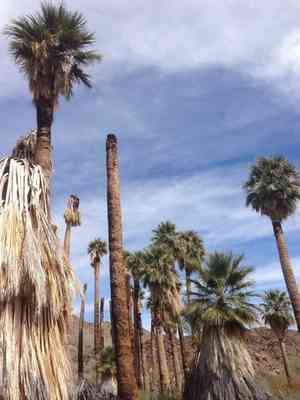
Flourishing in dry environments, california palm exhibits elevated stems and palmate leaves. Trimming entails excising withered or injured fronds and faded bloom stalks to preserve its look and well-being. The most suitable times for pruning are early spring or late winter, during its inactive phase, to prevent strain. For this particular variety, the skirt of aged fronds can be retained for inherent insulation or as a wildlife sanctuary, or it can be taken off for visual appeal. Advantages of pruning encompass diminished wind resistance and a reduction in pest dwelling areas.
Advantages of Trimming California Palm
Advantages of Trimming California Palm
Trimming california palm promotes robust development and preserves its desired visual appeal, decreasing the likelihood of pest infestations and illnesses by eliminating dead or crowded fronds.
Optimal Period for Trimming California Palm
Optimal Period for Trimming California Palm
During late winter and early spring, california palm enters a phase of active growth, making it the ideal time for pruning. Pruning in late winter allows for the removal of any frond damage from cold before new growth starts, minimizing plant stress. Early spring pruning capitalizes on the plant's growth surge, ensuring faster recovery and a more vigorous flush of new fronds. Additionally, pruning during these seasons helps prevent disease transmission, as many pathogens are less active in cooler temperatures. By avoiding pruning during peak summer or the active flowering period, california palm's health and aesthetics are maintained, and the risk of sunburn to newly exposed tissue is reduced.
Required Tools for Pruning California Palm
Pole Saw
For reaching higher fronds of california palm, a pole saw enables access to elevated branches without needing a ladder. The saw can be manual or powered, based on the gardener's preference and convenience needs.
Pruning Saw
A sharp, curved-handled pruning saw is perfect for cutting through thicker fronds of california palm closer to the ground. The curve assists in reaching tight spots while providing the necessary leverage for clean cuts.
Long-handled Loppers
These are effective for cutting fronds and flower stalks at medium heights. The extended handles offer leverage and help maintain a safe distance from california palm's sharp leaves.
Chainsaw
For mature california palm with very thick trunks or for complete tree removal if necessary, a chainsaw might be required. It should be operated by an experienced and properly equipped individual, as it can be quite hazardous.
Safety Gear
Gloves, goggles, and a hard hat are crucial for protecting the gardener from sharp frond edges and falling debris while pruning california palm.
Pruning Sealer
After trimming or removing large fronds or branches of california palm, it's recommended to use a pruning sealer to protect the wounds from pests and diseases.
How to Prune California Palm
Step1: Gather Pruning Tools
Collect the necessary equipment for the pruning task, which should include sharp pruning shears or a saw for thicker fronds, gloves for hand protection, and safety goggles to shield your eyes from debris.
Step2: Inspect for Damaged Fronds
Carefully examine california palm to identify fronds that are dead, diseased, or broken. These will often appear discolored, wilted, or visibly harmed.
Step3: Time Pruning with Plant Growth Cycle
Schedule the pruning to minimize stress on california palm. The optimal time to prune is typically in late spring or early summer, aligning with the plant's growth cycle.
Step4: Ensure Safe Position for Pruning
Position yourself securely on a stable ladder if needed, ensuring firm footing before beginning to prune the taller california palm.
Step5: Remove Dead Fronds First
Begin by removing dead fronds, which usually hang below the horizontal line of the canopy. Cut them as close to the trunk as possible, being careful not to harm the trunk.
Step6: Prune Diseased Fronds
Next, prune any diseased fronds. Cut these back to healthy tissue, ensuring all affected material is removed to prevent further infection.
Step7: Trim Broken Fronds Cleanly
Carefully remove broken fronds, following the same procedure as for dead ones, ensuring clean cuts that do not rip or tear california palm's tissue.
Step8: Dispose of Pruned Material
Properly dispose of the pruned material, as it can harbor pests or diseases if left near california palm.
Step9: Sanitize Pruning Tools
Sanitize your pruning tools after finishing the trimming to prevent the spread of diseases to other plants or during future pruning sessions.
Step10: Water Plant After Pruning
Water california palm sufficiently after pruning to aid recovery, especially if the climate is dry, as adequate water can help reduce plant stress.
Post-Pruning Care for California Palm
Post-Pruning Care for California Palm
Immediately after pruning california palm, water thoroughly to aid healing. Provide balanced sunlight exposure; ensure california palm is not exposed to prolonged direct sun during recovery. Maintain ambient humidity and protect from temperature extremes. Apply a slow-release fertilizer rich in potassium and magnesium to encourage vigorous growth. Closely monitor california palm for wilting, discoloration, or oozing sap as signs of stress or infection. If symptoms persist, consult a plant pathologist for appropriate treatments to prevent further damage.
Common Pruning Errors with California Palm
Excessive Pruning Depletes Nutrients
Over-pruning, which can stress california palm and potentially lead to poor health and growth. Removing too many fronds, especially green ones, can deprive california palm of essential nutrients and energy.
Incorrect Frond Cutting Damages Trunk
Pruning fronds improperly by cutting them too close to the trunk, which can damage the trunk and create wounds susceptible to pests and diseases.
Removal of Natural Dead Frond Skirt
Ignoring the natural skirt of dead fronds. The skirt can provide a natural habitat for wildlife but is often removed for aesthetic reasons without considering biological impacts.
Failure to Sterilize Pruning Tools
Not sterilizing pruning tools before use, which can spread disease from one plant to another if the tools were previously used on an infected one.
Neglecting Personal Safety Measures
Disregarding proper safety precautions, such as wearing gloves and eye protection, can result in injuries from the sharp spines on california palm's petioles.
General Pruning Advice for California Palm
Use Sharp, Clean Tools for Palm Trees
Utilize sharp and clean pruning tools specifically designed for palm trees to ensure smooth cuts and minimize infection risk.
Prune Dead or Dying Fronds Only
Target only the dead or dying fronds when pruning california palm. Retaining as many green fronds as possible is vital for maintaining the plant's health and energy production.
Avoid Cutting Fronds Close to Trunk
Cut fronds at least 2-3 inches away from the trunk to prevent damaging the trunk's surface, as this can be an entry point for diseases and pests.
Consider california palm's Canopy Shape Before Pruning
Before pruning, assess the canopy shape of california palm to understand its natural growth pattern, which will help maintain an attractive and healthy shape post-pruning.
Protect Emerging Spear When Pruning
While removing dead fronds, carefully avoid damaging the emerging spear, the newest frond growing from the center, as this is crucial for california palm's continued growth and vitality.
Proper Disposal of Removed Fronds
Always dispose of removed fronds correctly to prevent the spread of pests and diseases that might be lingering on the dead plant material.
Fertilize after Pruning With Caution
After pruning, consider applying a balanced slow-release palm fertilizer to provide california palm with the nutrients needed for healthy growth, but avoid over-fertilization.



