How to Propagate California palm?
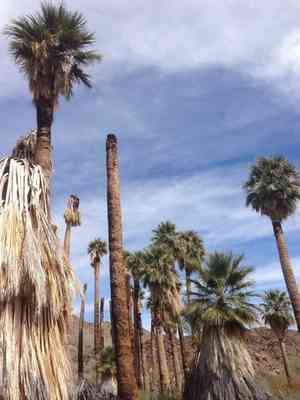
For California palm, the favored propagation technique involves planting seeds in the springtime. This method presents a moderate level of difficulty. Indicators of success are robust root and stem formation. To achieve the best outcomes, guarantee a growing medium with good drainage and steady hydration.
Optimal Time for California Palm Propagation
Propagation Method
Seeding
Propagation Period
Spring
Essential Tools for California Palm Propagation
Seed trays
Seed trays are crucial for germinating california palm's seeds. They facilitate an organized propagation setup where seeds are uniformly spaced for optimal development. Transparent covers can be utilized to maintain humidity and warmth, which are vital for germination.
Perlite or vermiculite
Adding perlite or vermiculite to the soil mix ensures proper drainage and aeration. California palm seeds can decay if waterlogged; therefore, these additives prevent water retention and aid root formation by creating a more favorable soil structure.
Heating mat
A heating mat provides warmth from below, significantly enhancing the germination rate for california palm. This tool promotes faster sprouting by maintaining a consistent warm temperature, mimicking the california palm's natural warm habitat conditions.
Misting bottle
A misting bottle is essential to ensure the soil surface remains uniformly moist without becoming waterlogged. It allows for gentle watering that does not disturb the placement of california palm's seeds or harm delicate new seedlings.
Gloves
Gloves protect hands when handling california palm, as its leaves can be tough and fibrous. This ensures safe handling of the plant when transplanting seedlings or managing mature plants.
Pruners
Pruners are used to remove any damaged or diseased fronds on california palm during propagation. Clean cuts prevent damage and disease transmission, encouraging healthy growth from the start.
Liquid fertilizer
Once california palm seedlings are established, a balanced liquid fertilizer promotes healthy foliage and root development. This tool provides the essential nutrients required for the growth of young plants in their early stages.
Steps to Propagate California Palm
Propagation Method
Seeding
Difficulty Level
Simple
Caring for Your Newly Propagated California Palm
Caring for Your Newly Propagated California Palm
Post-propagation care involves ensuring that young california palm plants are kept in a warm environment with ample light, but shielded from intense midday sun. Water them when the top inch of soil is dry, avoiding overwatering which could lead to root rot. As california palm is adapted to warmer climates, protect them from cold temperatures. Fertilize with a palm-specific fertilizer according to the product's instructions. Gradually increasing the plant's exposure to outdoor temperatures and sun will help it acclimate and eventually thrive outdoors. Regular monitoring for pests and diseases is crucial for the young plant's health and vigor.
Common Errors to Avoid When Propagating California Palm
Insufficient root removal
Propagating california palm using suckers without adequately removing roots from the parent plant can lead to underdeveloped root systems and poor establishment of the new plant.
Overwatering
Excessive watering can cause rot in the base or roots of california palm, leading to fungal infections and reducing the likelihood of successful propagation.
Ignoring crown rot
Disregarding initial signs of crown rot in california palm may result in the spread of the infection, which is often fatal and can severely impact propagation efforts.
Incorrect soil mix
Using an unsuitable soil mix that does not drain well can cause water to accumulate around the roots of california palm, which is detrimental to root development.
Planting depth
Planting california palm's pups or offsets too deeply can cause the buried parts to rot, hindering growth and propagation.
Advice for Propagating California Palm
Correct sucker removal
When removing suckers for propagation, ensure you take a substantial amount of root material with each sucker to establish california palm successfully.
Adequate drainage
Ensure the planting medium for california palm is well-draining to prevent root and crown rot, which is essential for healthy root growth.
Monitor moisture levels
Carefully monitor and regulate the water provided to california palm, as overwatering can cause rot. Allow the soil to dry out slightly between waterings.
Soil fertility
Use a fertile, sandy soil mix with organic content to promote rooting in california palm, as this mixture closely mimics the plant's natural growth conditions.
Venting
If california palm is placed under a covering for protection, provide proper ventilation to prevent excess humidity, which can lead to fungal infections.



