How to Transplant California palm?
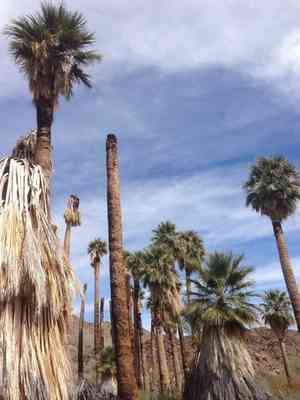
The optimal period for relocating california palm is from mid-spring to early summer, as these warmer months facilitate robust development and reduce shock. For transplantation, select a bright spot with soil that drains effectively, and ensure consistent watering during the initial weeks to guarantee successful establishment.
Preparations Required Before Relocating California Palm
Optimal Period for Relocating California Palm
For california palm, the best time to move it is from the warmth of late spring to the start of early summer. This period offers mild temperatures and increased rainfall, crucial for root establishment and development. Transplanting during this timeframe facilitates the adaptation process for california palm, promoting its healthy growth. This recommendation is not only gentle on your cherished california palm but also enhances its chances of flourishing in your garden.
Recommended Spacing Between California Palm Plants
When transplanting california palm, a good guideline is to position them approximately 6-8 feet (1.8-2.4 meters) apart. This ensures ample room for the plants to grow and expand their root systems.
Ideal Soil Blend for California Palm Relocation
Prepare your soil by combining well-draining, sandy loam with a foundational fertilizer rich in phosphorus and potassium. This will supply california palm with the essential nutrients needed to establish a robust and healthy root system.
Selecting a New Location for Your California Palm
Choose a spot for california palm that receives full sun to partial shade. Aim for at least 6 hours of direct sunlight daily. This will guarantee the best growth and performance for your plant.
Equipment Needed Before Transplanting California Palm
Gardening Gloves
To safeguard your hands when handling soil and plants.
Trowel
This small hand tool is perfect for excavating holes in the garden.
Pruning Shears
A quality pair of shears will enable clean cuts when trimming roots.
Bucket or Wheelbarrow
This will be used to move the california palm from its original spot to the new one.
Watering Can or Hose
You will need to hydrate the california palm immediately after relocation.
Method for Extracting California Palm from the Soil
Method for Extracting California Palm from the Soil
From Ground: Ensure the california palm is thoroughly watered the day before you plan to move it; this can simplify the digging process. Then, using a trowel or shovel, dig around the entire root ball, aiming to retrieve as much of it as possible. Leverage the tool beneath the root ball and gently lift the plant.From Pot: If the california palm is in a pot, watering before removal can reduce plant stress. Turn the pot on its side, gently tap to encourage the root ball to slide out. If the plant is root-bound, you might need to squeeze or break the pot, being careful not to harm the roots.From Seedling Tray: If it's a seedling in a tray, ensure the soil is moist. Carefully lift the california palm by its leaves, not the stem, using a spoon if necessary, and dislodge the seedling, taking care not to damage the roots.
Detailed Steps for Transplanting California Palm
Digging
Excavate a hole in the new location large enough to accommodate the root ball of the california palm. The hole should be as deep as the root ball and twice its width.
Placing the plant
Position the california palm in the center of the hole, spreading its roots, ensuring it stands upright. The top of the root ball should be level with the soil surface.
Backfill the hole
Fill the space around the root ball with the excavated soil, compacting it gently but firmly to eliminate air pockets.
Watering
Once the california palm is planted, water it generously using a watering can or hose. This helps settle the soil around the root ball.
Mulching
After watering, apply a layer of mulch around the base. However, keep the mulch away from the stem to prevent diseases.
Post-Transplant Care for California Palm
Watering
For the initial weeks after transplanting, water the california palm deeply to ensure the soil around the roots remains consistently moist, but remember that overwatering can lead to root rot. Adjust the watering schedule based on weather conditions.
Pruning
Prune dead or yellowing leaves once the plant is well-established to encourage new growth, but avoid excessive pruning.
Regular Monitoring
Regularly inspect the california palm for any indications of stress, such as wilting or discoloration. If you observe any of these signs, try adjusting the water, and if the issue persists, consult a local nursery specialist.
Resolving Common Issues with California Palm Transplantation.
What is the optimal time of year to transplant california palm?
To ensure a successful transplant, plant california palm from mid-spring to early summer. This is when the plant's growth is most vigorous.
What is the ideal spacing between each california palm during transplanting?
To provide your california palm ample room to grow, allow 6-8 feet (1.8 - 2.4 meters) between each plant during transplanting.
How deep should I plant california palm when transplanting?
Plant california palm at the same depth it was in its original container. This will ensure the root ball is adequately covered.
Should I water california palm immediately after transplanting?
Yes, thoroughly watering your california palm after transplanting helps settle the soil and reduces transplant shock.
What type of soil is best for transplanting california palm?
California palm prefer well-drained, sandy soil. A mixture of topsoil and compost can often provide the correct texture and nutrients.
Can california palm be transplanted when they are mature, or should I only transplant young plants?
Both young and mature california palm can be transplanted. However, young plants typically adapt to the new area more quickly than mature ones.
Should I prune california palm before transplanting?
Pruning is not necessary before transplanting, though you can remove any dead or damaged leaves to help your california palm focus its energy on root development.
How can I ensure successful transplantation of california palm?
Following a comprehensive step-by-step plan is essential. This includes selecting the right time, providing adequate space, and ensuring the correct soil and watering regimen.
If frost is expected, should I postpone transplanting california palm?
Absolutely, frost can harm california palm. It is highly recommended to complete transplanting before frost begins in your region.
Are there specific signs of california palm that might indicate transplant shock?
Yes, signs such as wilting, discoloration, or slowed growth may indicate transplant shock. Proper watering and care can often help your california palm recover.



