How Often Should You Water Your White-panicle aster?
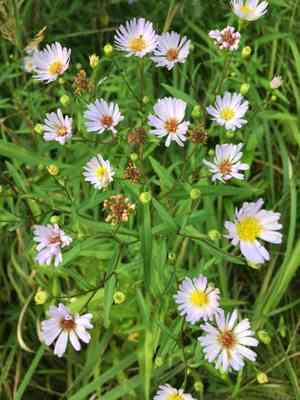
1
White-panicle aster generally requires weekly irrigation, though this can fluctuate with environmental conditions.
2
Assess soil dampness by probing 2-3 centimeters (approximately 1 inch) into the soil before watering to confirm the plant's need.
3
Applying a layer of mulch around your White-panicle aster can aid in preserving soil moisture and decreasing how often you need to water.
Grasping the Hydration Requirements of White-panicle aster
The Significance of Adequate Moisture
Water is vital for all flora, and White-panicle aster is no exception. Proper hydration is critical for the plant's development, bloom production, and overall vitality. Water facilitates nutrient transport from the soil to plant tissues, supports cellular integrity, and aids temperature regulation via transpiration. Consistent irrigation ensures your White-panicle aster stays vibrant and healthy, displaying its lovely white blossoms throughout the growing period.
Indicators of Excessive and Insufficient Watering
Recognizing the signs of over-watering and under-watering is crucial for maintaining your White-panicle aster in prime condition. Over-watering can lead to root decay, evidenced by yellowing foliage, wilting despite damp soil, and a general decline in plant vigor. Conversely, under-watering will cause the plant to become parched and brittle, with leaves curling and browning at the edges. Heeding these indicators can help you modify your watering habits before it's too late.
Optimal Practices for Irrigating White-panicle aster
Seasonal Watering Advice
During the active growth phase, typically from spring through autumn, White-panicle aster demands more frequent watering. In contrast, irrigation needs diminish in winter when the plant is dormant. In hot summer months, ensure the soil remains consistently moist, but not waterlogged. In cooler periods, water sparingly to prevent water accumulation around the roots, which can cause rot.
Preferred Watering Methods
Water your White-panicle aster deeply and thoroughly, ensuring moisture reaches the root system. To achieve this, water slowly at the plant's base, allowing the liquid to permeate the soil deeply. Shallow watering results in shallow root systems, making the plant more vulnerable to drought. Early mornings or late afternoons are ideal times, reducing water loss due to evaporation and giving the plant time to absorb moisture before the day's heat.
Tools and Gear for Effective Irrigation
Investing in the correct implements can significantly impact how effectively you water your White-panicle aster. Soaker hoses and drip irrigation systems are excellent for delivering water directly to the root zone, minimizing water wastage and keeping foliage dry to deter diseases. A moisture meter can also be a useful device to accurately assess soil moisture levels, ensuring your plant receives the appropriate amount of water.
Optimizing the Watering Schedule
How to Ascertain the Best Watering Frequency
The recommended frequency for watering White-panicle aster is weekly, but various elements can influence this timetable. Inspect the soil before watering; if it feels dry 2-3 centimeters (about 1 inch) below the surface, it's time to irrigate. Adjust based on the weather â during hot and dry spells, you may need to water more often, while in cooler, humid conditions, less frequent watering could suffice.
Adjusting Irrigation Based on Climate and Environment
Your local climate and environmental conditions play a significant role in determining the watering requirements of your White-panicle aster. In areas with high humidity, the plant may need less frequent watering compared to regions with dry, arid climates. Additionally, soil type matters â sandy soils drain quickly and might require more frequent watering, while clay soils retain moisture longer. Observing and adapting to these conditions will help ensure your plant flourishes.



