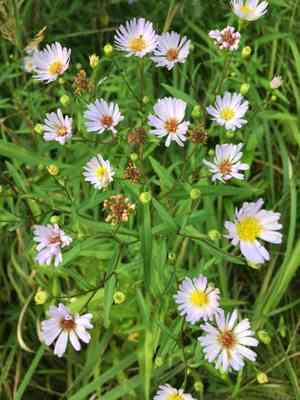
White-panicle aster (Symphyotrichum lanceolatum)
Also known as: Eastern line aster, Panicled aster
White-panicle aster (Symphyotrichum lanceolatum) is native to North America and commonly grows in moist soils, such as those along riverbanks and in wet meadows. This plant attracts a range of pollinators, including bees, butterflies, and flies, thanks to its nectar-rich flowers. Birds may also visit for its seeds, and its foliage can attract herbivores like deer and rabbits.
In This Article
Attributes of White-panicle aster
Lifespan
Perennial
Plant Type
Herb
Plant Height
1.5 m to 2 m
Spread
45 cm to 90 cm
Leaf Color
Green Blue Purple
Flower Size
3 mm to 1.4 cm
Flower Color
White Yellow Pink Blue Violet
Images of White-panicle aster

Quickly Identify White-panicle aster
1
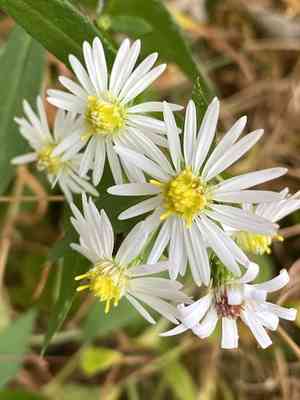
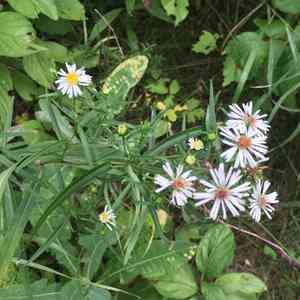
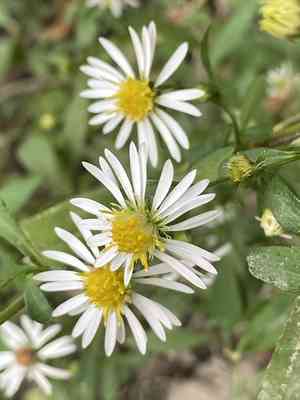
Look for dense clusters of small, white, daisy-like flowers with yellow centers appearing in late summer to fall. The leaves are lance-shaped, and the plant is often found in moist, open areas.
Scientific Classification of White-panicle aster
Phylum
Vascular plants
Class
Dicotyledons
Order
Asterales
Family
Daisy
Genus
Asters
Species
White-panicle aster
Planting and Growing of White-panicle aster
Care Difficulty
Easy
Watering Schedule
Every 3 days
Sunlight Requirements
Full sun
Sunshine Duration
4-8 hours
Ideal Temperature
60-75℉
Soil Type
Potting Mix, Peat Mix
Soil pH
6.5-7.5
Fertilizer Type
Balanced
Pruning Season
Spring, Summer
Pruning Area
Branches, Leaves
Pruning Frequency
2 times a year
Repotting Season
Spring
Pot Type
Plastic, Terracotta
 How to Water White-panicle aster?
Symphyotrichum lanceolatum prefers consistent moisture in its soil, yet it should not be waterlogged. You should water it with about 500 milliliters per session. The goal is to reach the roots while avoiding standing water, which can suffocate them. Ensure the water saturates the soil thoroughly but does not create pools.
More About Watering Techniques→
What are the symptoms of an underwatered White-panicle aster?
›
What should I do if my White-panicle aster is not getting enough water?
›
What are the symptoms of an overwatered White-panicle aster?
›
How to save an overwatered White-panicle aster?
›
 What Are the Sunlight Requirements for White-panicle aster?
Symphyotrichum lanceolatum thrives in full to partial sun conditions. Ideal light encourages robust growth and flowering, bolstering both visual appeal and the plant's role as a food source for pollinators.
More About Sunlight Requirements Techniques→
Solution
›
Specific Measures
›
Achieved Results
›
 What Is the Ideal Temperature Range for White-panicle aster?
The ideal temperature range for Symphyotrichum lanceolatum is between 60°F to 75°F. This range ensures optimal growth and helps maintain the plant's physiological processes, allowing it to thrive. The stability in these temperatures contributes to good flowering and leaf health.
 What Soil is Best for White-panicle aster?
Symphyotrichum lanceolatum thrives in soils that maintain consistent moisture. The loamy or sandy loam soils are perfect as they hold water well, allowing the roots to stay hydrated without becoming waterlogged, which is crucial for the plant's vibrant growth. The plant prefers soil rich in organic matter. Adding compost or well-rotted manure enhances nutrient content, supporting robust flowering and overall plant health. This richness in nutrients promotes a more resilient growth environment for Symphyotrichum lanceolatum. Maintaining soil pH between 6.5 and 7.5 is essential. Neutral to slightly acidic soils support optimal nutrient uptake, ensuring the plant grows vigorously. A balanced pH can prevent nutrient lockout, leading to lush foliage and abundant blooms.
More About Soil→
 How to Fertilize White-panicle aster?
Symphyotrichum lanceolatum benefits from balanced fertilization. Use a 10-10-10 or 20-20-20 liquid fertilizer diluted to half the recommended strength. For slow-release granules, apply at the rate of 1 pound per 100 square feet to maintain nutrient availability.
More About Fertilizing Techniques→
 How to Prune White-panicle aster?
Look for dead, damaged, or weak stems. These should be the first to go. Removing these can redirect the plant's energy towards healthier growth. Trim back any stems that disrupt the plant's natural shape. This not only makes the plant more aesthetically pleasing but also helps ensure even sunlight exposure. If the center of the plant is dense, thin it out to improve air circulation. This reduces the risk of fungal diseases and helps each stem access adequate resources.
More About Pruning Techniques→
 How to Propagate White-panicle aster plant?
1
Gather mature seeds from the spent blooms of Symphyotrichum lanceolatum. Ensure the seeds are fully developed and dry before collection. Store them in a cool, dry place if not immediately sown.
2
Cut healthy, non-flowering stems about 4 to 6 inches long. Remove lower leaves to expose nodes and dip the cut end into a rooting hormone to encourage root development.
3
Lift the mature plant from the ground in early spring. Gently separate the root clumps ensuring each division has shoots and roots. Replant divisions promptly to avoid stress.
 How to Repot White-panicle aster plant?
1
This plant gives you hints when it's time to repot. Look for signs like stunted growth, roots growing out of the drainage holes, or soil drying out too quickly. These indicate that it's time for a new pot and fresh soil, ideally during the growing seasons of spring or summer when the plant can best recover.
2
Choose a pot that is 1-2 inches larger in diameter than the current one. The pot should have good drainage to prevent waterlogging, which can lead to root rot. Opting for a terracotta pot can be beneficial as it allows for better airflow and moisture regulation.
3
Select a well-draining potting mix to provide the right environment for Symphyotrichum lanceolatum. A mix with peat, perlite, and sand can enhance drainage and aeration, supporting healthy root growth and preventing water-related issues.
Learn More About White-panicle aster Diseases
Anthracnose
Bacterial Leaf Spot
Bacterial Wilt
Chemical Injury
Crown Gall
Cyst Nematode
Damping-off
Downy Mildew
Drought Stress
Fusarium Wilt
Gray Mold
Leaf Spot
Mosaic
Nutrient Deficiency
Nutrient Toxicity
Powdery Mildew
Root Rot
Root-knot Nematode
Rusts
Sooty Mold
Spider Mites
Temperature Stress
Thrips Damage
White Mold



