Enhancing Your Garden Design with the White-panicle aster Plant: A Landscaping Guide
1
White-panicle aster adapts well to diverse soil types, making it suitable for various garden settings.
2
Combining White-panicle aster with complementary hues boosts its aesthetic charm and fosters a balanced garden layout.
3
Consistent upkeep for White-panicle aster involves periodic care to maintain its health and beauty.
Introducing White-panicle Aster in Garden Design
Overview of White-panicle aster's visual appeal
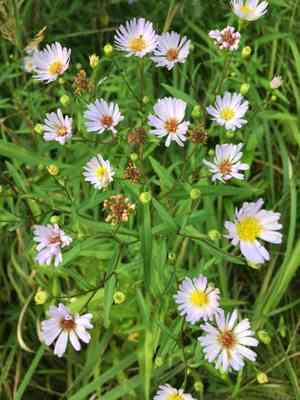
White-panicle aster enhances landscape aesthetics with its delicate, appealing foliage and clusters of small, white flower panicles. These blossoms create a gentle yet lively presence in any garden, adding grace and natural charm. The plant's structure also offers a soft, flowing appearance, bringing a tranquil ambiance to its surroundings. Its height and spread make White-panicle aster a prominent feature, easily becoming a focal point in diverse landscaping plans.
Advantages of integrating White-panicle aster into outdoor areas
Incorporating White-panicle aster into your outdoor spaces offers numerous advantages. It attracts pollinators, such as bees and butterflies, vital for a flourishing garden ecosystem. White-panicle aster is also known for its adaptability, thriving in various soil types, making it a low-maintenance option for gardeners. Furthermore, its drought-tolerant nature makes it an ideal choice for sustainable gardening practices, reducing the need for frequent watering and aiding water conservation efforts.
Optimal Placements for White-panicle Aster in Your Garden
Prime spots to plant White-panicle aster for visual impact
To maximize White-panicle aster's visual impact, consider placing it where it can serve as a striking element. Lining walkways and garden edges with White-panicle aster creates a defined yet soft border. It's also an excellent choice for mass planting in open areas, where its extensive foliage can spread to create a lush, carpet-like effect. Additionally, planting White-panicle aster near water features or alongside rock gardens can enhance naturalistic themes and provide a soothing visual and auditory experience.
Considering sun exposure and soil conditions
White-panicle aster proves quite adaptable regarding sun exposure, flourishing in both full sun and partial shade. However, for optimal growth, choose a spot that receives morning sunlight and afternoon shade, especially during hot summers. Soil conditions are also crucial. While White-panicle aster adapts well to various soils, it particularly thrives in well-draining, fertile soil. Slightly acidic to neutral pH levels are ideal, ensuring a nutrient-rich environment that supports robust growth and abundant flowering.
Pairing White-panicle Aster with Other Plants
Companion plants that enhance White-panicle aster's beauty
Pairing White-panicle aster with complementary plants can significantly boost its beauty and create a unified garden look. Consider combining it with plants featuring bold, contrasting colors, such as purple coneflowers or black-eyed Susans. These vibrant hues contrast with White-panicle aster's delicate white flowers, adding visual interest and depth. Additionally, grasses or sedges can provide textural contrast, making the composition more dynamic. Select plants that share similar growing conditions to ensure a harmonious and thriving garden environment.
Color and texture considerations for balanced design
When designing with White-panicle aster, consider the color palette and textures to achieve a harmonious garden design. The soft white flowers of White-panicle aster pair well with a range of colors, but combining them with cool blues, purples, and greens can create a calming effect. For a more vibrant look, incorporate warm oranges and reds. Texturally, combine White-panicle aster with both fine and coarse-textured plants to add depth and interest. For instance, placing White-panicle aster alongside broad-leafed hostas or spiky yuccas can create a visually appealing textural contrast.
Caring for White-panicle Aster in Landscaping
Basic care tips for longevity and appearance
Maintaining White-panicle aster is straightforward, making it an excellent choice for gardeners of all skill levels. Regular watering during its establishment phase ensures healthy development. Once established, White-panicle aster can endure dry conditions, requiring less frequent irrigation. Pruning is another vital aspect; remove spent blooms to encourage more flowering and prevent the plant from becoming too leggy. Additionally, apply a balanced fertilizer in early spring to promote vigorous growth and abundant blossoms.
Seasonal care strategies
Seasonal care is essential for White-panicle aster's longevity and aesthetic appeal. In spring, clear away any dead or damaged foliage from the previous season to encourage new growth. Summer care involves ensuring adequate moisture, especially during extended dry periods. In fall, cut back the stems to a few inches above the ground after the first frost to prepare the plant for winter dormancy. Mulching in late fall can protect the root system from harsh winter temperatures, ensuring White-panicle aster returns vibrant and healthy in the spring.
Creative Applications of White-panicle Aster in Landscape Design
Innovative ways to integrate White-panicle aster into contemporary landscapes
In modern landscapes, White-panicle aster can be used creatively to enhance contemporary garden designs. Consider using White-panicle aster in vertical gardens or green walls, where its trailing habit can add a soft element to hardscapes. It's also ideal for container gardening on patios or terraces, allowing urban dwellers to enjoy its beauty. Additionally, White-panicle aster can be incorporated into sustainable rain gardens, where its adaptability to various moisture levels plays a crucial role in managing stormwater.
Examples of impressive White-panicle aster-based landscape projects
Several landscape projects have successfully highlighted White-panicle aster's beauty. For instance, urban park installations often use White-panicle aster in mass plantings to create immersive, naturalistic environments. Residential gardens have utilized White-panicle aster alongside winding pathways, emphasizing the plant's soft, flowing nature. In corporate landscapes, White-panicle aster is often integrated into perennial borders, providing year-round interest and a welcoming aesthetic. These examples showcase White-panicle aster's versatility and visual appeal in various landscape settings.



