How to Transplant White-panicle aster?
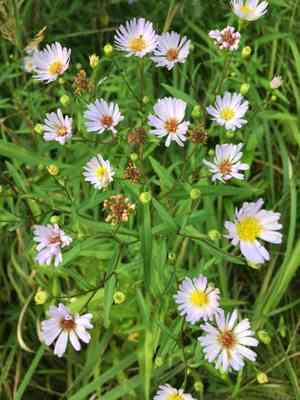
For white-panicle aster, the ideal period for relocation is during the earth's reawakening, usually in spring. Choose a location that receives abundant sunlight and features damp, adequately draining soil. Carefully place white-panicle aster into its new environment, facilitating a smooth shift towards vigorous development.
Essential Preparations Before Relocating White-panicle Aster?
When is the Best Time to Move White-panicle Aster?
Choose the revitalizing period of spring to move white-panicle aster, when warmer temperatures and gentle breezes encourage root establishment. This favorable window ensures vigorous development and successful adaptation.
What Distance Should Be Maintained Between White-panicle Aster Plants?
When relocating white-panicle aster, allow a generous distance of 1-2 feet (30-60 cm) between each specimen. This will permit every individual white-panicle aster to thrive without competing for resources!
What is the Optimal Soil Mixture for White-panicle Aster Relocation?
For peak performance, white-panicle aster prefers well-drained, loamy soil. Prior to planting, incorporate a balanced compost or organic matter as a foundational fertilizer to enrich the earth.
Where Should You Replant Your White-panicle Aster?
Your white-panicle aster thrives in sunlight! Therefore, identify a spot that receives full sun for at least 6 hours daily. This guarantees your white-panicle aster will grow robustly and contentedly.
What Tools Are Necessary Before Relocating White-panicle Aster?
Gardening Gloves
For safeguarding hands from thorns and dirt when handling white-panicle aster.
Spade or Shovel
This tool will be utilized to excavate the white-panicle aster from its initial position.
Garden Trowel
Smaller than a spade, it offers precision in digging a hole for your plant and covering its root system.
Wheelbarrow or Bucket
To transport the white-panicle aster and some soil from its original spot to the new location.
Watering Can
To adequately hydrate the white-panicle aster before and after the move, aiding in stress reduction.
Compost
Enriching soil with organic material can help boost its nutrients, assisting in successful relocation.
Mulch
To help regulate soil temperature and retain moisture.
Garden Knife
Optional, for dividing the root of white-panicle aster if required.
How Do You Extract White-panicle Aster from the Ground?
How Do You Extract White-panicle Aster from the Ground?
From Ground: Begin by irrigating the white-panicle aster to moisten the surrounding earth. Next, using a spade or shovel, start digging a broad, deep trench around the plant, approximately 6-12 inches away depending on its size, to prevent damage to the root ball. Carefully lift the plant from its initial spot, preserving as much of the root ball as possible. Use your garden knife to divide the root if the plant is too large.From Pot or Container: Water the white-panicle aster thoroughly, then tilt the pot sideways and gently grasp the plant at its base. Slide the plant out with the root ball intact. If it's stuck, tap the pot's edge to loosen the soil.From Seedling Tray: If the white-panicle aster is still a seedling in a tray, gently hold the plant's leaves (not the stem) and use a pencil or your finger to push the soil up from beneath the seedling cell to lift it out.
Detailed Guide for Relocating White-panicle Aster
Site Preparation
Ensure the new area is free of weeds and debris. Enrich the soil with a layer of compost and dig a hole that is twice the width and the same depth as the white-panicle aster's root ball.
Relocation
Position the white-panicle aster in the hole, ensuring it's at the same level as it was in its original spot. Backfill the hole with soil, gently firming around the plant's base.
Watering
Thoroughly water the white-panicle aster immediately after relocation to settle the soil and reduce transplant shock.
Mulching
Once watered, apply a layer of mulch around the white-panicle aster (without touching the stem) to conserve moisture and suppress weeds.
How Do You Care For White-panicle Aster After Relocation?
Watering
Keep the white-panicle aster well-hydrated, especially during the initial weeks as it establishes roots in its new location. However, avoid overwatering; standing water or consistently wet soil can lead to root rot.
Pruning
Remove any dead or dying foliage to direct the white-panicle aster's energy towards root development.
Monitor
Watch for indications of stress such as wilting, yellowing, or dropped leaves and adjust care as needed.
Protection
Depending on the season and local wildlife, you may need to shield white-panicle aster from pests, frost, or excessive heat.
Addressing Common Issues with White-panicle Aster Relocation.
What is the optimal season to move white-panicle aster?
The most successful period to relocate white-panicle aster is during seasons 1 to 3. This timeframe offers an ideal environment for rooting and growth.
How much space should be between each white-panicle aster when relocating?
For optimal growth, maintain a gap of 1-2 feet (approximately 30-60 cm) between each white-panicle aster during relocation, allowing each plant ample room to spread.
What is the ideal soil for relocating white-panicle aster?
White-panicle aster thrives in well-drained soil, enriched with organic matter. The soil pH should ideally range from slightly acidic to slightly alkaline.
What should be the depth of the hole for relocating white-panicle aster?
Excavate a hole that is 1.5 times the size of the root ball. This provides space for spreading the roots and encourages healthy development.
How much sunlight does white-panicle aster need post-relocation?
White-panicle aster flourishes best in full sun to partial shade. Ensure your new location receives at least 6 hours of sunlight daily for optimal growth.
What is the best method to water white-panicle aster after relocating?
Thoroughly water white-panicle aster after relocation. Continue to water deeply but infrequently, aiming to keep the soil consistently moist but not waterlogged.
How do I prevent relocation shock in white-panicle aster?
Prevent relocation shock by avoiding excessive disturbance to the roots. Also, ensure adequate watering, maintain proper spacing, and provide good sun exposure.
Can white-panicle aster tolerate relocation in high temperatures?
White-panicle aster may struggle with relocation in extreme heat. Aim for moving during cooler parts of the day to minimize stress on the plant.
What should I do if white-panicle aster appears stunted after relocating?
If white-panicle aster exhibits stunted growth post-relocation, try adjusting the watering schedule. It could also indicate insufficient sunlight or poor soil nutrition.
How crucial is fertilization for white-panicle aster after relocating?
Proper fertilization is important for white-panicle aster after relocating. A balanced, slow-release fertilizer applied according to package directions can boost growth and bloom.



