The White-panicle aster Plant Advantage: Maximizing Home and Office Appeal and Wellness
1
White-panicle aster offers crucial sustenance for beneficial insects, making it a superb option for sustainable landscaping.
2
This plant is recognized for its ability to thrive in diverse soil compositions and environmental settings.
3
White-panicle aster improves the visual charm of outdoor spaces across all seasons.
Why is White-panicle aster Important for Pollinators?
Supports Bee Populations
White-panicle aster plays a vital role in sustaining bee populations. Bees are essential for pollination, and this plant offers a rich supply of nectar and pollen, particularly in late summer and fall when other flowers are scarce.
Attracts Butterflies
Beyond bees, White-panicle aster draws in various butterfly species. Its abundant blossoms create a suitable habitat for these pollinators, significantly contributing to the local ecosystem's well-being.
How Does White-panicle aster Contribute to Soil Health?
Erosion Control
White-panicle aster's deep, fibrous root system helps stabilize soil, making it highly effective for preventing erosion. Its ability to adapt to diverse soil types means it can flourish where other plants might struggle, thus safeguarding landscapes from deterioration.
Improves Soil Fertility
White-panicle aster naturally boosts soil fertility. The decomposition of its leaves adds organic matter to the soil, which enhances its nutrient content and structure, benefiting the entire plant community.
What Makes White-panicle aster Ideal for Landscaping?
Aesthetic Appeal
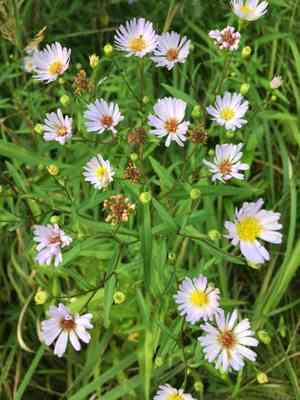
White-panicle aster offers striking visual appeal with its white, panicle-like flower clusters. It's an excellent choice for adding color and texture to gardens, parks, and other landscaped areas, providing year-round interest.
Low Maintenance
A major benefit of White-panicle aster is its minimal maintenance needs. It adapts well to various environmental conditions, including droughts and differing soil pH levels, reducing the necessity for frequent care.
Can White-panicle aster Benefit Local Wildlife?
Food Source for Birds
White-panicle aster produces seeds that serve as an important food source for birds during autumn and winter. This makes it an excellent plant for supporting avian biodiversity in both residential and natural environments.
Shelter for Small Animals
The dense foliage of White-panicle aster provides cover and nesting spots for small animals and insects, creating a micro-ecosystem within the broader landscape. This encourages a diverse array of species to inhabit the area, enhancing local biodiversity.
How Does White-panicle aster Perform in Different Seasons?
Spring and Summer Growth
White-panicle aster actively grows in spring and maintains lush foliage through summer. Its resilience during these seasons makes it an ideal plant for continuous green coverage.
Autumn Bloom
One of the most impressive aspects of White-panicle aster is its flowering period in late summer and fall. As many plants start to decline, White-panicle aster continues to thrive, offering visual appeal and ecological advantages well into the colder months.
Is White-panicle aster Suitable for Urban Gardens?
Urban Adaptability
White-panicle aster performs exceptionally well in urban environments due to its tolerance for pollution and confined spaces. It can be a great addition to rooftop gardens, community areas, and roadside plantings.
Community Engagement
Planting White-panicle aster can also foster community involvement by engaging local residents in gardening activities that benefit the environment. Its attractive and easy-to-maintain nature makes it a popular choice for public and private urban gardens.



