How Often Should You Water Your Wineberry?
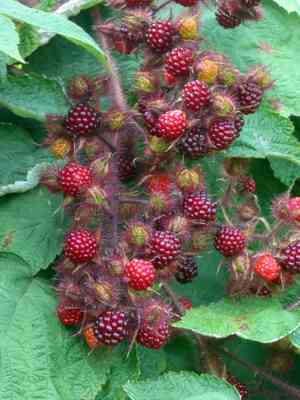
1
Moisten your Wineberry bi-weekly to sustain ideal soil dampness.
2
Wineberry specimens thrive with thorough irrigation to foster robust root growth.
3
The early hours are optimal for hydrating Wineberry, enabling the plant to take in water prior to the day's warmth.
Grasping the Fundamentals of Hydrating Wineberry
Water's contribution to Wineberry vitality
Water is crucial for your Wineberry plant's well-being. Proper hydration ensures vital nutrients are distributed throughout the plant, supporting development and fruit yield. Water enters via roots and travels to leaves, the primary site for photosynthesis, where sunlight is converted to energy. Insufficient water can severely diminish plant health, causing stunted growth and reduced fruit output.
Indicators of adequate hydration in Wineberry
A well-hydrated Wineberry plant displays several key health signs. Leaves should appear vibrant and firm, and the plant should consistently produce new growth. Healthy Wineberry plants yield abundant, juicy, and well-formed fruit. If your plant exhibits these traits, it suggests your watering regimen is effective, helping the plant flourish.
Optimal Watering Practices for Wineberry
The best time of day to irrigate Wineberry
The ideal time to water your Wineberry is early in the morning. Morning watering allows the plant to absorb moisture before the day's heat increases evaporation. This practice helps maintain soil moisture levels that support healthy root systems. Avoid watering during the hottest part of the day, as much water will evaporate before benefiting the plant.
Appropriate watering implements and methods
To effectively water your Wineberry, utilize a soaker hose or a drip irrigation system. These methods deliver water directly to the root zone, minimizing waste and lowering the risk of fungal diseases from water splashing on foliage. Aim for deep watering, providing approximately 2-3 liters (about 0.5-0.8 gallons) of water per plant per session. This promotes deep root growth and enhances the plant's drought tolerance.
How to Adjust Watering Based on Seasons
Hydrating Wineberry during the active growth period
During the growing season, typically spring through summer, Wineberry plants require more frequent watering. Due to their active growth and fruit production, watering twice per week helps ensure sufficient moisture. Mulching around the plant's base can also aid in retaining soil moisture and reducing watering frequency.
Winter care and reduced hydration needs
In winter, Wineberry plants enter dormancy, significantly lowering their water requirements. Watering should be reduced to once every two weeks or less, depending on weather and soil conditions. It's vital to prevent waterlogged soil, as excess moisture can cause root rot. Monitoring soil and adjusting based on moisture levels can keep your plant healthy through winter.
Preventing Common Watering Errors with Wineberry
Over-watering problems and how to avoid them
Over-watering is a frequent error that can lead to root rot and other fungal diseases in Wineberry plants. To prevent this, ensure good soil drainage and avoid soggy conditions. Reduce watering if the weather is cooler or if rainfall is adequate. Signs of over-watering include yellowing leaves, wilting despite wet soil, and a foul odor indicating root decay.
Under-watering indicators and remedies
Under-watering can cause stress and impede Wineberry plant growth. Symptoms include dry, brittle leaves, stunted development, and poor fruit yield. To correct this, increase watering frequency and ensure each session provides enough water for the roots. Deep watering and mulching can help retain moisture and provide the plant with a more consistent water supply, preventing the negative effects of under-watering.



