How to Prune Wineberry?
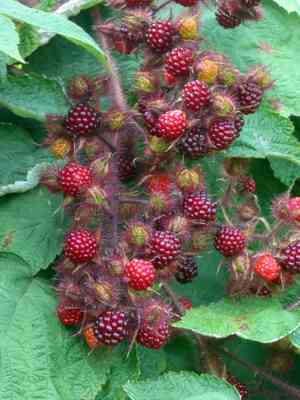
This intrusive shrub is recognized for its curving branches and crimson, fuzzy fruit. For wineberry, trim in early spring prior to the emergence of new shoots. Eliminate any dead or ailing canes and thin them out to ensure proper air circulation. Restrict each crown to a select number of robust canes to stimulate fruit yield. Sever at soil level, discarding excised matter to inhibit dissemination. Trimming fosters more robust plants and bigger berries, diminishing the likelihood of pests and illnesses.
Advantages of Trimming wineberry
Advantages of Trimming wineberry
Trimming wineberry promotes robust development and helps maintain its form, ensuring the plant stays compact and manageable. Regular cutting back encourages denser foliage and can revitalize plants that appear overgrown or leggy.
Optimal Time for Trimming wineberry
Optimal Time for Trimming wineberry
Trimming in early spring is considered ideal for wineberry as it allows gardeners to remove any dead or diseased stems before the plant expends energy on them. This timing also avoids disturbing the plant during its fruiting period, as wineberry produces fruit on stems that grew in the previous year. Spring trimming supports vigorous growth and benefits the plant's health, as it permits a good balance of light and air circulation, which is fundamental for healthy fruit development. Furthermore, doing so before new leaves emerge provides gardeners with a clear view of the plant's structure, facilitating more effective trimming and shaping.
Tools Required for Trimming wineberry
Bypass Pruners
Bypass pruners are perfect for making clean cuts on wineberry's smaller stems. Their scissor-like action allows for precise control, minimizing damage to the plant's tissues and encouraging healthier regrowth.
Loppers
For thicker wineberry stems that bypass pruners cannot handle, loppers provide the extra leverage needed for clean cuts. Their long handles also help reach deeper into the plant without injuring the gardener.
Pruning Saw
When dealing with the oldest and thickest wineberry stems, a pruning saw is essential. Its serrated blade can cut through woody growth that other tools might struggle with.
Gloves
Thick gloves are recommended to protect the gardener's hands from wineberry's thorns, which can be quite sharp and numerous.
Safety Glasses
Safety Glasses should be worn to Protect the eyes from thorny debris that might be dislodged during pruning.
How to Trim wineberry
Step1: Identifying Plants Needing Trimming
Identify 'wineberry' plants in your garden that require trimming. Trimming is typically done in late winter or early spring before new growth begins.
Step2: Preparing Trimming Tools
Prepare clean, sharp trimming shears or loppers to ensure precise cuts and to prevent disease transmission.
Step3: Wearing Protective Gear
Put on protective gloves and long sleeves to shield yourself from 'wineberry's thorny stems while trimming.
Step4: Locating Old Stems
Locate old stems, which are usually thicker, have peeling bark, and may have borne fruit the previous season. wineberry's fruit is produced on biennial stems, which die after fruiting.
Step5: Trimming Old Stems
Trim all old stems at the base, as close to the ground as possible to make way for new productive stems. This also promotes better air circulation and reduces disease.
Step6: Removing Diseased Stems
Examine 'wineberry' for any diseased stems, which may exhibit signs of discoloration, wilting, or abnormal growth. Isolate and promptly remove these stems.
Step7: Disposing of Diseased Stems
Dispose of the diseased stems properly, away from your garden to prevent spreading any pathogens. Never compost diseased plant materials.
Step8: Identifying Weak Stems
Identify weak stems, which are slender, spindly, and may not be strong enough to support fruit. Weak stems are also less likely to produce quality fruit.
Step9: Trimming Weak Stems
Trim weak stems at their point of origin or back to a strong lateral shoot that can potentially develop into a healthier stem.
Step10: Spacing Remaining Stems
After removing the old, diseased, and weak stems, assess the remaining stems' spacing. A common recommendation for 'wineberry' is to space stems about 4 to 6 inches apart to ensure adequate light and air penetration.
Step11: Shaping Healthy Stems
Shape the remaining healthy stems by selectively trimming any side branches that crowd neighboring stems or that grow horizontally, as these can interfere with walkways or other plants.
Step12: Cleaning Trimming Debris
Clean up all trimming debris from the base of 'wineberry' to prevent disease and pests. Debris can harbor fungal spores and insect eggs.
Step13: Watering After Trimming
Water 'wineberry' well after trimming to help reduce any stress on the plant and to promote healthy new growth.
Step14: Monitoring for New Growth
Monitor 'wineberry' regularly throughout the growing season to remove any additional weak, damaged, or diseased stems that may appear.
Post-Trimming Care for wineberry
Post-Trimming Care for wineberry
After trimming wineberry, promptly clear debris to discourage pests. Adjust environment to ensure indirect light exposure, stable humidity, and mild temperatures. Support wineberry with balanced fertilizer application to promote healing and growth. Regularly inspect for wilting or discolored foliage as indicators of stress or infection. Should signs appear, isolate affected areas and apply appropriate fungicides or pesticides. Maintain consistent watering, avoiding over-saturation.
Common Trimming Mistakes with wineberry
Over-Trimming Stunts Growth
Trimming too much at once, which can shock the plant and stunt its growth. wineberry should have only about one-third of its oldest stems removed annually to maintain vitality.
Improper Stems Cutting Length
Cutting stems too short or too long. Stems of wineberry should be trimmed just above a healthy bud to promote optimal growth.
Diseased Stems Left Unremoved
Neglecting to remove diseased or damaged stems, which can lead to the spread of disease and reduce the overall production of the plant. wineberry requires thorough inspection to identify and remove such stems.
Unsterilized Tools Spread Disease
Trimming without sterilizing tools between cuts, especially when moving between different plants. This can transfer disease to wineberry, affecting its health.
Trimming Against Natural Growth Habit
Ignoring the plant's natural growth habit by trimming into a desired shape rather than adopting a more naturalistic approach. wineberry benefits from trimming that respects its natural growth patterns.
Common Trimming Tips for wineberry
Use Sharp, Clean Trimming Shears
Always use sharp, clean trimming shears to make clean cuts on wineberry, which helps prevent disease and promotes better healing.
Trim Oldest Stems at Ground Level
Trim out the oldest and thickest stems at ground level to rejuvenate the plant. Older stems can be identified by their darker, rougher bark and reduced fruit production.
Trim Side Branches to Strengthen Stems
Maintain the plant's structure by trimming back side branches to encourage the growth of strong, healthy stems. Side branches of wineberry should be trimmed to about a quarter of their length.
Thin Dense Areas for Air and Light
Ensure adequate air circulation and light penetration by thinning dense areas. This prevents the development of fungal diseases in wineberry.
Trim Fruit-Bearing Stems Post-Harvest
After fruiting, trim stems that have produced berries, as wineberry fruits on one-year-old stems. Removing these stems after they bear fruit encourages new growth for the following season.



