How to Propagate Wineberry?
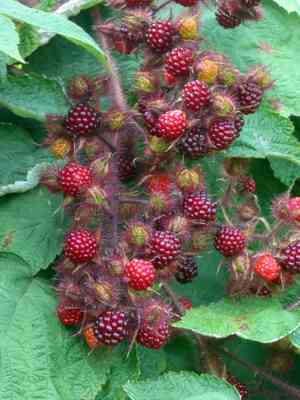
Wineberry is best multiplied in the Fall and Winter periods through the use of cuttings and layering techniques. It presents a medium level of propagation challenge, with indicators of success being fresh shoots and the formation of roots. Perseverance is crucial, as the propagation process can be lengthy.
Optimal Period for Wineberry Propagation
Propagation Method
Cutting
Propagation Period
Autumn,Winter
Tools Required for Wineberry Propagation
Sharp pruning shears
These are vital for obtaining cuttings from wineberry. Pruning shears must be sharp to ensure a clean cut without harming the parent plant or the cutting. A clean cut is crucial for preventing infection and promoting better rooting.
Rooting hormone
Applying rooting hormone to the severed end of wineberry cuttings can significantly boost the likelihood of successful root formation. It encourages root growth at the cutting site, which is especially important for wineberry as it can sometimes be challenging to root.
Sterilizing agent (e.g., rubbing alcohol)
Used to sanitize the pruning shears before taking cuttings from wineberry. This minimizes the risk of disease transmission, ensuring that the cuttings are healthy and have the best chance of rooting successfully.
Propagation trays or pots
These containers hold the substrate or medium in which the wineberry cuttings will be placed to root. They should have adequate drainage to prevent waterlogging, which can lead to rotting of the cuttings.
Potting mix or rooting medium
A well-draining, sterile medium, such as a blend of peat and perlite, offers the optimal environment for wineberry cuttings to develop roots. It should retain moisture yet allow excess water to drain to prevent rot.
Plastic covers or humidity domes
Placing a plastic cover or humidity dome over the propagation trays creates a moist environment that helps maintain hydration around the wineberry cuttings, reducing water loss and stress during the rooting process.
Heating mat (optional)
This tool is beneficial for wineberry cuttings as it provides consistent warmth from below, which can accelerate root development. While not strictly necessary, it can improve success rates, particularly in cooler climates.
Caring for Your Newly Propagated Wineberry
Caring for Your Newly Propagated Wineberry
Following propagation, wineberry needs bright, indirect light and sufficient water to keep the soil consistently moist. The plant prefers well-draining soil rich in organic matter. Fertilize every two months with a balanced, water-soluble fertilizer during the active growth period. Prune annually to remove dead or overgrown stems and to maintain the plant's shape. Protect from extreme temperatures and severe frosts.
Common Errors to Avoid When Propagating Wineberry
Excessive watering
Overwatering can cause root rot, which is detrimental to wineberry's health. Their roots require good drainage, and overwatering can suffocate them, hindering successful propagation.
Planting depth
Planting wineberry cuttings or seedlings too deeply can impede their ability to sprout and establish. If the nodes are buried too far beneath the soil, the chances of new shoots emerging are significantly reduced.
Ignoring disease
Neglecting signs of disease or pests in wineberry can lead to widespread problems. If propagated material is infected, it can compromise the health of new plants.
Poor cutting selection
Using weak or diseased cuttings from wineberry for propagation is a common error that results in poor establishment and growth of the new plants.
Neglecting humidity
Forgetting to maintain adequate humidity around wineberry cuttings can cause them to dry out and fail to root. Wineberry requires a humid environment to successfully develop roots.
Tips For Propagating Wineberry
Healthy parent plant
Choose disease-free and robust parts of the parent wineberry to ensure successful propagation. Healthy cuttings or seedlings are more likely to root and grow vigorously.
Soil composition
Utilize well-draining soil mixed with organic matter to provide wineberry with the ideal rooting environment. This helps prevent waterlogging and promotes healthy root development.
Cutting treatment
Dip the cut ends of wineberry cuttings into rooting hormone to increase the chances of successful rooting. This stimulates root growth and enhances propagation outcomes.
Environmental control
Maintain a humid environment around wineberry cuttings, such as by using a humidity dome or misting regularly, to prevent them from drying out and to facilitate root development.
Monitor health
Regularly inspect wineberry for signs of disease or pests. Early detection and treatment can prevent the spread of issues to newly propagated plants.



