Optimal Fertilizer for Growing Wineberry: What You Need to Know
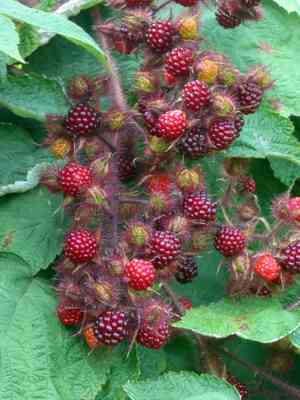
1
Wineberry plants gain the most from fertilizer applied in spring as their growth cycle commences.
2
A soil acidity level ranging from 5.5 to 6.5 is optimal for Wineberry plants to absorb nutrients.
3
Employing organic fertilizers can enhance soil quality and deliver sustained nutrient release, which benefits Wineberry.
Understanding the Nutritional Needs of Wineberry
Essential nutrients for healthy Wineberry growth
To ensure your Wineberry plants reach their full potential, it's crucial to provide them with the right nutrients. Key nutrients include nitrogen (N) for leafy growth, phosphorus (P) for strong root development, and potassium (K) for overall plant health and disease resistance. Additionally, micronutrients like iron (Fe) and magnesium (Mg) are vital for optimal growth, aiding in processes such as photosynthesis and cellular structure integrity.
How soil conditions affect nutrient availability
Soil health plays a significant role in the ability of Wineberry to access nutrients. Well-draining soil that is rich in organic matter ensures that roots can penetrate deeply and absorb the nutrients they need. Conversely, compacted or poorly draining soils can impede root growth and nutrient uptake, leading to stunted growth and poor yields.
The role of pH levels in nutrient absorption
Wineberry plants thrive in slightly acidic to neutral soils with pH levels between 5.5 and 6.5. Maintaining this pH range is essential because it affects the solubility of nutrients. For instance, a pH level that is too high or too low can lock out essential nutrients from being absorbed by the plant. Regular soil testing can help you monitor and adjust pH levels as needed.
Choosing the Right Fertilizer for Wineberry
Organic vs. synthetic fertilizers: Which is best?
Both organic and synthetic fertilizers have their merits, but they offer different benefits. Organic fertilizers such as compost, manure, and bone meal improve soil structure and provide a slow release of nutrients, which can be beneficial for sustained plant health. Synthetic fertilizers, on the other hand, offer a quick nutrient boost and precise nutrient ratios but can lead to nutrient leaching and do not improve soil health. For Wineberry, a balanced approach might involve using organic fertilizers complemented by occasional synthetic applications for immediate nutrient needs.
Analyzing nutrient ratios for Wineberry fertilization
Understanding fertilizer labels is key to choosing the right product for your Wineberry. These labels usually display nutrient ratios in the form of N-P-K (nitrogen, phosphorus, potassium). For Wineberry, a balanced ratio such as 10-10-10 can provide a good foundation during the growing season. However, a higher nitrogen ratio may be necessary during active growth phases to encourage foliage development, while increased phosphorus and potassium are ideal during fruiting periods for root fortification and fruit quality.
Application tips: How much and how often?
Applying the right amount of fertilizer is crucial for Wineberry health. Over-fertilizing can lead to nutrient burn and environmental harm, whereas under-fertilizing can result in weak growth. As a general rule, fertilize your Wineberry once in early spring just as new growth begins. For organic fertilizers, follow the manufacturer's recommendations, typically around 1 kg (2.2 lbs) per 10 m² (107 sq. ft). If using synthetic fertilizers, apply about 50 grams (1.8 oz) per 1 m² (10.7 sq. ft), but always check the label for specific instructions.
Fertilization Techniques for Wineberry
The best seasons for fertilizing Wineberry
The optimal time to fertilize Wineberry is in the spring as new growth begins. This period is crucial as the plant comes out of its dormant phase and needs a nutrient boost to support budding leaves, flowers, and eventual fruit production. Avoid late-season fertilizations in summer or fall, as this can lead to late-season growth spurts that are vulnerable to frost damage.
Top dressing vs. liquid feeds: Benefits and drawbacks
Top dressing involves applying a layer of compost or granular fertilizer around the base of the plant. This method slowly releases nutrients into the soil, feeding the plants over time. Liquid feeds, on the other hand, involve mixing water-soluble fertilizer with water and applying it directly to the soil or foliage. While liquid feeds provide a rapid nutrient boost, they require more frequent application and can easily wash away. Combining these methods can provide both immediate and long-term nutrient availability for Wineberry.
Monitoring and adjusting fertilization practices
Regular monitoring is key to successful fertilization. Observe your Wineberry plants for signs of nutrient deficiencies, such as yellowing leaves (nitrogen deficiency) or poor fruiting (phosphorus deficiency). Soil testing every few years can help you make informed decisions about pH levels and nutrient needs, allowing you to adjust fertilization practices accordingly. Keeping a garden journal to track fertilization dates and outcomes can also provide valuable insights for future care.



