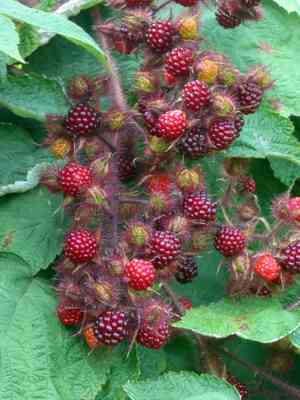
Wineberry (Rubus phoenicolasius)
Also known as: Japanese wineberry, Dewberry
Wineberry (*Rubus phoenicolasius*) is originally from northeast Asia. It has spread to Europe and North America, where it is often grown as an ornamental plant. The berries are edible and can sometimes be confused with raspberries or blackberries.
In This Article
Attributes of Wineberry
Lifespan
Perennial
Plant Type
Shrub
Plant Height
1 m to 3 m
Spread
1 m
Leaf Color
Green Yellow
Flower Size
6 mm to 1 cm
Flower Color
White Pink Green Red
Images of Wineberry
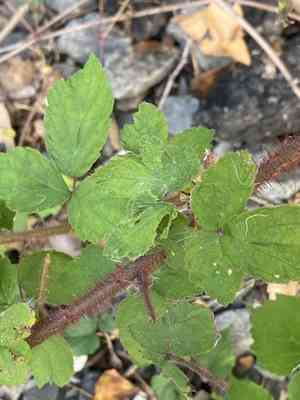
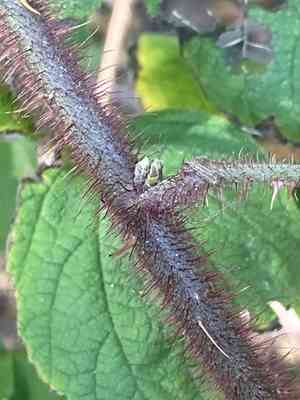
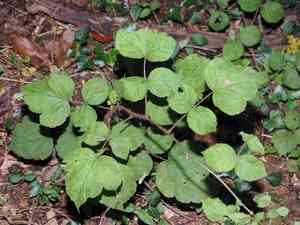
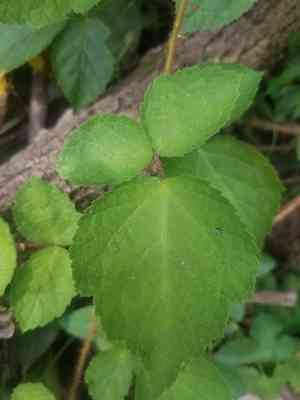
Quickly Identify Wineberry
1
Compound leaves with three heart-shaped toothed leaflets, silvery undersides, and dense soft hairs.
2
Red glandular hairs on slender stems reaching up to 10 feet (3 meters) in length.
3
Small star-shaped white flowers with red buds and pointed petal tips.
4
Spherical fruit, about 0.75 inches (19 mm) in diameter, ripening to a vibrant red color.
5
Fruit develops on last year's growth, presenting juicy berries in late summer.
Scientific Classification of Wineberry
Phylum
Vascular plants
Class
Dicotyledons
Order
Rosales
Family
Rose
Genus
Brambles
Species
Wineberry
Planting and Growing of Wineberry
Care Difficulty
Easy
Watering Schedule
Every 3 days
Sunlight Requirements
Partial sun
Sunshine Duration
10-12 hours
Ideal Temperature
60-75℉
Soil Type
Potting Mix, Peat Mix
Soil pH
6.5-7.5
Fertilizer Type
Balanced
Pruning Season
Spring, Summer
Pruning Area
Branches, Leaves
Pruning Frequency
2 times a year
Repotting Season
Spring
Pot Type
Plastic, Ceramic
 How to Water Wineberry?
The ideal watering amount for Rubus phoenicolasius should be about 500 ml each time. This ensures that the moisture reaches the deeper roots without causing waterlogged soil. Always water until the soil is moist but not soggy, allowing for thorough absorption.
More About Watering Techniques→
What are the symptoms of an underwatered Wineberry?
›
What should I do if my Wineberry is not getting enough water?
›
What are the symptoms of an overwatered Wineberry?
›
How to save an overwatered Wineberry?
›
 What Are the Sunlight Requirements for Wineberry?
For Rubus phoenicolasius, partial sun ranging from 4 to 6 hours daily is ideal. Such conditions encourage robust growth, promote fruiting, and enhance overall plant health, balancing energy absorption with protection from harsh solar exposure.
More About Sunlight Requirements Techniques→
How much direct sunlight is optimal?
›
Can this plant tolerate shade?
›
How to create ideal lighting at home?
›
 What Is the Ideal Temperature Range for Wineberry?
Rubus phoenicolasius, commonly known as wineberry, thrives best in moderate climates. The ideal temperature range for its optimal growth falls between 60°F to 75°F. Staying within this range ensures healthy development and productive fruiting. Maintaining the temperature within this ideal range facilitates appropriate photosynthesis and nutrient uptake, supporting overall plant vigor.
 What Soil is Best for Wineberry?
Rubus phoenicolasius thrives in soil with good drainage. Effective drainage prevents waterlogging, which can lead to root rot. Proper drainage contributes to healthier root systems and more robust growth. The plant benefits from nutrient-rich soil, which can be naturally achieved in loamy soil. Loam provides a balance of nutrients essential for vibrant foliage and abundant fruit production. Soil high in organic matter, such as compost, supports Rubus phoenicolasius by improving soil structure and moisture retention, crucial for its development and resistance to environmental stress.
More About Soil→
 How to Fertilize Wineberry?
For Rubus phoenicolasius, apply a balanced liquid fertilizer diluted to half strength, ensuring not to exceed one tablespoon per gallon of water. For slow-release granular fertilizers, use a small handful around the base of each plant, carefully avoiding direct contact with stems or leaves to prevent burning.
More About Fertilizing Techniques→
 How to Prune Wineberry?
Start by removing dead, damaged, or diseased canes at ground level, using sharp pruning shears. Next, thin out crowded growth by cutting back older canes to allow sunlight and air penetration. While pruning, maintain a balanced structure by cutting back overly long branches to a bud, promoting bushier growth. The first-year canes should be left to overwinter as they will bear fruit the following year. Always disinfect your tools before and after to prevent disease spread.
More About Pruning Techniques→
 How to Propagate Wineberry plant?
1
Gather seeds from ripe Rubus phoenicolasius fruit during the late summer. Clean off any pulp and let them dry before sowing. This prevents seed decay and promotes successful germination.
2
Select healthy stems from the plant and cut sections that are about 6 inches long. Remove any leaves near the bottom to ensure nutrients focus on root development.
3
Choose a low branch, bend it to the ground, and cover a section with soil while leaving the tip exposed. Secure with a stone or peg, allowing roots to grow over a few months.
 How to Repot Wineberry plant?
1
Look for signs like roots growing out of the drainage holes or a noticeable slowdown in growth, indicating the plant is root-bound and needs repotting. Another good sign is when the soil doesn't retain moisture, signaling a need for new soil.
2
Select a pot that's one size larger than the current one, ensuring it has adequate drainage holes. A size increase of 2 inches provides the roots enough room to expand, preventing stress and encouraging robust growth.
3
Choose a well-draining, compost-rich soil that maintains moisture without becoming waterlogged. This ensures root health by providing nutrients while preventing rot associated with over-watering.



