Enhancing Your Garden Design with the Wineberry Plant: A Landscaping Guide
1
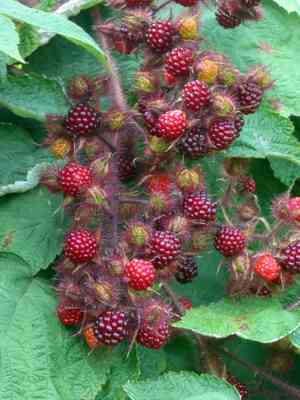
Wineberry offers distinct aesthetic charm through its prominent red fruits and vivid stem hue.
2
Cultivate Wineberry in an area receiving ample sunlight to some shade for best development.
3
Wineberry aids native fauna by supplying sustenance and shelter for avian species and beneficial insects.
Exploring Wineberry's Contribution to Garden Aesthetics
Visual Allure: The Distinctive Look of Wineberry
A prominent characteristic of Wineberry is its singular visual appeal. The plant showcases a striking blend of red fruits set against its deep green foliage. These hues transform with the seasons, introducing a dynamic element to your outdoor space. The clear color contrast can establish focal points in your garden, drawing attention and adding charm to areas that might otherwise go unnoticed.
Seasonal Interest: Continuous Beauty from Wineberry
Wineberry provides beauty throughout the year. Spring and summer feature vibrant green leaves, offering a fresh backdrop for developing berries that turn a stunning red from late summer to early fall. In winter, even after leaf drop, the reddish stems of Wineberry continue to add color to the often dull winter landscape. Thus, incorporating Wineberry ensures your garden remains captivating year-round.
Texture and Color: Enhancing Variety with Wineberry
The texture and color of Wineberry can significantly boost the diversity of your landscape. With its slightly fuzzy leaves, arching stems, and clusters of berries, it adds both visual and tactile interest. Pairing it with plants of contrasting textures, such as smooth-leafed varieties or those with spiky foliage, can create a visually compelling garden design. These contrasts make your garden more engaging and attractive.
Integrating Wineberry into Your Landscape Design
Placement Suggestions: Optimal Locations for Wineberry
When considering where to place Wineberry, factor in the plant's requirements and the visual impact you desire. Wineberry flourishes in full sun to partial shade, making it ideal for borders, woodland edges, or even as a solitary specimen in a sunny spot. It also performs well in slightly acidic, well-drained soil. It's crucial to ensure ample growing space, as it can spread over time.
Companion Planting: Plants That Thrive with Wineberry
To maximize Wineberry's aesthetic and practical benefits, consider companion planting. Plants like ferns, hostas, and spring bulbs pair well, as they thrive in similar soil and light conditions and complement Wineberry's texture and color. These companions can help fill in gaps at Wineberry's base, creating a more lush and unified appearance. Additionally, they foster a more biodiverse environment, benefiting your entire garden.
Landscape Themes: Crafting Harmonious Designs with Wineberry
Wineberry can be a stunning element in various landscape themes. For a native woodland garden, plant Wineberry alongside other native shrubs and wildflowers to create a naturally diverse habitat. If you prefer a cottage garden aesthetic, integrate Wineberry with a mix of perennials and annuals to enhance the informal and colorful design. For a more modern or architectural look, use Wineberry as a structural element, allowing its form and berry clusters to stand out against more minimalistic plantings.
Positive Effects of Wineberry on Local Ecosystems
Supporting Local Wildlife: Wineberry's Contribution
A significant ecological advantage of Wineberry is its capacity to support local wildlife. The plant provides sustenance through its berries, which are a favorite for various bird species. Its dense growth also offers refuge and nesting sites for birds and small mammals. By incorporating Wineberry into your landscape, you're creating a miniature ecosystem that helps sustain and attract beneficial wildlife to your garden.
Improving Soil Health: Wineberry's Role
Wineberry can positively impact soil health. Its root system helps prevent soil erosion by stabilizing the ground. Furthermore, the leaf litter and organic matter that Wineberry sheds as it grows decompose and enrich the soil with valuable nutrients. This process enhances soil fertility and structure, benefiting other plants in your garden.
Eco-Friendly Practices with Wineberry: Sustainability Considerations
Including Wineberry in your garden aligns with eco-friendly and sustainable landscaping practices. By choosing native species like Wineberry, you reduce the need for excessive water, fertilizers, and pesticides, as these plants are already adapted to local conditions. This sustainable approach helps conserve resources and supports local biodiversity, contributing to a healthier and more resilient ecosystem.
Maintaining Wineberry in Your Garden: Practical Advice
Pruning Strategies for Optimal Development
Pruning is crucial for maintaining Wineberry's health and form. Aim to prune Wineberry in late winter or early spring before new growth commences. Focus on removing any dead or damaged canes, which encourages new growth and lessens the risk of disease. Pruning can also be used to shape the plant and manage its size, ensuring it doesn't overshadow nearby plants.
Managing Overgrowth: Keeping Wineberry in Check
Wineberry tends to spread, so controlling overgrowth is vital. Regular monitoring and selective thinning can keep it contained. Cutting back any errant shoots and digging up suckers can prevent Wineberry from encroaching on other garden areas. If it becomes too unruly, more aggressive cutting back can be implemented to maintain its desired shape and size.
Seasonal Care Tips: Ensuring Year-Round Vitality
Seasonal care is important to keep Wineberry thriving. In spring, ensure new growth gets off to a good start with adequate watering and mulching to retain moisture and suppress weeds. During summer, consistent watering becomes crucial, especially in dry spells. In autumn, remove fallen leaves and berries to prevent disease. Winter care involves protection against extreme cold by mulching around the base, which helps insulate the roots.



