How Often Should You Water Your Traveller's palm?
1
During its active growth phase, provide moisture to your Traveller's palm weekly, decreasing the frequency in colder months.
2
Before re-watering, confirm the upper 5-7 cm (2-3 inches) of the soil is arid.
3
To maintain your Traveller's palm's well-being, refrain from using water with elevated salt or chlorine levels.
Grasping the Hydration Requirements of Traveller's palm
The Distinct Moisture Needs of Traveller's palm
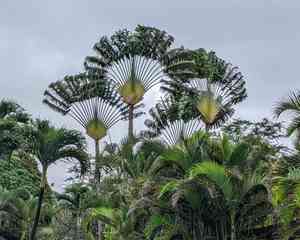
The Traveller's palm (Ravenala madagascariensis) is a striking plant that brings an exotic flair to any garden or indoor setting. Originating from Madagascar, this species thrives in tropical climates and possesses specific water demands crucial for its prosperity. This plant prefers consistently damp soil but cannot endure saturated conditions. It is essential to achieve a balance between maintaining soil moisture and ensuring adequate drainage to prevent root decay.
Indicators of Excessive and Insufficient Watering
Recognizing the signs of overwatering and underwatering can assist in preserving the well-being of your Traveller's palm. Excessive watering can result in yellowing foliage, soft stems, and root rot. Conversely, insufficient watering might cause leaves to turn brown and curl at the edges, eventually leading to leaf drop. By observing these indicators closely, you can modify your watering practices to effectively meet the plant's requirements.
Optimal Watering Practices for Your Traveller's palm
How to Ascertain When to Hydrate Your Traveller's palm
To determine the appropriate moment to water your Traveller's palm, it's crucial to assess the soil's moisture level. Insert your finger approximately 5-7 cm (2-3 inches) into the soil. If it feels dry at this depth, it's time to irrigate. This technique helps prevent overwatering and guarantees the plant receives sufficient hydration. Employing a soil moisture meter can also provide a more precise measurement.
Advice for Proper Irrigation Methods
When watering your Traveller's palm, aim for thorough saturation. Pour water until it begins to exit the pot's base or completely soaks the ground if planted outdoors. This ensures the roots acquire ample moisture. Using lukewarm water, rather than cold, will prevent shocking the plant. Furthermore, water in the morning to allow any surplus moisture on the leaves to evaporate, thereby reducing the risk of fungal ailments.
Seasonal Adjustments in Irrigation Schedule
The watering frequency for Traveller's palm varies with the seasons. During the active growth period (spring and summer), the plant necessitates more frequent wateringâtypically once a week. In autumn and winter, decrease the watering frequency as the plant's growth slows, and the soil retains moisture for longer. Adjusting your watering schedule according to the seasons ensures the plant remains healthy throughout the year.
Common Errors to Avoid When Watering Traveller's palm
Preventing Excessive Moisture Accumulation
A frequent error is allowing too much moisture to collect around the roots of the Traveller's palm. Ensure that the plant pot or garden soil has effective drainage. Utilizing well-draining soil can also help avert waterlogging, which can lead to root decay. Placing pebbles at the pot's bottom or using a saucer to collect surplus water are good practices for maintaining proper drainage.
Understanding the Influence of Container Size and Material
The dimensions and material of the pot you use can significantly affect your Traveller's palm's watering needs. A larger container will hold more soil and, consequently, more moisture, meaning you might need to water less often. Conversely, smaller pots dry out quicker and may demand more frequent irrigation. Additionally, porous pots like terracotta facilitate better moisture evaporation compared to plastic or glazed containers.
Frequently Asked Questions Regarding Traveller's palm Watering
What Occurs if I Overwater My Traveller's palm?
Overwatering your Traveller's palm can result in root rot, which is often irreversible if not detected early. Symptoms include yellowing leaves, an unpleasant odor from the soil, and soft roots. If you suspect overwatering, allow the plant to dry out before watering again and inspect the roots for decay, removing any affected parts.
Can Traveller's palm Endure Arid Conditions?
While Traveller's palm prefers consistently moist soil, it can survive brief periods of dryness once established. However, prolonged water deprivation can lead to issues such as leaf browning and stunted development. It is best to avoid letting the plant completely dry out to maintain its health and vibrant appearance.
How Does Water Quality Impact Traveller's palm?
Water quality plays a vital role in the health of your Traveller's palm. Tap water high in salts, chlorine, or fluoride can cause leaf tip burn and other problems. Using distilled or rainwater can help alleviate these issues. If tap water is your sole option, let it sit for 24 hours before use to allow chemicals to dissipate.



