Optimal Fertilizer for Growing Traveller's palm: What You Need to Know
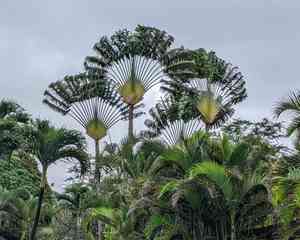
1
The Traveller's palm thrives on fertilizers having an equal N-P-K proportion of 20-20-20.
2
Refrain from feeding the Traveller's palm during its inactive winter period.
3
Yellowing foliage and inhibited development are common indicators of nutrient shortage in Traveller's palms.
Understanding Fertilizer Needs of Traveller's palm
Nutrient Requirements for Robust Growth
For a strong and flourishing Traveller's palm, comprehending its specific nutritional demands is vital. These tropical plants thrive best with balanced nutrient intake, especially focusing on Nitrogen (N), Phosphorus (P), and Potassium (K), often called the N-P-K ratio. Nitrogen is key for foliage development and overall plant vitality, while Phosphorus aids root growth and flowering. Potassium, conversely, boosts the plant's disease resistance and tolerance to environmental stress. To optimize growth and health, a balanced fertilizer with an equal N-P-K ratio of 20-20-20 is frequently advised.
Signs of Nutrient Deficiency in Traveller's palm
Identifying nutrient deficiencies early can prevent lasting harm to your Traveller's palm. Common indicators include yellowing leaves, particularly older ones, often signaling a nitrogen shortage. Stunted development and poor new leaf formation might suggest a lack of phosphorus, whereas brown leaf tips frequently point to insufficient potassium. By regularly observing your plantâs foliage and growth patterns, you can spot these signs promptly and address them with suitable fertilization.
Choosing the Right Fertilizer for Traveller's palm
Types of Fertilizers Available
When selecting fertilizers for your Traveller's palm, the choices can be overwhelming. Common varieties include granular, liquid, and slow-release fertilizers. Granular fertilizers are spread on the soil surface and require watering in, providing a gradual release of nutrients over time. Liquid fertilizers, typically mixed with water, offer immediate absorption by plant roots, ideal for a quick nutrient boost. Slow-release fertilizers, often coated to dissolve slowly, ensure a steady nutrient supply over an extended period. Each type has advantages and disadvantages, and your selection should depend on your plantâs specific needs and your gardening practices.
Organic vs. Synthetic Fertilizers: What's Best?
The discussion between organic and synthetic fertilizers is common among gardeners. Organic fertilizers, derived from natural sources like compost, bone meal, and fish emulsion, enhance soil health and fertility over time. They are less likely to cause nutrient burn and help build a healthy soil ecosystem. Synthetic fertilizers, conversely, are formulated for immediate plant availability and are more predictable in their nutrient content and effect. For Traveller's palm, a balanced approach can be beneficial: combining the long-term soil health advantages of organic fertilizers with the immediate nutrient availability of synthetic ones.
Steps to Fertilize Traveller's palm
Preparation for Fertilization
Before applying any fertilizer, it's crucial to prepare both the plant and the soil. Begin by thoroughly watering your Traveller's palm a day prior to fertilizing. This practice ensures that the roots are moist and can efficiently absorb nutrients. Also, check the soil pH, aiming for a slightly acidic to neutral range (6.0-7.0), as this pH range makes nutrients more accessible to the plant. If necessary, amend the soil to achieve the optimal pH.
Correct Application Techniques
When itâs time to fertilize, follow these steps for proper application: For granular fertilizers, evenly distribute the recommended amount around the plant's base, then gently mix it into the top layer of soil. Water the area thoroughly to help nutrients penetrate the root zone. If using liquid fertilizers, dilute according to instructions and apply evenly around the plant's base. Slow-release fertilizers should be applied as per the manufacturerâs directions, ensuring even distribution over the soil surface. Avoid direct contact with the plant's stem to prevent fertilizer burn.
Post-Fertilization Care
After fertilizing, it's vital to maintain proper care to maximize benefits. Water the plant regularly, as consistent moisture aids nutrient absorption. Monitor the plant for any signs of over-fertilizing, such as leaf burn or salt accumulation on the soil surface, and flush the soil with water if needed. Additionally, continue to periodically check the soil pH and adjust your feeding regimen based on the plantâs response.
Best Times to Fertilize Traveller's palm Throughout the Year
Seasonal Fertilization Recommendations
The ideal time to fertilize Traveller's palm is during its active growth period in the summer. During this season, fertilize every 4-6 weeks to support vigorous growth and development. In the spring and fall, you can reduce the frequency to once every 2-3 months, as the plant's growth rate slows. Itâs best to avoid fertilizing in winter when the plant is dormant and not actively growing.
Monitoring Plant Response
Always observe how your Traveller's palm reacts to fertilization. Healthy, vibrant leaves and consistent new growth are good indicators that your fertilization routine is effective. If you notice any negative effects, such as leaf discoloration or stunted growth, reevaluate your fertilizing schedule, fertilizer type, or the amount youâre using. Adjusting based on the plantâs feedback ensures you provide the best possible care for your Traveller's palm.



