How to Prune Traveller's palm?
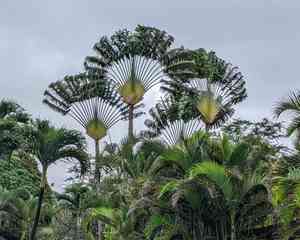
Hailing from Madagascar, the traveller's palm displays a fan-shaped cluster of wide leaves, reminiscent of an unfolded fan. Essential trimming for the traveller's palm entails excising withered or compromised fronds and depleted flower stems, thereby boosting the plant's vitality and visual attractiveness. This maintenance should occur from the beginning of spring through late autumn, coinciding with the plant's period of vigorous development. Care should be taken to prevent the over-removal of healthy foliage, as this could hinder the process of photosynthesis and overall growth. Prompt trimming preserves the plant's distinctive structure and can avert potential harm from falling detritus.
What Are the Benefits of Pruning Traveller's Palm?
What Are the Benefits of Pruning Traveller's Palm?
Trimming traveller's palm promotes robust development and helps maintain its desired shape, ensuring it remains an appealing landscape feature.
What Is the Best Time for Pruning Traveller's Palm?
What Is the Best Time for Pruning Traveller's Palm?
Pruning from early spring through late fall benefits traveller's palm as this is its active growth period. Early spring pruning minimizes cold damage risk and encourages new growth resilient to the growing season. Late fall pruning is also suitable, preparing traveller's palm for dormancy by removing dead or diseased fronds before they can spread disease in humid winter conditions. Avoiding pruning during flowering ensures the plant's energy focuses on healthy growth and reproduction.
What Tools Do I Need to Prune Traveller's Palm?
Sharp Bypass Pruners
Perfect for making precise cuts on smaller stems and branches of traveller's palm, aiding rapid recovery.
Loppers
Optimal for reaching higher or deeper sections of traveller's palm and providing leverage for cutting thicker branches.
Pruning Saw
Necessary for removing larger branches of traveller's palm that are too thick for loppers.
Pole Pruner
Useful for trimming elevated fronds of traveller's palm without needing a ladder, enhancing safety.
Gardening Gloves
Protects hands from sharp edges and sap when pruning traveller's palm.
Safety Goggles
Shields eyes from debris while cutting branches and fronds of traveller's palm.
How to Prune Traveller's Palm
Step1: Preparing Pruning Equipment
Gather appropriate pruning tools, which should be sharp, clean, and disinfected shears or a saw. Gloves and safety glasses are also advised for personal protection when handling traveller's palm.
Step2: Assessing Plant Health
Examine traveller's palm closely to identify parts needing trimming, such as dead leaves, diseased branches, and brown fronds. Look for any discoloration, wilting, or signs of infection.
Step3: Removing Dead Leaves
Begin pruning by removing dead leaves. Cut the dead leaf stems (petioles) near their base where they emerge from the trunk. Make clean, slightly angled cuts to prevent water accumulation.
Step4: Pruning Diseased Branches and Fronds
If diseased branches or brown fronds are present, prune them back to healthy tissue. Cut just above a node or junction to promote proper healing and new growth. Avoid leaving stubs that can attract pests or disease.
Step5: Shaping and Balancing
While pruning, shape traveller's palm for aesthetic appeal and to encourage a balanced structure. Only remove what is essential for health and form; avoid excessive pruning as it can stress the plant.
Step6: Disposal of Pruning Debris
Properly dispose of all pruned materials, as diseased leaves or branches can be a source of infection if left in the area.
Step7: Tool Sanitization Post-Pruning
Clean all tools used for pruning traveller's palm after the task to prevent the spread of any potential diseases to other plants.
Step8: Post-Pruning Plant Care
Finally, water traveller's palm appropriately and provide any necessary nutrients to aid its recovery from pruning and encourage healthy growth.
Post-Pruning Care for Traveller's Palm
Post-Pruning Care for Traveller's Palm
After pruning traveller's palm, water immediately to encourage healing. Manage light exposure, ensuring partial shade to prevent sun scald, maintain high humidity, and keep temperatures between 65-85°F. Apply a balanced liquid fertilizer to support regrowth. Regularly check for wilting or discoloration, which indicates stress or infection. If issues arise, adjust care and consult a plant pathologist if needed for targeted treatment.
Common Pruning Mistakes with Traveller's Palm
Over-pruning Stress and Plant Damage
Excessive pruning can stress traveller's palm, leading to stunted growth or even death. Removing too many leaves or cutting the stem carelessly can be harmful.
Impacts of Dull or Dirty Pruning Tools
Using blunt or unclean cutting tools can result in ragged cuts, making traveller's palm more vulnerable to diseases and pests.
Ignoring Natural Growth Patterns
Pruning without understanding the natural growth pattern of traveller's palm, such as its fan-like leaf arrangement, can lead to an unattractive appearance and hinder the plant's natural development.
Detrimental Effects of Cutting Green Leaves
Removing green, unopened leaves not only diminishes aesthetic value but also impairs the plant's ability to photosynthesize effectively.
Common Pruning Tips for Traveller's Palm
Ensuring Clean Cuts with Sharp Tools
Utilize sharp, clean pruning shears or a saw to make precise cuts, which will help traveller's palm heal faster and lower disease risk.
Strategic Removal of Dead or Damaged Leaves
Identify and remove dead or damaged leaves first, cutting as close to the stem as possible without harming it, to maintain the health and appearance of traveller's palm.
Respecting Plant's Natural Symmetry in Aesthetic Pruning
When pruning for aesthetic reasons, adhere to the natural symmetry of traveller's palm's fan shape, and avoid removing healthy leaves unless essential for the plant's form.
Debris Cleanup to Prevent Fungal Growth and Pests
After pruning, clear away all debris to prevent fungal growth or pest infestation, which can impact the health of traveller's palm.
Seeking Professional Help for Large Pruning Jobs
If traveller's palm is too large or the pruning task seems overwhelming, consider hiring a professional arborist for assistance to ensure proper care and shaping.



