How to Overwinter Traveller's palm
1
Traveller's palm needs temperatures exceeding 10°C (50°F) to prevent harm from cold.
2
Keeping indoor humidity elevated assists Traveller's palm in flourishing through winter.
3
Applying organic mulch can greatly safeguard Traveller's palm roots when grown outdoors.
Why Traveller's palm Requires Winter Protection
Why Traveller's palm Requires Winter Protection
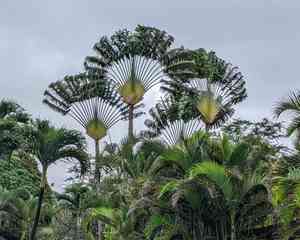
Hailing from Madagascar, the Traveller's palm is a striking tropical specimen. Its expansive, paddle-shaped leaves and distinctive fan-like form make it a gardener's favorite. However, this plant is sensitive to frost, meaning it does not endure low temperatures well. In areas where winter temperatures fall below 10°C (50°F), taking specific measures to protect your Traveller's palm during winter is crucial. This ensures your plant survives the cold season and flourishes once warmer weather returns.
Preparing Traveller's palm for Winter
Trimming and Cleaning the Plant
Before the onset of cold weather, trimming and cleaning your Traveller's palm are vital. Begin by removing any dead or damaged foliage, which can attract pests and diseases. Utilize clean, sharp pruning shears for precise cuts. Additionally, wipe the leaves with a damp cloth to eliminate dust and debris, promoting better light absorption and reducing the likelihood of fungal development.
Checking for Pests and Diseases
Carefully examine your Traveller's palm for any indications of pests or diseases. Frequent issues include mealybugs, scale insects, and spider mites. If you detect any infestations, treat them prior to relocating the plant indoors or preparing it for outdoor wintering. Use a gentle insecticidal soap or neem oil, following instructions meticulously to prevent plant harm.
Adjusting Watering Schedules
As temperatures decrease, the watering requirements of your Traveller's palm will change. Reduce watering frequency, ensuring the top few centimeters (inches) of soil dry out between waterings. Excessive watering during winter can result in root rot, so it is essential to keep the soil slightly drier while still maintaining some moisture for the plant's health.
Indoor Wintering Techniques for Traveller's palm
Selecting the Appropriate Indoor Spot
When bringing your Traveller's palm indoors, choose a location that receives ample bright, indirect light. East or south-facing windows are ideal. Avoid positioning the plant near drafts or heating vents, as abrupt temperature shifts can stress the plant.
Indoor Lighting and Humidity Needs
Adequate lighting and humidity are essential for indoor wintering. If natural light is insufficient, consider using grow lights as a supplement. Traveller's palms prefer high humidity levels, so employ a humidifier or place a tray of water with pebbles near the plant to increase atmospheric moisture.
Monitoring Temperature Conditions
Keep a close watch on indoor temperatures to ensure they remain above 10°C (50°F). Traveller's palms do not tolerate cold drafts, so check for any cold air leaks around windows and doors. A stable temperature will help prevent stress and potential damage to your plant.
Outdoor Wintering Advice for Mild Climates
Using Mulch for Insulation
If you reside in a region with mild winters, you can leave your Traveller's palm outdoors with additional protection. Apply a thick layer of mulch, such as straw or wood chips, around the plant's base. This will help insulate the roots and keep them warm during colder nights.
Protecting the Plant from Frost
In areas prone to occasional frost, cover your Traveller's palm with a frost cloth or burlap when frost is predicted. Ensure the cover is secure and extends to the ground to trap heat emanating from the soil.
Creating Wind Barriers
Strong winds can harm your Traveller's palm, so consider constructing wind barriers. Use stakes and fabric to form a windbreak around the plant, lessening the wind's impact and maintaining a warmer microenvironment.
Common Errors to Avoid When Wintering Traveller's palm
Overwatering During Inactivity
One of the most frequent errors is overwatering your Traveller's palm during winter. Remember that the plant's growth slows, requiring less water. Too much moisture can lead to root rot and other issues.
Ignoring Signs of Pest Infestation
Even indoors, pests can infiltrate and infest your plant. Regularly inspect your Traveller's palm for signs of pests and act promptly if you notice any. Early intervention can prevent a minor problem from escalating.
Insufficient Temperature Regulation
Ensure your indoor temperatures are stable and above the recommended minimum. Sudden drops in temperature, or exposure to cold drafts, can cause significant stress and harm to the plant.



