Optimal Soil for Growing Traveller's palm: What You Need to Know
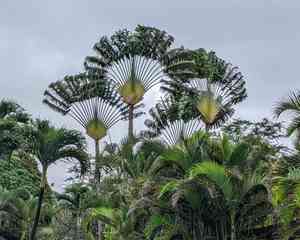
1
The Traveller's palm flourishes in substrate abundant in organic material, replicating its native environment in Madagascar.
2
The optimal soil pH for the Traveller's palm ranges from slightly acidic to neutral, specifically between 6.5 and 7.5.
3
Sufficient drainage is vital to avert root decay in the Traveller's palm. Confirm your soil blend allows for good water runoff.
The Importance of Soil for Traveller's Palm
Nutrient Provision
Soil serves as the primary source of nourishment for plants. For Traveller's palm, a nutrient-rich substrate is vital for vigorous development and vibrant foliage. This plant needs a blend of macro and micronutrients to thrive. Nutrient shortages can result in stunted growth and dull leaves, making the soil choice crucial for long-term health.
Moisture Retention
Moisture retention is another critical aspect of soil for Traveller's palm. This plant prefers soil that holds sufficient water to keep roots hydrated but not so much that it becomes waterlogged. Loamy soil, which retains moisture yet drains effectively, is ideal. Proper water retention ensures the plant stays healthy, especially during dry periods.
Root Development
Robust root development forms the basis of a flourishing Traveller's palm. The soil must be loose and well-aerated to allow roots to expand and absorb nutrients efficiently. Compacted or heavy clay soils can impede this process, leading to poor root health and an unstable plant structure.
Optimal Soil Composition for Traveller's Palm
Loamy Soil Blends
Loamy soil is a balanced mix of sand, silt, and clay. This soil type is perfect for cultivating Traveller's palm as it offers the right equilibrium of drainage and nutrient retention. You can create your loamy soil by combining equal parts garden soil, coarse sand, and organic compost. This mixture ensures your plant receives adequate water and nutrients while preventing waterlogging.
pH Levels
The soil's pH level significantly impacts nutrient availability for plants. Traveller's palm prefers a slightly acidic to neutral pH, ranging from 6.5 to 7.5. You can test your soil's pH using a home kit or by sending a sample to a local extension service. If pH adjustment is needed, add lime to increase alkalinity or sulfur to increase acidity.
Organic Matter
Incorporating organic material, such as compost or well-rotted manure, into your soil is essential for Traveller's palm. Organic matter enhances soil structure, aeration, and nutrient availability. It also improves the soil's capacity to retain moisture and supports beneficial microbial activity, which is vital for your Traveller's palm's health.
Preparing Soil for Traveller's Palm
Blending Soil Types
Creating the perfect soil mix for Traveller's palm involves combining various soil types. Begin with a loam base and add components like coarse sand for drainage and organic compost for nutrients. Aim for soil that feels crumbly yet has enough substance to hold moisture. The goal is to achieve the right balance to mimic the plant's natural tropical habitat.
Soil Amendments
Amending soil means improving its structure and fertility. For Traveller's palm, you can add organic amendments such as leaf mold, peat moss, or coconut coir to boost moisture retention and nutrient content. Inorganic amendments like perlite or vermiculite can enhance drainage. Mix these amendments thoroughly into the existing soil to create an optimal growing medium.
Ensuring Adequate Drainage
Good drainage is crucial to prevent waterlogging and root rot in Traveller's palm. If your garden soil tends to retain too much water, consider planting the palm in a raised bed or adding gravel at the base of the planting hole. When using pots, ensure they have drainage holes and use a well-draining potting mix. Consistently monitor soil moisture levels, especially after watering.
Common Soil Issues and Remedies
Compaction Problems
Soil compaction impedes root growth and water infiltration. To alleviate compaction, regularly aerate the soil around your Traveller's palm using a garden fork or aeration tool. Adding organic matter can also help loosen compacted soil, improving aeration and root penetration.
Nutrient Deficiencies
Nutrient shortages in soil can manifest as yellowing leaves and stunted growth in Traveller's palm. Regularly test your soil and enrich it with balanced fertilizers or organic compost. Foliar feeding, applying liquid fertilizer directly to the leaves, can also provide a quick nutrient boost.
Overwatering Effects
Excessive watering can lead to root rot and other fungal diseases in Traveller's palm. Ensure your soil has good drainage and avoid watering until the top 2-3 centimeters (about 1 inch) of soil are dry. Mulching can help maintain consistent soil moisture levels without overwatering.
Seasonal Soil Care Advice for Traveller's Palm
Spring and Summer
During the active growth period, Traveller's palm requires more frequent watering and fertilization. Apply a layer of organic mulch to conserve moisture and suppress weeds. Closely monitor soil moisture and adjust watering routines as needed. Regularly enrich the soil with compost or a balanced fertilizer to support vigorous growth.
Fall and Winter
In autumn and winter, Traveller's palm enters a slower growth phase. Reduce watering frequency but ensure the soil doesn't completely dry out. Avoid fertilizing during this time to prevent salt buildup in the soil. Check for and remove any fallen leaves around the base to prevent pests and diseases.



