How Often Should You Water Your Cowslip?
1
Provide water to your Cowslip weekly, though modify according to surrounding conditions.
2
Excessive watering may result in root decay, whereas insufficient watering can induce drooping.
3
Apply a layer of mulch to aid in soil moisture retention and temperature control.
Grasping Cowslip Hydration Requirements
The Perfect Moisture Level for Cowslip
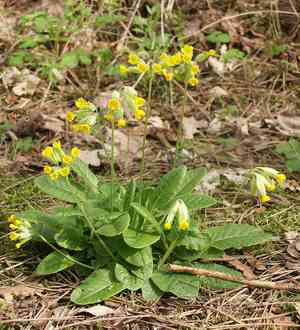
The Cowslip, recognized for its vibrant yellow blooms and leafy rosette, flourishes in damp yet well-drained earth. Achieving the correct moisture equilibrium is vital for robust development. The soil should feel damp to the touch but not saturated. It's beneficial to irrigate your Cowslip weekly, providing a thorough drenching to reach the root zone. Regarding measurement, aim for soil moisture where the top 5-10 centimeters (2-4 inches) are moist.
Seasonal Watering Modifications
Hydrating your Cowslip isn't a uniform task â it varies with the seasons. During the active growth period in spring and summer, when temperatures rise and evaporation rates increase, you might need to water more often. However, as Cowslip enters its dormant phase in autumn and winter, decrease watering frequency to prevent waterlogging, which can harm the plant. In colder regions, the plant may only require minimal winter watering to avoid soggy soil.
Indicators of Excessive and Insufficient Watering
Observing your Cowslip for signs of over or under-watering is crucial for its well-being. Overwatered Cowslip will show yellowing foliage, soft stems, and potentially suffer from root rot due to surplus moisture. Conversely, if your Cowslip isn't receiving enough water, you'll notice wilting, dry and brittle leaves, and stunted growth. Adjust your watering regimen accordingly to promptly address these issues.
Practical Watering Methods for Cowslip
Selecting the Appropriate Watering Implements
Utilizing the correct tools can significantly impact the effectiveness of your Cowslip's watering. A watering can with an extended spout allows precise water delivery to the plant's base, preventing wetting of the leaves, which can promote fungal growth. Alternatively, a soaker hose can provide gentle, consistent watering directly to the soil.
Optimal Time of Day to Water Cowslip
The most suitable time to water your Cowslip is in the early morning. Watering at this hour enables the plant to absorb moisture before the day's heat causes rapid evaporation. Morning irrigation also allows foliage to dry, reducing the risk of fungal diseases. Avoid evening watering as prolonged dampness can encourage the proliferation of harmful pathogens.
How to Water Young vs. Mature Cowslip
Young Cowslip plants, especially those recently transplanted, demand more frequent watering to aid in root system establishment. Ensure the soil remains consistently moist, but not waterlogged, during this phase. Established Cowslip plants possess more resilient root systems and thus require less frequent watering. However, they still benefit from a thorough soaking, allowing moisture to penetrate deep into the soil.
Maintaining Ideal Soil Conditions for Cowslip
Soil Type and Drainage Significance
The soil type and its drainage capacity greatly influence how often you should water your Cowslip. Optimal soil for Cowslip is loamy, rich in organic matter, and well-drained. Poor drainage can lead to waterlogging, so if your soil is heavy clay, consider amending it with sand or compost to enhance aeration and drainage.
Employing Mulch for Moisture Retention
Mulching is an effective strategy to help retain soil moisture and maintain stable soil temperatures for your Cowslip. Apply a layer of organic mulch, such as straw or shredded leaves, around the plant's base, ensuring it's about 5 centimeters (2 inches) thick. This helps reduce evaporation, suppresses weeds, and can contribute to improved soil health as it breaks down.
Adjusting Soil pH for Cowslip Vitality
Optimizing soil pH is critical for Cowslip health. These plants prefer a slightly acidic to neutral pH range, approximately 6.0 to 7.0. Test your soil pH using a simple home testing kit. If adjustments are necessary, add lime to increase the pH or sulfur to decrease it. Proper pH levels ensure that your Cowslip can absorb essential nutrients effectively, supporting overall plant health and vigor.



