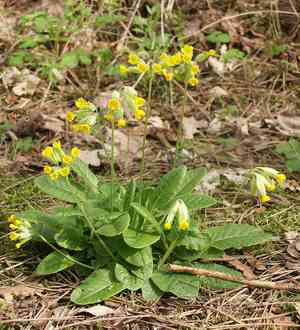
Cowslip(Primula veris)

Cowslip (Primula veris)

Also known as: Common cowslip, Mayflower

The dandelion is a flowering perennial frequently seen in cow pastures. Its presence in such areas made it a common sight and a useful plant. Historically, it was utilized for both culinary purposes and wine production.

Attributes of Cowslip

Lifespan
Perennial
Plant Type
Herb
Plant Height
25 cm
Spread
25 cm
Leaf Color
Green
Flower Size
9 mm to 1.5 cm
Flower Color
Yellow Orange Gold

ForwardPlant - Identify plants with a snap

Identify and diagnose plants, get toxicity alerts, and explore safety guides for all types of fungi.

Try for Free

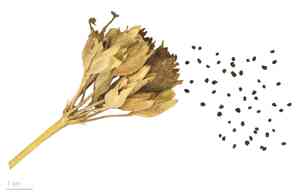
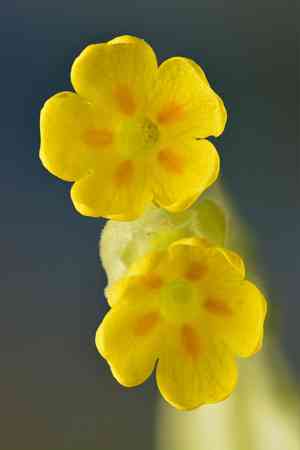
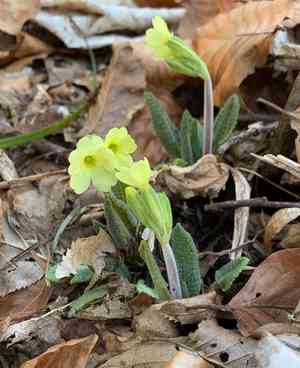
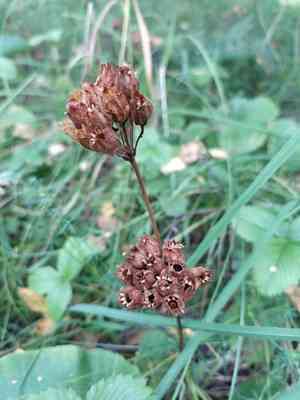
Images of Cowslip

Cowslip(Primula veris)

Quickly Identify Cowslip

1
Vibrant yellow, bell-shaped flowers measuring 0.4-0.6 inches (10-15 mm) across.
2
Soft, fuzzy, oblong leaves up to 5 inches (12 cm) long, forming a basal rosette.
3
Flowers are tubular, bright yellow, with a flaring, five-lobed corolla in an umbel arrangement.
4
Leaves have fine hairs, toothed edges, and prominent veins, creating a woolly, textured appearance.
5
Distinctive spring blooms with a light fragrance, clustered atop erect stems reaching 6-12 inches (15-30 cm).

Scientific Classification of Cowslip

Phylum
Vascular plants
Class
Dicotyledons
Order
Heathers and allies
Family
Primrose
Genus
Primroses
Species
Cowslip

Planting and Growing of Cowslip

Care Difficulty
Easy
Watering Schedule
Every 3 days
Sunlight Requirements
Partial sun
Sunshine Duration
4-8 hours
Ideal Temperature
59-68℉
Soil Type
Potting Mix, Peat Mix
Soil pH
6.5-7.5
Fertilizer Type
Balanced
Pruning Season
Spring, Summer
Pruning Area
Branches, Leaves
Pruning Frequency
2 times a year
Repotting Season
Spring
Pot Type
Plastic, Ceramic

water icon How to Water Cowslip?

For Primula veris, watering should ensure the soil is evenly moist. Pour approximately 250 ml of water per session, allowing the water to reach the root zone but avoiding waterlogging. This ensures the plant roots have adequate moisture without promoting rot.
What are the symptoms of an underwatered Cowslip? ›
What should I do if my Cowslip is not getting enough water? ›
What are the symptoms of an overwatered Cowslip? ›
How to save an overwatered Cowslip? ›
More About Watering Techniques→

sunlight icon What Are the Sunlight Requirements for Cowslip?

Sunlight Requirements: Partial sun, Full sun
Duration of light: 4 to 6 hours
Primula veris prospers in partial sun or filtered light conditions, providing a balance that promotes lush growth and vibrant blooms by facilitating proper photosynthesis and maintaining plant moisture.
What is the ideal lighting exposure for Primula veris? ›
How can I achieve and maintain optimal lighting for Primula veris? ›
What are the benefits of providing ideal lighting conditions for Primula veris? ›
More About Sunlight Requirements Techniques→

temperature icon What Is the Ideal Temperature Range for Cowslip?

Ideal Temperature: 59 ~ 68℉
Primula veris thrives in moderate climates where temperatures range between 59°F and 68°F. These conditions resemble its native habitat in Europe, allowing it to flourish with vibrant blossoms. Maintaining this temperature range ensures healthy growth and prolonged flowering periods.

soil icon What Soil is Best for Cowslip?

Soil type: Loam, Sandy loam, Calcareous soil
Soil PH: 6.5 ~ 7.5
Primula veris thrives in well-drained soil as it ensures that the roots do not remain waterlogged, which can lead to rot. The well-drained condition is crucial for promoting healthy root development and preventing fungal infections. This plant prefers soil with a moderate amount of nutrients which provides a balance necessary for optimal growth. A soil rich in organic matter supports the vigorous production of vibrant flowers. Primula veris desires soil that retains some moisture without becoming waterlogged. This moisture availability ensures ongoing hydration to support lush foliage and sustained flowering, especially during dry spells. More About Soil→

fertilize icon How to Fertilize Cowslip?

Fertilizer type: Balanced
Primula veris requires a balanced approach to fertilization. Use a diluted liquid fertilizer at half the recommended strength to avoid nutrient burn. Avoid over-fertilizing as this can harm the plant's roots and lead to poor growth. More About Fertilizing Techniques→

prune icon How to Prune Cowslip?

Pruning Time: Spring, Summer, Autumn
Choose the right tools for pruning, such as bypass pruners for precise cuts and clean edges. Disinfect the tools before and after use to prevent the spread of disease. Keeping your tools in good condition ensures they cut efficiently and do not damage the plant during the pruning process. After pruning, monitor the plant closely for signs of stress or infection. Hydrate the soil adequately but avoid overwatering, as fresh cuts can be vulnerable to fungal infections in overly moist conditions. Applying a balanced fertilizer can support recovery and flowering, but avoid excessive use to prevent nutrient burn. More About Pruning Techniques→

propagate icon How to Propagate Cowslip plant?

Propagate Time: Spring, Early spring
1
Fill the seed trays with a well-draining seed starting mix. Slightly moisten the mix and lightly firm it down to provide a smooth surface for sowing Primula veris seeds.
2
Scatter Primula veris seeds over the prepared seed tray surface. Do not bury them too deeply. Lightly press them into the soil, as they need light to germinate.
3
Use a garden trowel to gently lift the mature Primula veris plant. Carefully separate the plant into smaller clumps ensuring each has ample roots and shoots for successful replanting.
More About Propagating Techniques→

repot icon How to Repot Cowslip plant?

Repotting frequency: Every 2-3 years
1
Primula veris requires repotting when you notice that the plant is becoming root-bound or its growth is noticeably stunted. This typically happens every two to three years. Look for roots coming out of the drainage holes at the bottom of the pot or if the soil dries out rapidly after watering.
2
Choose a pot that is slightly larger than the current one. Ideally, it should be just one size up to encourage healthy root growth while preventing waterlogging. A pot with good drainage holes is crucial to prevent the roots from rotting and ensures that excess water is easily expelled.
3
Opt for a well-draining compost mix that is slightly acidic and rich in organic matter. Such a soil type provides the essential nutrients Primula veris requires while ensuring adequate drainage, thereby preventing issues like root rot or overly compacted soil.

ForwardPlant - Identify plants with a snap

Find the best spots for them to optimize their health, simply using your phone.

Try for Free

Toxicity of Cowslip

Is Cowslip toxic to humans?

Cowslip exhibits a low level of toxicity and has the potential to trigger allergic reactions in humans. Interaction with any portion of the plant, whether through physical contact or consumption, may result in poisoning. The entirety of the plant is deemed toxic, and individuals who come into contact with it might undergo a variety of symptoms. These symptoms can manifest as skin irritations or dermatitis resulting from touching the plant, as well as gastrointestinal issues like nausea, vomiting, or diarrhea if any part is ingested. It is crucial for people to exercise caution and prevent accidental consumption of cowslip, given that every segment of the plant can lead to harmful effects.

Identify toxic plants for your safety

Learn which plants are harmful to you and your pets, and make informed choices for a safer home!

Try for Free
WARNING
The judgment on toxicity and danger is for reference only. We DO NOT GUARANTEE any accuracy of such judgment. Therefore, you SHALL NOT rely on such judgment. It is IMPORTANT TO SEEK PROFESSIONAL ADVICE in advance when necessary.
More About Toxic Techniques→