How to Transplant Cowslip?
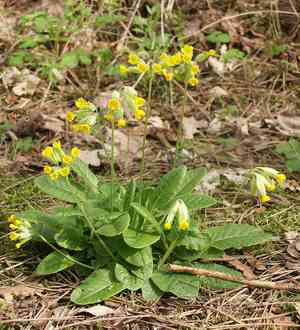
The most favorable time for transplanting cowslip is from the middle to the end of spring, as the climate is temperate, fostering effective root development. Select a location with partial shade and soil that drains efficiently. Should it be required, carefully separate the root mass to stimulate expansion.
Essential Preparations Before Relocating Cowslip
Optimal Timing for Cowslip Relocation?
Choose mid-spring for moving cowslip. This period offers consistent temperatures and adequate rainfall, vital for root development. Such timing ensures cowslip flourishes, providing a strong start in its new spot. With mild weather supporting its growth, cowslip will establish itself smoothly, promising abundant blooms in its perennial cycle.
Recommended Spacing Between Cowslip Plants?
Dear aspiring gardener, when placing your cowslip, maintain a distance of approximately 1-2 feet (30-60 cm). This provides ample room for growth and prevents overcrowding, which could impede their development. Happy Gardening!
Ideal Soil Blend for Cowslip Transplanting?
It's crucial to prepare a suitable 'home' - soil for your cowslip prior to transplanting. They thrive in well-drained, fertile soil enriched with compost (or organic matter) as a foundational fertilizer for optimal initial growth.
Where to Replant Your Cowslip?
When selecting a location for your cowslip, pick one that receives ample sunlight, but also offers partial shade. They enjoy a daily mix of sun and shade. Best of luck!
Equipment Needed Before Transplanting Cowslip
Gardening Gloves
To safeguard your hands while handling soil and the plant.
Shovel or Spade
For excavating soil at both the original and new plant sites.
Garden Trowel
For scooping or shifting small quantities of soil.
Root Pruning Shears
To trim any broken or damaged roots during plant relocation.
Watering Can or Garden Hose
Crucial for hydrating the cowslip plant throughout the transplanting process.
Compost or Organic Matter
To supply additional nutrients to the cowslip plant's new environment.
Bucket or Wheelbarrow
For transporting the cowslip plant to its new position.
Gardening Fork
For loosening the soil around the plant, depending on its current surroundings.
How to Extract Cowslip from the Soil?
How to Extract Cowslip from the Soil?
From Ground: Lightly water the cowslip plant to moisten the soil, aiding in the digging process. Use a shovel or spade to create a wide trench around the plant, ensuring not to sever the root system. Carefully work the spade beneath the root ball to lift the plant from its initial spot.From Pot: Water the cowslip plant to facilitate easier removal. Gently tilt the pot, if its size permits. If the plant is stuck, you might need to tap the pot's edges to loosen the soil and roots. Extract the plant with a firm yet gentle grip, being careful not to harm the root system.From Seedling Tray: Water the trays so seedlings slide out more easily. Gently grasp the top of the cowslip plant, invert the tray, and give it a soft tap until the seedlings emerge.
Detailed Guide for Transplanting Cowslip
Preparation
Begin by watering the cowslip plant at its current location before starting the transplanting process. This will simplify removal and reduce transplant shock.
Digging
Using your spade or shovel, excavate a hole in the new spot. The hole should be twice the width of the root ball and equally deep.
Placement
Position the plant in the hole, ensuring the top of the root ball is level with the surrounding soil.
Backfilling
Refill the hole with soil, gently firming it around the base of the cowslip plant. Avoid compacting the soil excessively as this can harm the roots.
Watering
Thoroughly water your cowslip plant after planting to ensure the soil settles properly around the roots.
Post-Transplant Care for Cowslip
Monitoring
Keep a close watch on your newly transplanted cowslip plant. It may require some time to recover from the move and begin new growth.
Watering
Ensure the soil remains damp but avoid overwatering, which can lead to root rot.
Pruning
If your cowslip plant's leaves start to droop after a few days, trim back the foliage to alleviate stress on the roots.
Protection
Apply mulch to retain moisture and help keep the roots cool during warm weather. Remove any weeds that might compete with your cowslip plant for nutrients.
Resolving Common Issues with Cowslip Transplantation.
When is the ideal season to transplant cowslip?
The prime time to transplant cowslip is during late spring to early summer (S2-S3). This period offers the most benefit for the plant's relocation.
What is the appropriate spacing to maintain when transplanting cowslip?
Ideally, you should position cowslip 1-2 feet (30-60 cm) apart. This provides each plant ample room to grow and thrive without competing for water and nutrients.
What should I do if cowslip shows signs of wilting after transplanting?
Wilting may indicate transplant shock. Keep the soil moist, provide shade, and refrain from fertilizing until the plant has fully recovered.
Can I transplant cowslip in full sun?
Avoid full sun when transplanting cowslip. This plant prefers partial shade; an overly sunny location might cause the leaves to scorch.
What to do if the transplanted cowslip doesn't seem to be growing?
Cowslip may need time to adapt to its new surroundings. Ensure it's watered regularly without being waterlogged, has adequate nutrients, and proper spacing.
What type of soil is best for cowslip when transplanting?
Cowslip thrives in well-draining, humus-rich soil. Additionally, the soil's pH should be neutral to slightly acidic to promote healthy growth.
Should I use a fertilizer when transplanting cowslip?
Yes, apply a light, slow-release fertilizer when transplanting cowslip. This will supply the necessary nutrients for adaptation to the new conditions.
How should I prepare the transplant hole for cowslip?
The hole should be twice as wide and the same depth as the cowslip's root ball. This allows the roots to spread and grow easily.
How often should I water cowslip after transplanting?
You should keep the soil consistently moist, but not saturated. Check the soil frequently, watering when the top 1 inch (2.5 cm) becomes dry.
How to deal with pests or diseases on transplanted cowslip?
If you observe pests or disease, treat cowslip with an organic or chemical fungicide or pesticide. Also, avoid overwatering as it encourages root rot.



