How to Propagate Cowslip?
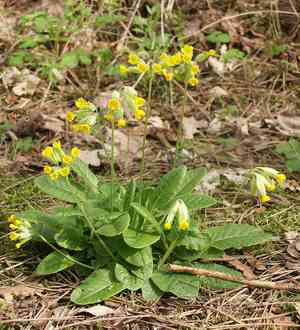
This herbaceous perennial is recognized for its groupings of aromatic yellow blossoms. For effective propagation, cowslip is generally seeded indoors within a cold frame. Starting with sterile and new seed compost aids in cultivating vigorous seedling development. Following seeding, ensure continuous dampness without waterlogging, and provide mild warmth. Once the young plants appear and reach a size suitable for handling, re-pot them individually. This offers the developing plants sufficient room to establish a strong root structure. Acclimate cowslip progressively to external environments before transferring them to their permanent location in a partially shaded to shaded spot with adequately draining soil.
Optimal Time for Cowslip Propagation
Propagation Method
Seeding
Propagation Period
Spring
Tools for Cowslip Propagation
Seed trays
Seed trays are vital for planting cowslip seeds. They facilitate easy distribution and organization, giving each seedling ample room to grow without competition. Their shallow depth is perfect for cowslip's small seeds, ensuring they aren't buried too deep and receive enough light and warmth for effective germination.
Sterile potting mix
A sterile potting mix is essential for successful cowslip seed germination. It prevents the growth of harmful pathogens that could damage delicate seedlings. This medium is typically well-draining and formulated to support early growth by maintaining the right balance of moisture, air, and nutrients.
Misting bottle
A misting bottle helps gently water cowslip seeds and young plants without disturbing their position or dislodging them. The fine mist evenly distributes water, mimicking the damp conditions cowslip seeds need for optimal germination and growth.
Grow lights or a clear cover
Grow lights or a transparent cover help regulate temperature and light conditions, which are crucial for cowslip germination. The clear cover also helps maintain consistent humidity, creating a mini-greenhouse effect ideal for seed germination.
How to Propagate Cowslip?
Propagation Type
Simple
Caring for Newly Propagated Cowslip
Caring for Newly Propagated Cowslip
After propagation, ensure cowslip is planted in well-drained soil in a partially shaded spot. Consistent watering is vital, especially during dry spells, but avoid waterlogging. Apply a balanced, slow-release fertilizer at the start of each growing season. Remove spent flowers to encourage more blooms and prevent self-seeding if not desired. Divide clumps every few years in early spring to rejuvenate and manage plant spread.
Common Mistakes in Cowslip Propagation
Overwatering
Excessive moisture can cause root rot in cowslip, which cannot tolerate overly wet soil. This can be fatal to the plant and hinder propagation.
Deep Planting Seeds
Cowslip seeds need light to germinate, so planting them too deeply can prevent sprouting, leading to a failed propagation attempt.
Ignoring Soil Conditions
Cowslip prefers well-draining soil rich in organic matter. Neglecting proper soil preparation can result in poor plant establishment and growth.
Overcrowding
Planting cowslip seeds too close together can hinder growth due to competition for nutrients and light, reducing propagation success.
Tips for Propagating Cowslip
Light Exposure for Seeds
Sow cowslip seeds on the soil surface or cover them with a very thin layer, as they require ample light to germinate.
Maintain Humidity
Keep cowslip soil consistently moist but not waterlogged to encourage germination without risking root rot.
Soil Composition
Ensure the use of well-draining soil, ideally with added organic matter, to provide an optimal environment for cowslip root development.
Adequate Spacing
When sowing cowslip seeds or planting out, provide sufficient space between plants to prevent competition and ensure good air circulation, promoting healthy growth.



