How Much Sunlight Do Cowslip Need?
1
Cowslip flourishes most effectively with a partial sun exposure, translating to roughly 3-6 hours of direct light each day.
2
Although Cowslip can endure full sun conditions, too much direct light may lead to plant stress.
3
Evaluating your garden's design can assist in maximizing the optimal light levels for Cowslip.
Optimal Sunlight Conditions for Cowslip
Ideal Light Intensity
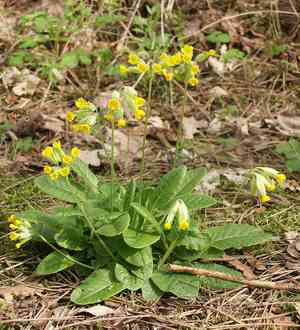
For Cowslip, the perfect light intensity involves receiving moderate sunlight. This means exposure to partial sun, ideally getting approximately 3-6 hours of light daily. Ensuring the plant receives the correct amount of illumination keeps its vivid yellow blooms healthy and strong.
Direct vs. Indirect Sunlight
Cowslip thrives with a combination of direct and indirect sunlight. While it can tolerate some direct sun, especially in cooler parts of the day, excessive direct exposure, particularly during peak afternoon hours, can cause leaf scorch. Therefore, morning sun followed by afternoon shade is ideal for maintaining Cowslip's well-being.
How Much Sunlight Does Cowslip Require Daily?
Daily Sunlight Hours
On a daily basis, Cowslip needs about 3-6 hours of sunlight to flourish. This makes it a great choice for gardens that don't have full sun all day, such as those that get morning light and some afternoon shade. Achieving this balance promotes robust growth and abundant flowering.
Seasonal Sunlight Changes
It's important to consider seasonal variations in light when growing outdoors. In summer, the sun is more intense and lasts longer, so providing some afternoon shade can protect Cowslip from overexposure. Conversely, in winter, light quality and duration decrease, making it crucial to ensure the plant still gets sufficient light whenever possible.
Can Cowslip Grow in Shade?
Tolerance to Low Light
Cowslip exhibits a reasonable degree of tolerance to dim light conditions, particularly in cooler climates or shaded areas beneath trees. However, for the best flowering and overall plant vigor, some direct sun is essential. Prolonged low-light conditions can lead to leggy stems and poor bloom production.
Adjusting Growth in Shady Areas
If you must grow Cowslip in shadier spots, consider placing them closer to the edge of the shaded zone where they can still catch some morning sun. Additionally, it's possible to trim overhanging branches or other obstacles to increase light penetration, thereby helping the Cowslip access more sunlight to support its development.
Effects of Insufficient or Excessive Sunlight on Cowslip
Signs of Sunlight Deficiency
When Cowslip doesn't receive adequate sunlight, it may display several warning signs. These include elongated, pale stems, fewer flowers, and stunted development. The foliage might also lose its vibrant green hue, indicating your plant requires more light.
Symptoms of Overexposure to Sun
Conversely, Cowslip receiving too much sunlight may show symptoms like scorched or yellowing leaves. The foliage can become brittle, and the plant might appear wilted or stressed. In severe cases, extended exposure to harsh sunlight can lead to the plant's demise, highlighting the necessity for equilibrium.
Tips for Optimizing Sunlight for Cowslip
Using Garden Layout to Maximize Sunlight
Strategic garden planning can optimize the sunlight Cowslip receives. Planting Cowslip in spots where they get morning sun and afternoon shade can mimic their natural habitat. Furthermore, positioning taller plants or structures to provide shade during the hottest parts of the day ensures your Cowslip gets the correct balance.
Utilizing Artificial Lighting
In situations where natural sunlight is insufficient, artificial illumination can be a viable alternative. Employing LED grow lights, especially those that simulate the full spectrum of sunlight, can help keep Cowslip healthy. Ensure the artificial light is positioned at an appropriate distance to prevent overheating and observe the plant's reaction to adjust as needed.



