How to Prune Cowslip?
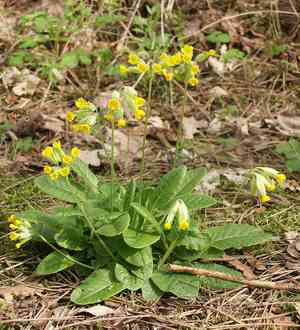
A member of the Primulaceae family, cowslip is a perennial plant recognized for its clusters of aromatic, yellow blossoms that emerge in springtime. Proper trimming entails deadheading faded flowers to foster additional blooms and preserve a neat look. Following the flowering period, eliminating decaying leaves can stimulate fresh development. Perform pruning in late spring after flowering and throughout summer, as required. Autumn pruning aids in readying cowslip for its winter rest by clearing away dead foliage and reducing the likelihood of disease. Consistent pruning boosts the plant's vitality and lifespan.
What Are the Benefits of Pruning Cowslip?
What Are the Benefits of Pruning Cowslip?
Trimming cowslip promotes more vivid blossoms, fosters robust development, and maintains an attractive shape. It is crucial for cowslip to flourish and exhibit its full decorative potential.
What Is the Best Time for Pruning Cowslip?
What Is the Best Time for Pruning Cowslip?
The optimal periods to prune cowslip are in spring, once frost danger has passed and before new growth emerges, and in late summer, after cowslip has finished blooming. Spring pruning allows for the removal of any winter-damaged or dead foliage, without impacting the formation of flower buds that develop later. Late summer pruning is advantageous for tidying cowslip post-bloom, eliminating spent flowers and encouraging a neat plant structure. This timing also prevents the removal of next year's flower buds, which form soon after flowering. Avoid autumn pruning, as new growth might not have adequate time to harden before winter frosts, potentially harming the plant.
What Tools Do I Need to Prune Cowslip?
Hand Pruners
Cowslip is a small, herbaceous perennial, so hand pruners are essential for making precise cuts on its delicate stems. They ensure minimal damage to the plant when removing dead or faded flower stems.
Pruning Snips
These are ideal for trimming back small or crowded leaves and stems of cowslip. Their sharp blades allow for clean cuts that promote healthy regrowth.
Garden Scissors
Garden scissors can be used to deadhead spent blooms of cowslip and to shape the foliage without causing undue stress to the plant.
How to Prune Cowslip
Cleaning Tools
Before pruning cowslip, ensure all pruning tools are clean and sterilized to prevent disease transmission.
Remove Diseased Leaves
Carefully inspect cowslip for any diseased leaves. Gently trim these leaves at the base, where they meet the stem, using sharp scissors or pruning shears.
Trim Withered Leaves
Identify any withered or dead leaves on cowslip. Prune them off at the base to promote healthy growth and improve air circulation around the plant.
Deadhead Flowers
Once the flowers of cowslip have withered, deadhead them by pinching off the spent blooms at the base of the flower stalk to encourage a second bloom and prevent self-seeding if desired.
Cleanup
After pruning, clear away all removed foliage and flower parts from around cowslip to reduce the risk of pests and diseases.
Common Pruning Mistakes with Cowslip
Overpruning
Removing too much foliage can stress cowslip, hindering its ability to photosynthesize and store enough energy for growth and flowering.
Using Dull Or Dirty Tools
Pruning cowslip with dull or unclean tools can result in jagged cuts or disease transmission, which may inhibit recovery and health.
Pruning Into Healthy Tissue
Cutting into the green, healthy parts of cowslip can cause unnecessary injury and potentially reduce the plant's vigor.
Neglecting Deadheading
Failing to remove spent blooms from cowslip can lead to diminished flowering as the plant invests energy into seed production rather than new blooms.
Ignoring Plant Structure
Pruning without considering the natural shape of cowslip can result in a less aesthetically pleasing plant and compromise its stability.
Common Pruning Tips for Cowslip
Sanitize Equipment
Before pruning cowslip, always sterilize cutting tools with alcohol or bleach solution to prevent the spread of disease.
Deadheading
Carefully remove spent flowers of cowslip to redirect energy towards new flower production and enhance overall plant health.
Conservative Cutting
When pruning cowslip, aim to remove only the dead or damaged tissue, leaving healthy growth intact to support vigorous blooms.
Follow Natural Growth
Prune cowslip by following its natural shape, which helps maintain the plant's form and encourages balanced, healthy growth.
Immediate Cleanup
After pruning cowslip, promptly dispose of or compost pruned material to minimize the risk of disease or pest infestation in the garden.



