How Often Should You Water Your Flaming torch?
1
The Flaming torch thrives with a consistent weekly watering regimen.
2
Excessive watering of your Flaming torch may result in root decay and fungal diseases.
3
Modify your watering schedule according to the time of year; reduce watering during colder months.
Grasping the Hydration Requirements of Flaming torch
Indicators of Sufficient Moisture
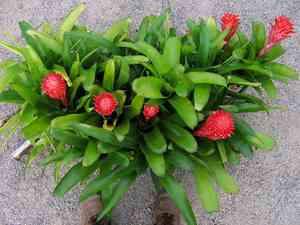
The Flaming torch, a vivid and captivating addition to any home garden, displays clear signals when it has received enough water. Look for firm, full leaves that maintain their vibrant green hue. The plant should show consistent development with healthy, colorful blossoms. Limp, drooping leaves can suggest insufficient water intake.
Consequences of Under-watering
If your Flaming torch lacks sufficient water, you'll observe its leaves beginning to curl or become brittle at the edges. This bromeliad thrives in damp, but not waterlogged, conditions, so neglecting its hydration can result in stressed and weakened plants. Over time, persistent under-watering can also reduce flowering frequency and overall vitality. To prevent this, always check the soil moisture level weekly and ensure it's adequately hydrated.
The Dangers of Excessive Watering
While it's vital to keep your Flaming torch well-hydrated, overwatering can be as detrimental as under-watering. Stagnant water and overly moist soil can lead to root decay, a condition where roots rot due to surplus moisture. Furthermore, overwatering can encourage fungal infections and attract pests. Always allow the soil to dry slightly between waterings to prevent these problems.
Properly Irrigating Your Flaming torch
Assess Soil Before Hydrating
Prior to adding more water, it's crucial to evaluate the soil's moisture content. Insert your finger approximately 2-3 centimeters (1 inch) into the soil. If it feels dry at this depth, it's time to water. If it's still damp, postpone watering for a few more days. This simple check helps prevent overwatering and ensures your Flaming torch receives water only when necessary.
Optimal Watering Techniques
To water your Flaming torch, utilize a watering can with a narrow spout to direct water towards the plant's base. Avoid wetting the foliage excessively, as this can encourage fungal growth. It's best to water slowly, allowing the water to penetrate deeply into the soil, ensuring thorough hydration. Doing so helps establish a robust root system and maintains the plant's overall health.
Seasonal Adjustments to Watering Schedule
As seasons change, so do the hydration needs of your Flaming torch. During warmer periods, your plant will likely require water weekly, as higher temperatures increase evaporation rates. Conversely, during cooler winter months, the plant enters a slower growth phase and thus needs less frequent watering, roughly every two weeks. Being mindful of these seasonal changes can prevent both over and under-watering.
Maintaining Moisture Without Excess
Utilizing Mulch for Moisture Retention
Applying a layer of mulch around the base of your Flaming torch can help retain soil moisture, decreasing the frequency of watering needed. Organic mulch, such as shredded bark or compost, effectively maintains an even soil temperature and prevents water evaporation. This is particularly useful in warmer climates or during the peak of summer.
Selecting the Appropriate Water Type
The kind of water you use can also impact your Flaming torch. It's best to use rainwater or distilled water, as tap water often contains minerals and chlorine that can accumulate in the soil and harm the plant. If you must use tap water, let it sit out for 24 hours to allow some of the chlorine to dissipate before using it for watering.
Watering in Diverse Environments
Your Flaming torch may be indoors or outdoors, and its surroundings influence its water requirements. Indoors, where air is less humid, you might need to water slightly more often. Outdoors, factors like direct sunlight and rain exposure play significant roles. Always consider your specific environment when determining your watering practices, and adjust accordingly.
Common Watering Errors to Avoid
Preventing Over-watering in Shaded Areas
Plants in shaded locations require less frequent watering than those in full sun. Lower light levels mean the soil retains moisture for longer periods. If your Flaming torch is primarily in a shaded spot, adjust your watering schedule to avoid oversaturation, which can lead to root rot and other issues.
Not Solely Relying on a Fixed Schedule
While a weekly watering schedule is generally recommended, it's important not to rigidly adhere to it without considering actual soil moisture and plant condition. Variations in temperature, humidity, and light levels can all impact your plant's water needs. Always check the soil and adapt your watering frequency as necessary.
Heeding Signs of Plant Distress
Your Flaming torch will often display signs of distress if it's not properly watered. Whether it’s yellowing leaves indicating potential overwatering or crispy edges signaling a need for more moisture, paying attention to these signs and adjusting your care routine accordingly is key to maintaining a healthy plant.



