Optimal Fertilizer for Growing Flaming torch: What You Need to Know
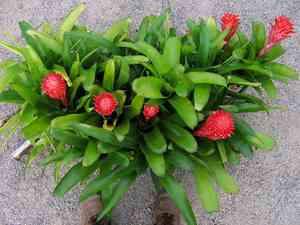
1
Flaming torch plants flourish with fertilization throughout the summer season.
2
A 10-10-10 or 20-20-20 balanced fertilizer is perfect for the Flaming torch.
3
Organic feeding options both sustain the Flaming torch and improve soil quality.
Grasping the Nutritional Requirements of Flaming torch
Key Nutrients for Flaming torch
Like all plants, the Flaming torch requires various vital nutrients to flourish. The main nutrients needed are nitrogen (N), phosphorus (P), and potassium (K). These macronutrients support fundamental aspects of the plant's developmentânitrogen aids in foliage and stem growth, phosphorus promotes root development and flower production, and potassium is essential for the plant's overall health and vitality. Additionally, the plant benefits from secondary nutrients such as calcium, magnesium, and sulfur, along with trace elements like iron, manganese, zinc, and copper.
Indicators of Nutrient Deficiency
Observing your Flaming torch can help you detect early signs of nutrient shortages. Common symptoms include yellowing foliage (often indicating a nitrogen deficit), poor blooming (possibly due to insufficient phosphorus), and weak, stunted development (which could stem from low potassium levels). Another sign can be leaf discoloration or spots, potentially signaling deficiencies in trace elements. Identifying and addressing these issues promptly will help maintain your plant's health and aesthetic appeal.
Selecting the Appropriate Fertilizer for Flaming torch
Available Fertilizer Varieties
When choosing fertilizers for your Flaming torch, you'll encounter two main categories: liquid and granular. Liquid fertilizers are often simpler to apply and are rapidly absorbed by the plant, providing immediate nutrients. Granular fertilizers, conversely, offer a gradual release of nutrients over time, making them suitable for sustained nourishment. Both types can be appropriate, depending on your preferences and gardening practices. Furthermore, water-soluble fertilizers can be an excellent option if you prefer to deliver nutrients through irrigation.
Organic vs. Synthetic Fertilizers
Both organic and synthetic fertilizers have their advantages and disadvantages. Organic fertilizers, such as compost, worm castings, or bone meal, are derived from natural sources and enhance soil structure and health over time. They release nutrients slowly and foster a thriving soil ecosystem. Synthetic fertilizers, however, are formulated for rapid results and can precisely address specific nutrient deficiencies. While they offer an immediate boost, they can lead to salt accumulation in the soil with prolonged use. For long-term health and sustainability, incorporating organic fertilizers is often the optimal approach.
How and When to Fertilize Flaming torch
Optimal Fertilization Period
The best time to fertilize your Flaming torch is during its active growth phase, which typically occurs in the summer. This is when the plant is most actively absorbing nutrients and can best utilize the additional boost. Fertilizing during this period encourages vigorous growth and vibrant blooms. It's generally advised to apply fertilizer every 2 to 4 weeks during this season.
Application Methods
When applying fertilizer, it's crucial to follow best practices to avoid harming your plant. For liquid fertilizers, dilute the solution according to package directions and apply directly to the soil around the plant, avoiding the leaves to prevent burning. For granular fertilizers, gently work them into the topsoil layer and water thoroughly to help nutrients reach the root zone. Always avoid excessive fertilization, as this can cause nutrient imbalances and damage the plant. It's also good practice to water your Flaming torch before applying fertilizer to minimize the risk of root burn.
Common Errors in Fertilizing Flaming torch
Excessive Fertilization and Its Dangers
One of the most frequent mistakes in plant care is over-fertilizing. This can result in nutrient burn, where leaf tips turn brown and crisp. Too much fertilizer can also cause salt buildup in the soil, leading to root damage and hindering the plant's ability to absorb water effectively. Always adhere to recommended dosages and resist the urge to 'double up' for quicker results.
Insufficient Fertilization and Growth Effects
Conversely, under-fertilizing your Flaming torch can lead to stunted development and a dull appearance. The plant might produce fewer flowers, and its overall vigor could diminish. It's vital to establish a balanced fertilization schedule to ensure the plant receives consistent, adequate nourishment without overwhelming it. Regularly monitoring your plant's condition can help you adjust the frequency and amount of fertilizer as needed.



