How to Prune Flaming torch?
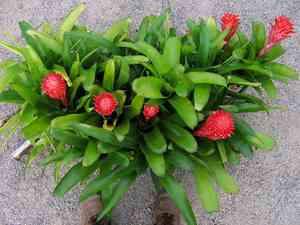
This exotic bromeliad, recognized for its impressive floral spikes and robust leaf clusters, flourishes with infrequent trimming. Essential methods for flaming torch involve detaching withered or injured leaves and faded flower stems from their base to preserve appearance and foster vigorous development. Trimming can occur throughout the year, though the most favorable period is post-bloom to stimulate the emergence of new plantlets. Distinct advantages of pruning encompass encouraging offshoots and averting decay within tightly clustered rosettes.
What Are the Benefits of Pruning Flaming Torch?
What Are the Benefits of Pruning Flaming Torch?
Trimming flaming torch promotes abundant flowering, stimulates vigorous development, and maintains a tidy shape. By eliminating faded blossoms and overgrown foliage, gardeners can improve flaming torch's overall vitality and visual appeal.
What Is the Best Time for Pruning Flaming Torch?
What Is the Best Time for Pruning Flaming Torch?
Pruning flaming torch from late winter to early spring, just prior to the emergence of new growth, is ideal. This timing allows the plant to recover swiftly and channel energy into producing fresh growth. This schedule ensures that any potential blooming is not interrupted, as flaming torch typically flowers in summer. Removing spent flowers after blooming encourages flaming torch to prioritize vegetative growth over seed production. Pruning during this period also reduces exposure to pests and diseases, which are more common in the warm, humid conditions of late spring and summer. Regular light trimming can be performed throughout the season for dead or damaged leaves, contributing to the plant's health and vigor.
What Tools Do I Need to Prune Flaming Torch?
Hand Pruners
Hand pruners are perfect for making clean cuts on flaming torch's delicate foliage. Given that flaming torch has relatively thin leaves and flower stalks, hand pruners offer the necessary precision to trim without harming the basal rosette.
Sharp Scissors
For removing dead or dying leaves at the base of flaming torch, sharp scissors can be employed when precision is needed. They enable careful handling, which is crucial for the plant's clustered growth habit.
Gloves
Wearing gloves safeguards the gardener's hands from flaming torch's potentially abrasive foliage and ensures safe handling during the pruning process.
Disinfectant
Applying a disinfectant to tools before pruning flaming torch helps prevent the transmission of diseases between plants. A simple alcohol or bleach solution can be used to sanitize the cutting implements.
How to Prune Flaming Torch
Step1: Identifying Plant Debris for Removal
Carefully inspect flaming torch to pinpoint dead leaves, spent flowers, and withered branches that require removal. These parts often appear brown, dry, and may be visibly wilting or decaying compared to the healthy green sections of the plant.
Step2: Sterilizing Pruning Shears
Sanitize your pruning shears before starting. Clean and sharp tools prevent infection and ensure a precise cut. Wipe the blades with rubbing alcohol or a solution of one part bleach to nine parts water.
Step3: Cutting Dead Leaves at Base
Begin by trimming dead leaves. Gently pull the leaves away from the base of flaming torch to expose the stem. Cut the leaf off at its origin point from the central cup or rosette, being careful not to damage new growth or the cup structure.
Step4: Snipping Off Faded Flowers
Next, remove dead flowers. Snip the flower stalk at its base near where it emerges from the rosette after the blooms have faded. Be meticulous to avoid harming surrounding foliage or the core of flaming torch.
Step5: Trimming Withered Branches Above Healthy Tissue
Trim withered branches by locating the point where they connect to healthy tissue. Make an angled cut just above this junction to remove the branch. This can help direct the plantâs energy to healthier parts.
Step6: Conservative Pruning to Preserve Shape
Prune sparingly to maintain the natural form of flaming torch. Avoid excessive removal of healthy foliage or stems, as this can stress the plant and diminish its vigor.
Step7: Disposing of Pruned Plant Material
Discard all removed material to prevent the spread of pests or diseases. Dead plant matter can harbor unwanted organisms that might harm flaming torch if left in the area.
Step8: Watering Post-Pruning for Recovery
After pruning, water flaming torch lightly to reduce stress and aid in the recovery process. Ensure that water drains properly and doesn't accumulate in the central cup for an extended period to prevent rot.
Step9: Observing Plant Health Post-Pruning
Monitor flaming torch after pruning for signs of stress or disease. Healthy regrowth should be evident within a few weeks if proper care is continued.
Post-Pruning Care for Flaming Torch
Post-Pruning Care for Flaming Torch
Immediately after trimming flaming torch, ensure cleanliness to prevent infection. Provide bright, indirect light and high humidity, avoiding direct sunlight. Adjust temperature to 60-80°F. Support recovery by applying a balanced, liquid fertilizer once monthly. Consistently check for signs of stress, such as leaf discoloration or wilting. If symptoms persist, inspect for pests or diseases and treat accordingly. Regular observation and adherence to optimal care conditions promote robust regrowth of flaming torch.
Common Pruning Mistakes with Flaming Torch
Over-Pruning New Growth
Pruning flaming torch too aggressively can eliminate the potential for future blooms, as the plant flowers on new growth.
Nonselective Whole Plant Pruning
Cutting back the entire plant instead of selectively removing only old, spent, or damaged leaves leads to stress and may negatively impact its ornamental appeal.
Unsterilized Tools Spread Disease
Failing to sterilize pruning tools before use on flaming torch can transmit diseases between plants, compromising their health.
Early Pup Removal Weakens Offspring
Removing the pups too soon, before they have adequately developed, weakens the next generation of flaming torch.
Ignoring Dead Foliage Attracts Pests
Overlooking dead or dying foliage that needs to be cleaned up can invite pests and result in an unattractive plant.
Common Pruning Tips for Flaming Torch
Remove Brown Leaves at Base
Focus on removing brown, wilted, or dead leaves at the base of flaming torch to maintain plant health and aesthetic appeal.
Cut Flower Stalk After Bloom
After flowering, cut the flower stalk at its base to redirect energy to the rest of flaming torch, encouraging the growth of offspring, known as pups.
Use Clean Sharp Tools for Cuts
Utilize clean, sharp tools to make precise cuts on flaming torch, which helps prevent infection and promotes rapid healing.
Sever Pups at One-Third Size
Wait until the pups are approximately one-third the size of the mother plant before separating them to ensure they have sufficient energy reserves.
Gentle Periodic Pruning for Renewal
Perform gentle pruning periodically rather than a harsh prune, to support the continuous renewal of flaming torch's foliage.



