How Much Sunlight Do Flaming torch Need?
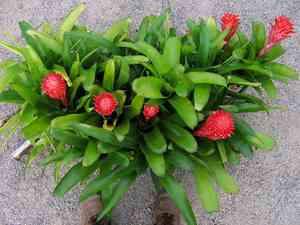
1
Flaming torch flourishes with 3-6 hours of direct sun each day.
2
It can endure complete shade, though its flowering will be less prolific.
3
Supplement natural light with artificial grow lamps, particularly in colder seasons.
Optimal Light Requirements for Flaming torch
Native Environment Insights
The Flaming torch, with its vivid blooms and tropical origins, originates from the subtropical and tropical regions of the Americas. This plant naturally thrives beneath the canopy of larger trees, where it receives filtered sunlight. Due to its native habitat, it is accustomed to partial sun to bright, indirect illumination. In the wild, it flourishes with a balance of sun and shade, avoiding extreme conditions.
Replicating Natural Light Indoors
To successfully grow the Flaming torch indoors, you should aim to mimic its natural habitat's lighting conditions. Placing the plant in a spot that receives approximately 3-6 hours of diffused sunlight daily is ideal. Windows with sheer curtains effectively scatter light, preventing harsh direct rays, which could be too intense. East or west-facing windows often provide the perfect light balance throughout the day.
Light Intensity Needs
The Flaming torch prefers moderate light intensity. While it can tolerate full shade, this condition might hinder its blooming potential. For optimal growth and flowering, light should be neither too strong nor too weak. If you notice the leaves losing their color or the plant becoming elongated, these indicate insufficient or improper light.
Prime Locations for Your Flaming torch
Indoor Positioning
When cultivated indoors, the Flaming torch should be situated near bright windows. East-facing windows are perfect as they offer gentle morning sun and protect the plant from intense afternoon rays. Alternatively, a spot near a south or west-facing window can work, provided you manage the intensity with sheer curtains or another form of light diffusion.
Outdoor Positioning
If you choose to place your Flaming torch outdoors, select a location with partial shade. Under a patio cover, or beside larger plants or trees where sunlight is dappled, is ideal. Direct exposure to harsh midday sun can scorch the foliage and harm the plant, so ensure it has some protection during peak sunlight hours.
Seasonal Adjustments
The required amount of sunlight can vary with the seasons. During winter, when natural light may be inadequate, consider relocating your Flaming torch to a brighter spot or supplementing with grow lights. In summer, ensure it isn't exposed to excessive direct sunlight.
Indicators of Excessive or Insufficient Sunlight
Signs of Overexposure
Too much sunlight can cause the leaves of the Flaming torch to burn, turning brown or developing unsightly marks. If you observe the leaves starting to curl or the edges browning, it suggests your plant might be receiving too many direct rays.
Symptoms of Under-illumination
Insufficient light can cause the Flaming torch to become leggy as it stretches toward the light source. Leaves may become paler, and the plant might struggle to bloom. If you notice these signs, gradually move the plant to a brighter location or introduce artificial light to boost its growth.
Modifying Light Conditions
To optimize light conditions, avoid abrupt changes in the light environment. Instead, adjust the plant's position slowly, allowing it time to adapt. If you're using grow lights, begin with shorter durations and gradually increase until it receives the ideal amount of light.
Utilizing Artificial Light for Flaming torch
Types of Supplemental Light
Various artificial lights can be employed to augment natural light for the Flaming torch. LED grow lights are energy-efficient and effective, providing full-spectrum light that mimics natural sunlight. Fluorescent lights are also a suitable option, especially for indoor setups.
Setting Up Grow Lamps
When installing grow lights, position them approximately 6-12 inches (15-30 cm) above the plant. Ensure they illuminate the entire plant uniformly to prevent shaded areas. Adjustable lamp stands can help maintain an optimal distance as the plant grows.
Duration of Light Exposure
Aim to provide the Flaming torch with about 12-16 hours of light daily if relying on artificial illumination. Using a timer can help regulate light exposure and ensure consistency without manual intervention.



