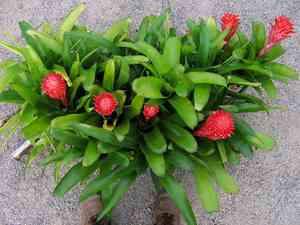
Flaming torch (Billbergia pyramidalis)
Also known as: Bromeliad
The flaming torch houseplant, known for its easy care, flourishes in warm, humid conditions. It can be grown outdoors in tropical regions like Brazil, Costa Rica, and the Philippines. Indoors, it does well with bright, indirect light. Ensure room temperatures stay above 60°F (15°C) to prevent frost damage. Regular watering with well-draining soil will keep it healthy.
In This Article
Attributes of Flaming torch
Lifespan
Perennial
Plant Type
Herb
Plant Height
30 cm to 46 cm
Spread
45 cm to 60 cm
Leaf Color
Green
Flower Size
5 cm to 8 cm
Flower Color
Red
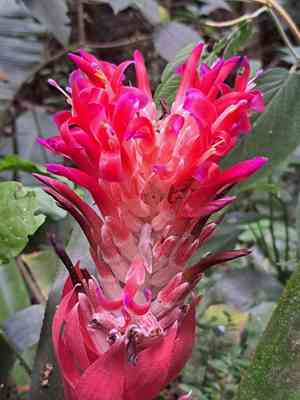
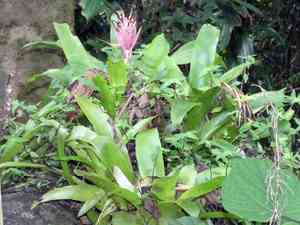
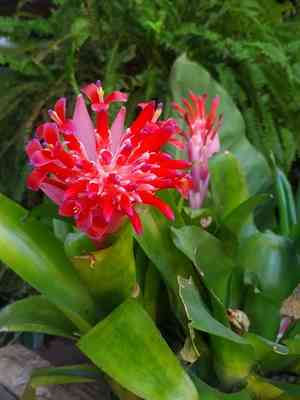
Images of Flaming torch
Quickly Identify Flaming torch
1
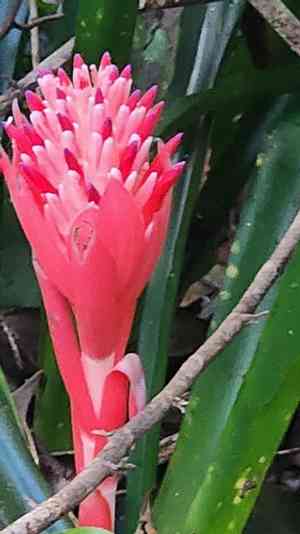
Billbergia pyramidalis can be identified by its tubular, flaring leaves that form a rosette, and its tall, reddish flower spike that emerges from the center. The leaves are often marked with faint spots or stripes.
Scientific Classification of Flaming torch
Phylum
Vascular plants
Class
Monocotyledons
Order
Poales
Family
Bromeliad
Genus
Billbergia
Species
Flaming torch
Planting and Growing of Flaming torch
Care Difficulty
Easy
Watering Schedule
Every 2 days
Sunlight Requirements
Partial sun
Sunshine Duration
6-12 hours
Ideal Temperature
65-75℉
Soil Type
Potting Mix, Peat Mix
Soil pH
5.5-7.5
Fertilizer Type
Balanced
Pruning Season
Spring, Summer
Pruning Area
Branches, Leaves
Pruning Frequency
2 times a year
Repotting Season
Spring
Pot Type
Plastic, Ceramic
 How to Water Flaming torch?
When watering Billbergia pyramidalis, ensure the soil feels moist but not waterlogged. Approximately 250 ml per session is ideal, allowing the soil to absorb the water without creating standing water. The water should not puddle on the surface, ensuring the plant has adequate moisture without drowning its roots.
More About Watering Techniques→
What are the symptoms of an underwatered Flaming torch?
›
What should I do if my Flaming torch is not getting enough water?
›
What are the symptoms of an overwatered Flaming torch?
›
How to save an overwatered Flaming torch?
›
 What Are the Sunlight Requirements for Flaming torch?
Partial sun or full shade conditions suit Billbergia pyramidalis best. These light levels promote healthy growth, vibrant colors, and prevent heat stress, ensuring a robust and visually appealing plant.
More About Sunlight Requirements Techniques→
How much sunlight is ideal for Billbergia pyramidalis?
›
What should I do to achieve ideal lighting?
›
Why is ideal lighting important for Billbergia pyramidalis?
›
 What Is the Ideal Temperature Range for Flaming torch?
Maintaining temperatures between 65°F and 75°F is ideal for Billbergia pyramidalis, as it closely mimics their native tropical habitats. This range ensures optimal growth and vibrant foliage, supporting overall plant vigor.
 What Soil is Best for Flaming torch?
Billbergia pyramidalis thrives in well-drained soils, which prevent waterlogging that could lead to root rot. Good drainage is crucial for letting the roots breathe and function properly, ensuring the plant's health and vigorous growth. This plant prefers soil that remains moist but not overly saturated. The moisture-retention of loamy or sandy loam soils provides the right balance, keeping roots hydrated without drowning them. Rich, organic matter-filled soil is vital for providing necessary nutrients. Incorporating peat or compost can enhance soil fertility, supporting lush foliage and vibrant blooms in your Billbergia pyramidalis.
More About Soil→
 How to Fertilize Flaming torch?
For Billbergia pyramidalis, it is essential to use a balanced fertilizer at half the recommended strength to avoid burning the roots. An ideal fertilizer ratio would be 10-10-10 or 20-20-20. Avoid over-fertilizing as this can lead to salt buildup in the soil.
More About Fertilizing Techniques→
 How to Prune Flaming torch?
Start by removing any dead or yellowing leaves at the base of the plant. This not only improves appearance but also minimizes the potential for fungal issues. After the flowering period, trim the flower stalks at their base. This directs the plant's energy back into foliage production, maintaining its robust appearance.
More About Pruning Techniques→
 How to Propagate Flaming torch plant?
1
Choose a healthy and mature Billbergia pyramidalis plant with several offsets. A healthy mother plant ensures that the divisions will have a better chance of thriving. Look for plants that are disease-free and show no signs of stress.
2
Using a sterilized sharp knife or pruning shears, carefully cut away the offsets from the parent plant. Make sure to get a part of the root system with each offset for better chances of successful propagation. Handle the offsets gently to avoid damaging the roots or foliage.
3
Place each offset into a pot filled with well-draining soil. Ensure the base of the plant is at the soil level. Water the newly potted offsets lightly to settle the soil around the roots but avoid overwatering as the soil must not become waterlogged.
 How to Repot Flaming torch plant?
1
Billbergia pyramidalis often signals the need for repotting when its roots outgrow the pot or when the offsets begin crowding the space. Ideally, it should be done every 2-3 years to ensure fresh soil and adequate space for growth. Watch for signs like slowed growth, roots pushing against the pot, or a general lack of vigor.
2
The right pot for a Billbergia pyramidalis should be slightly larger than the current one, with sufficient drainage holes. This ensures excess water drains properly, preventing root rot. A pot made from materials like clay can provide stability with some degree of moisture retention, which is beneficial for the plant.
3
Opt for a soil mix that's well-draining, such as an orchid mix with bark, perlite, and charcoal. This type of soil mimics the plant's natural environment, offering good aeration and moisture management, while preventing root rot by ensuring that the roots do not sit in water.



