How to Overwinter Flaming torch
1
Flaming torch cannot withstand frost and requires particular attention in colder months.
2
Keeping indoor moisture levels at 50-60% is vital for the plant's well-being.
3
Frequent pest inspections help avoid large-scale infestations and the spread of illness.
Why Flaming torch Needs Special Care in Winter
Why Flaming torch Needs Special Care in Winter
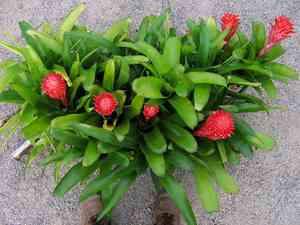
As winter approaches, your Flaming torch (Billbergia pyramidalis) will require specific attention to ensure its healthy return in the spring. This delicate plant is not frost-hardy, meaning it cannot endure cold temperatures. The drop in temperature and humidity can stress your plant, making it susceptible to various problems such as dehydration, pests, and diseases. Providing adequate care during winter is crucial to ensure your Flaming torch thrives and blooms beautifully when the warmer months return.
Preparing Flaming torch for Overwintering
Pruning and Cleaning
Begin by trimming any dead or damaged leaves to minimize the energy your Flaming torch needs for maintenance. Gently clean the remaining foliage with water to remove any dust or debris. This helps improve the plantâs ability to photosynthesize efficiently even with reduced light levels.
Inspecting for Pests
Before bringing your Flaming torch indoors for the winter, carefully inspect it for pests. Look for common culprits such as aphids, mealybugs, and spider mites. Use insecticidal soap or a natural remedy to treat any identified pests. Isolating the plant temporarily after treatment can help ensure no lingering pests accompany it indoors.
Adjusting Watering Practices
Watering needs change during winter. Overwatering can lead to root rot, while underwatering can cause dehydration. For the Flaming torch, maintain a balanced watering schedule by allowing the top 2-3 cm (1 inch) of soil to dry between waterings. Ensure water drains well to prevent standing water in the pot.
Ideal Indoor Conditions for Flaming torch
Optimal Light Requirements
Place your Flaming torch in a location where it can receive bright, indirect sunlight. Avoid direct sunlight, which can scorch the leaves, especially when light levels are low in winter.
Maintaining Humidity Levels
Maintain high humidity levels indoors, ideally between 50-60%, to mimic the plantâs natural tropical environment. Using a room humidifier or placing the plant on a tray filled with water and pebbles can help achieve this.
Temperature and Draft Control
Flaming torch prefers temperatures between 18-24°C (65-75°F). Keep the plant away from drafts like cold windows or heating vents which could stress the plant.
How to Check on Flaming torch Throughout Winter
Monitoring Soil Moisture
Regularly check the soil moisture to ensure itâs not too wet or too dry. Using a moisture meter can help you accurately gauge the soil moisture levels.
Inspecting Leaves Regularly
Inspect the leaves for any signs of pests or diseases regularly. Clean and dust the leaves to prevent dust-collecting pests and to improve photosynthesis efficiency.
Signs of Distress and How to Address Them
Look for signs like yellowing leaves, curling, or brown tips, which can indicate insufficient humidity or incorrect watering. Adjusting your care routine, such as increasing humidity or altering the watering schedule, can often rectify these issues.
Preparing Flaming torch for Spring Transition
Gradual Reintroduction to Outdoor Conditions
As temperatures begin to rise in spring, gradually reintroduce your Flaming torch to outdoor conditions. Start by placing it in a shaded area for a few hours each day, gradually increasing the time spent outside and the exposure to sunlight. This helps the plant acclimatize to the changing environment without stress.
Resuming Regular Feeding and Watering
Begin to water more frequently as the temperature increases, and resume a regular feeding schedule with a balanced liquid fertilizer every 2-3 weeks. This will provide the necessary nutrients the plant needs to grow and bloom.



