How to Transplant Common beargrass?
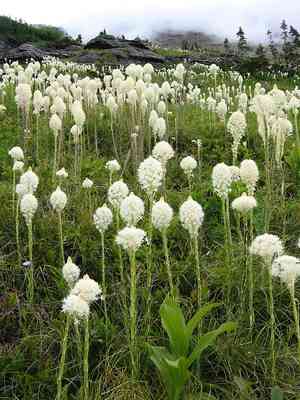
For common beargrass, the ideal period for relocation spans from the onset of early spring until the culmination of late spring, facilitating prime root development. Select a location featuring adequately draining soil and dappled sunlight. Should it be required, enhance the soil with organic material to fortify it and aid in adaptation.
What Preparations are Needed Before Transplanting Common Beargrass?
What is the Ideal Time for Transplanting Common Beargrass?
The optimal period for relocating common beargrass is when winter transitions into spring. Target a time when the ground is workable but before intense summer heat arrives. This timeframe allows common beargrass roots to establish in cooler conditions, reducing stress and promoting development. Choose this timing to give common beargrass a strong start, leading to a vibrant display in your garden.
How Much Space Should You Leave Between Common Beargrass Plants?
Greetings, gardening enthusiast! Initially, you'll want to provide your common beargrass ample room to thrive. Aim to position them approximately 18-24 inches apart (45-60 cm). This spacing is perfect for them to expand and showcase their beauty!
What is the Best Soil Mix for Common Beargrass Transplanting?
Now, let's prepare the soil for your common beargrass! They flourish in a well-draining mixture, so consider incorporating sand or organic material to enhance drainage. Before planting, blend in a balanced, slow-release fertilizer to give them a good growth boost!
Where Should You Relocate Your Common Beargrass?
When choosing a location for your common beargrass, a comfortable spot with partial to full sunlight is ideal. They enjoy soaking up the sun as much as they appreciate a bit of shade. So, the perfect place could be where the morning sun greets them and they are protected in the afternoon!
What Equipments Should You Prepare Before Transplantation Common Beargrass?
Gardening Gloves
To safeguard your hands while handling soil and the plant.
Shovel or Spade
For excavating around and beneath the plant's root ball during extraction.
Wheelbarrow
To move the common beargrass and its soil to the new site.
Pruning Shears
To trim any dead or excess foliage and roots prior to transplanting.
Watering Can or Hose
To hydrate the common beargrass before and after the transplanting procedure.
Mulch
To aid in moisture retention and protect the root system post-transplant.
How Do You Remove Common Beargrass from the Soil?
How Do You Remove Common Beargrass from the Soil?
From Ground: Start by watering the common beargrass to moisten the soil, which facilitates digging. Use a shovel or spade to excavate a generous trench around the plant, significantly wider than the visible root zone to preserve as much of the root system as possible. Gently work the shovel under the root ball, and carefully lift the plant, ensuring the root ball remains intact.From Pot: Water the plant thoroughly to help the root ball stay together. Tilt the pot sideways and gently tap its sides or bottom to loosen the common beargrass. Slide the plant out carefully, making sure to support the root ball to prevent it from breaking.From Seedling Tray: Dampen the soil in the tray first to minimize root disturbance. Use a spoon or a dibbler to carefully extract each common beargrass seedling. Hold the seedling by its leaves rather than the stem to avoid damage, and ensure you include the entire root ball.
Step-by-Step Guide for Transplanting Common Beargrass
Preparation
Confirm that you possess all the necessary tools and equipment listed previously.
Removal
Follow the Removal Process section to carefully extract the common beargrass from its current spot.
Plant Inspection
Examine the common beargrass root ball for any indications of damage, disease, or circling roots. Gently prune away any affected areas with pruning shears.
Transport
Place the common beargrass in a wheelbarrow, ensuring the root ball is supported and not hanging, to move it to the new location.
Placement
Dig a hole at the new site that is twice as wide as the root ball but no deeper. Carefully center the common beargrass in the hole.
Refilling the Hole
Backfill the hole with the excavated soil, gently firming it to eliminate air pockets without over-compacting it, which would hinder root growth.
Watering
Water the common beargrass thoroughly after planting to settle the soil and hydrate the roots.
Mulching
Apply a layer of mulch around the base of the common beargrass to help retain soil moisture and regulate soil temperature.
How Do You Care For Common Beargrass After Transplanting?
Initial Watering
Keep the soil around the common beargrass consistently moist, but not waterlogged, for the initial weeks to aid in establishing strong roots.
Observation
Regularly inspect the common beargrass for signs of stress, such as wilting or yellowing leaves, and address them promptly.
Mulch Refresh
Replenish mulch as needed to maintain its benefits and avoid piling it against the plant's stems, which can lead to rot.
Pruning
Remove any dead or damaged foliage as necessary to encourage healthy growth and improve air circulation.
Troubleshooting Common Issues with Common Beargrass Transplantation.
What's the best time of year to transplant common beargrass?
The optimal transplanting period for common beargrass spans from early spring thaw to the beginning of summer.
How far apart should I plant common beargrass to ensure healthy growth?
Space common beargrass approximately 18-24 inches (45-60 cm) apart to allow each plant ample room to flourish.
What soil conditions does common beargrass prefer for successful transplanting?
Well-drained soil enriched with organic matter is ideal for common beargrass to establish roots post-transplant.
How much should I water common beargrass after transplanting?
Water thoroughly immediately after transplanting, then maintain moderate moisture until common beargrass is well-established.
What's the ideal sun exposure for common beargrass after transplanting?
Position common beargrass in a location where it receives full sun to partial shade.
Why is my common beargrass wilting after transplanting and how can I fix it?
Wilting may indicate stress; ensure adequate water, appropriate sun exposure, and no root damage.
Should I fertilize common beargrass after transplanting, and what type should I use?
Yes, fertilize after transplanting with a balanced slow-release formula to support its development.
How do I ensure the roots of common beargrass take hold after transplanting?
Water deeply, keep the soil moist, and avoid disturbing the root area to encourage firm anchoring.
Can I transplant common beargrass when it's blooming?
It's best to avoid transplanting common beargrass during its blooming phase. Aim for pre-bloom in spring or post-bloom in late spring.
How can I protect common beargrass from transplant shock?
Minimize root disturbance, water sufficiently, and provide shade if extreme heat follows transplanting.



