How to Prune Common beargrass?
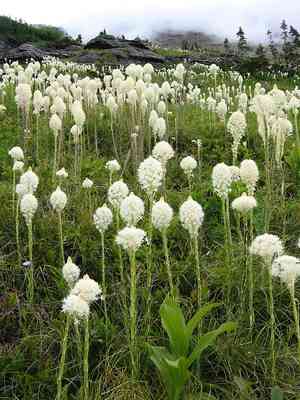
A robust perennial recognized for its elevated floral spikes and blade-like leaves, common beargrass flourishes with little upkeep. When trimming, sever withered flower stems at their foundation, stimulating vegetative development. Remove impaired or lifeless foliage to maintain the plant's tidiness and well-being. Trimming can be performed at any point, but late winter is optimal for readying the plant for spring development. Consistent trimming aids common beargrass by fostering dense foliage and abundant blossoms, in addition to deterring unwelcome organisms and ailments.
What Are the Benefits of Pruning Common Beargrass?
What Are the Benefits of Pruning Common Beargrass?
Trimming common beargrass encourages strong development, fostering dense foliage and more abundant flowering. Regular trimming maintains its desired shape, preventing excessive growth that can block light and air circulation, vital for plant vitality. A well-trimmed common beargrass often shows enhanced vigor and resistance to environmental pressures.
What Is the Best Time for Pruning Common Beargrass?
What Is the Best Time for Pruning Common Beargrass?
Trimming common beargrass from late winter to early spring is optimal, typically before new growth begins, allowing the plant to recover and direct energy to fresh foliage and, subsequently, its unique flower stalks. Pruning during dormancy minimizes stress and lowers infection risk. Furthermore, this timing enables gardeners to remove winter-damaged foliage, preserving the plant's health and appearance. Avoiding pruning in late summer and fall is recommended, as new growth might not adequately harden before colder months.
What Tools Do I Need to Prune Common Beargrass?
Hand Pruners
Ideal for cutting through common beargrass's tough, fibrous leaves without causing unnecessary harm to the plant. They allow for precise cuts and control, which is essential for maintaining the plant's health and appearance.
Gardening Gloves
Shield the gardener's hands from common beargrass's sharp leaf edges and provide a better grip on pruning tools, crucial for safe and effective trimming.
Long-Handled Loppers
Useful for reaching into dense common beargrass clumps and trimming leaves or flower stalks beyond arm's reach, while providing the necessary leverage for thicker stems.
Pruning Saw
A fine-toothed pruning saw may be necessary for cutting through particularly thick or tough flower stalks that hand pruners or loppers cannot manage. It ensures clean cuts, helping common beargrass heal properly and prevent disease.
How to Prune Common Beargrass
Preparation
Gather clean, sharp pruning shears, gloves, and disinfectant,
Inspect
Carefully examine common beargrass for the specified trim parts, including diseased leaves, withered leaves, dead branches, diseased branches, and withered flowers.
Cleancut
Using the pruning shears, make clean cuts to remove diseased and withered leaves and flowers, avoiding damage to healthy tissue.
Disinfect
After each cut of diseased plant material, disinfect the shears to prevent disease spread to healthy parts of common beargrass.
Removebranches
Saw or clip dead and diseased branches at the base, close to the plant's main body or at the soil line if necessary, ensuring minimal damage to the plant structure.
Common Pruning Mistakes with Common Beargrass
Overpruning
Cutting back common beargrass too severely can disrupt its natural growth and diminish its vigor. Common beargrass has a slow regrowth rate, so it's important not to prune more than one-third of its foliage at a time.
Ignoring Dead Leaves
Failing to remove dead or yellow leaves can lead to fungal diseases. It is important for the health of common beargrass to regularly clear away the dead material.
Improper Tool Use
Using dull or unclean tools can damage the leaves and make common beargrass more susceptible to infections. Always use sharp and sanitized pruning shears.
Inconsistent Maintenance
Neglecting regular check-ups and minor pruning may lead to a buildup of dead leaves at common beargrass's base, which could attract pests and disease.
Cutting Flowering Stalks Too Early
Removing the flowering stalks of common beargrass before seeds have dispersed can prevent natural reseeding. If seed propagation is desired, allow the stalks to remain until they have naturally dried.
Common Pruning Tips for Common Beargrass
Selective Pruning
Target only the oldest and most discolored leaves at the base of common beargrass, as younger central leaves are crucial for its growth and should be preserved.
Clean Cuts
Make clean, sharp cuts close to the base of the plant to promote healthy regrowth and minimize the risk of disease entering the cut areas.
After Blooming
Prune flowering stalks of common beargrass only after they have turned brown and seeds have had the chance to disperse if natural reseeding is preferred.
Protective Gear
Wear gloves and long sleeves while pruning common beargrass as its leaves have sharp edges that can cause cuts and irritation.
Waste Disposal
Dispose of the pruned material properly, away from the garden, to prevent the spread of any potential diseases.



