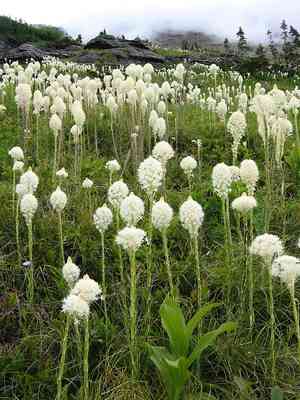
Common beargrass (Xerophyllum tenax)
Also known as: Quip-quip, Elk Grass, Turkeybeard, Bear Lily, Indian Basket
Fireweed is a resilient perennial known for its vibrant pink flowers and ability to grow up to 1.5 meters tall. It is among the first plants to reappear after a wildfire due to its capacity to quickly colonize and thrive in the nutrient-rich ash left behind. The name "fireweed" reflects its strong association with fire-affected areas.
In This Article
Attributes of Common beargrass
Lifespan
Perennial
Plant Type
Herb
Plant Height
15 cm to 1.5 m
Spread
30 cm to 45 cm
Leaf Color
Green Blue
Flower Size
2.5 cm
Flower Color
White Cream
Images of Common beargrass
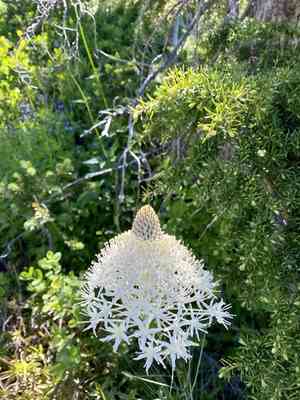
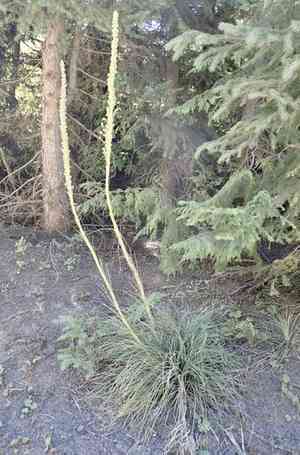
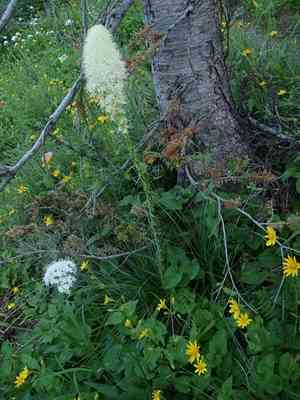
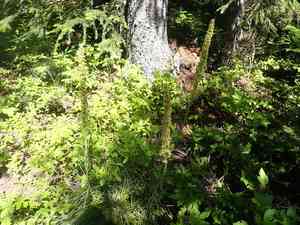
Quickly Identify Common beargrass
1
To identify Xerophyllum tenax, look for dense clumps of narrow, tough, grass-like leaves that emerge from a stout rhizome. The plant produces a tall flower stalk (up to 1.5 meters) in late spring, topped with a cluster of small, white, star-shaped flowers.
Scientific Classification of Common beargrass
Phylum
Vascular plants
Class
Monocotyledons
Order
Liliales
Family
Bunchflower
Genus
Xerophyllum
Species
Common beargrass
Planting and Growing of Common beargrass
Care Difficulty
Easy
Watering Schedule
Every 2 days
Sunlight Requirements
Full sun
Sunshine Duration
4-6 hours
Ideal Temperature
60-75℉
Soil Type
Potting Mix, Peat Mix
Soil pH
5.5-7.5
Fertilizer Type
Balanced
Pruning Season
Spring, Summer
Pruning Area
Branches, Leaves
Pruning Frequency
2 times a year
Repotting Season
Spring
Pot Type
Plastic, Ceramic
 How to Water Common beargrass?
For Xerophyllum tenax, water thoroughly so that the soil is evenly moist but not waterlogged. Aim to provide about 500 ml of water each watering, ensuring the roots can access sufficient hydration without drowning.
What are the symptoms of an underwatered Common beargrass?
›
What should I do if my Common beargrass is not getting enough water?
›
What are the symptoms of an overwatered Common beargrass?
›
How to save an overwatered Common beargrass?
›
 What Are the Sunlight Requirements for Common beargrass?
The ideal light range is full sun to partial sun, maximizing photosynthetic efficiency and promoting growth with vibrant blooming. This exposure aids in strengthening the plant’s structural integrity and resistance to pests.
More About Sunlight Requirements Techniques→
Optimal Sunlight for Growth
›
Ensuring Consistent Light Conditions
›
Artificial Lighting Alternatives
›
 What Is the Ideal Temperature Range for Common beargrass?
Xerophyllum tenax, commonly known as beargrass, thrives in a temperature range of 60°F to 75°F. This ideal range supports optimal growth and helps the plant in photosynthesis, leading to healthier foliage and robust shoots. Consistent temperatures within this bracket ensure the plant does not experience heat stress or cold damage, promoting overall vigor.
 What Soil is Best for Common beargrass?
Xerophyllum tenax thrives in well-drained soils, ensuring its roots do not remain waterlogged. This helps prevent root rot, allowing for healthy nutrient uptake and vigorous growth. Having soil enriched with organic matter supports the beneficial microbial activity essential for Xerophyllum tenax. These microorganisms help break down organic compounds, making nutrients more readily available. Soils with good aeration ensure that roots receive ample oxygen. This is crucial for the plant's metabolic processes, contributing to its resilience and ability to bloom successfully.
 How to Fertilize Common beargrass?
For Xerophyllum tenax, an appropriate amount of fertilizer is essential to encourage lush growth and healthy foliage. Use a balanced fertilizer, applying approximately 1/4 cup per plant. Dilute liquid fertilizers to half the recommended strength to avoid root burn. Always ensure the soil retains its slightly acidic nature when fertilizing.
 How to Prune Common beargrass?
Begin by sterilizing your pruning tools with alcohol or a mixture of water and bleach to prevent disease transmission. Clean tools are pivotal to maintaining the health of Xerophyllum tenax. Carefully identify and remove any dead or brown leaves by cutting them at the base with sharp scissors or pruning shears. Ensure cuts are clean to avoid disease.
More About Pruning Techniques→
 How to Propagate Common beargrass plant?
1
Collect seeds from mature plants once they dry out. Clean them of any pulp or dirt and ensure they are fully dry before sowing them in trays filled with sterilized soil.
2
Place the prepared seeds in trays filled with sterilized soil or seed starting mix. Cover them lightly with soil and keep the medium consistently moist until germination.
3
Dig up the plant carefully to avoid damaging the roots. Use a sharp tool to divide the root clumps, ensuring each division has a healthy shoot and root system before replanting them in new locations.
 How to Repot Common beargrass plant?
1
Watch for signs like roots emerging from drainage holes, slow growth, or compacted soil. These are indicators that your Xerophyllum tenax is ready for a repotting session. The best time to repot is during its growth period in spring or summer when the plant can quickly recover and adapt to its new environment.
2
Select a pot slightly larger than the current one to accommodate future growth. Make sure it has adequate drainage holes to prevent waterlogging, which could lead to root rot. A porous material like clay is beneficial as it allows for better moisture evaporation and air exchange, promoting healthy root systems.
3
For Xerophyllum tenax, the soil needs to be well-draining and slightly acidic. Mixing pine bark or peat into your standard potting mix can aid in achieving the desired acidity and drainage, helping the plant to thrive without excess water retention that could harm its roots.
Learn More About Common beargrass Diseases
Anthracnose
Bacterial Leaf Spot
Bacterial Soft Rot
Bacterial Wilt
Chemical Injury
Crown Gall
Cyst Nematode
Damping-off
Downy Mildew
Drought Stress
Fusarium Wilt
Gray Mold
Leaf Spot
Mosaic
Nutrient Deficiency
Nutrient Toxicity
Powdery Mildew
Root Rot
Root-knot Nematode
Rusts
Sooty Mold
Spider Mites
Temperature Stress
Thrips Damage
White Mold



