Enhancing Your Garden Design with the Common beargrass Plant: A Landscaping Guide
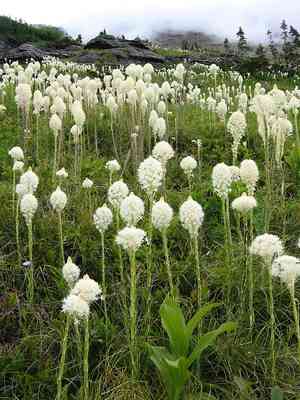
1
Beargrass is very versatile, flourishing in diverse garden settings.
2
Beargrass complements vibrant blooming flora wonderfully.
3
Strategic positioning of beargrass can establish organic focal points and boundaries.
Introducing Common Beargrass in Landscape Design
Overview of Common Beargrass and its distinct features
Common beargrass is a resilient and adaptable plant that enhances any garden. Recognized for its tall, grass-like leaves and striking clusters of small flowers, it adds unique texture and visual appeal to outdoor spaces. Its deep green foliage and ability to flourish in diverse soil conditions make it a dependable option for both new and experienced gardeners.
Why select Common Beargrass for your garden?
Opting for Common beargrass in your garden offers numerous advantages. Its minimal maintenance requirements make it a practical addition, needing little water and care. Furthermore, Common beargrass is deer-resistant, providing a robust choice for areas prone to wildlife. Its graceful appearance can elevate your garden's aesthetics, contributing to a refined and natural look that is unparalleled.
Designing with Common Beargrass: Initial Steps
Planning your landscape layout with Common Beargrass
When integrating Common beargrass into your landscape, begin by considering your garden's overall design and purpose. Determine the areas where Common beargrass will have the most visual impact. Its height and structure make it perfect for adding depth and layers to garden beds. Map out where Common beargrass could serve as a backdrop for shorter plants or as a natural separator between different garden zones.
Combining Common Beargrass with other plants
Common beargrass pairs exceptionally well with various flowering plants. Consider pairing it with vibrant perennials such as Coneflowers or Lavender to create a striking contrast. The fine texture of Common beargrass complements the bold shapes and colors of blooms, adding a dynamic and unified look to your garden. Experiment with placing Common beargrass next to low-growing ground covers or alongside shrubs to achieve a balanced and well-structured landscape.
Optimal Placement of Common Beargrass in Gardens
Identifying the ideal spot for Common Beargrass
Finding the perfect location for Common beargrass in your garden is crucial for its prosperity. Ideally, select a spot that receives partial to full sun. While Common beargrass is quite adaptable, sunny locations tend to enhance its foliage and blooms. Consider your garden's visual flow; arranging Common beargrass in clusters or lines can guide the eye and establish a natural rhythm within the landscape.
Sunlight and soil preferences for Common Beargrass
Common beargrass thrives in well-drained soil, making it suitable for various garden conditions. Although it can tolerate a range of soil types, ensuring proper drainage is vital to prevent root rot. Regarding sunlight, Common beargrass prefers full sun to partial shade, making it versatile enough for different garden orientations. Ensure the chosen spot has adequate sun exposure, and amend the soil if necessary to create an optimal growing environment.
Creative Applications of Common Beargrass in Landscape Design
Feature placements and focal points
Utilize Common beargrass as a focal point in your garden by positioning it in prominent areas where its distinctive form can be admired. Plant it in the center of garden beds or at entry points to attract attention and add a touch of sophistication. Its tall and striking appearance makes it a natural choice for creating visual interest and breaking the monotony of uniform plantings.
Borders and natural barriers with Common Beargrass
Common beargrass is excellent for establishing natural borders and barriers in your garden. Its dense foliage can serve as an appealing dividing line between different sections of your landscape. Plant Common beargrass along pathways, property boundaries, or around garden beds to create a defined and structured appearance. This versatility makes Common beargrass not only a beautiful but also a functional element in garden design.



