How to Propagate Common beargrass?
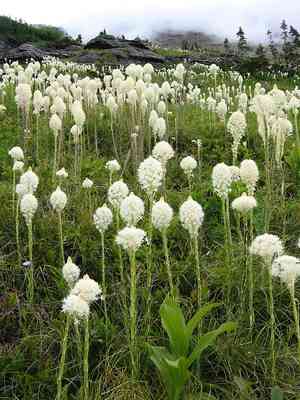
Xerophyllum tenax is resilient and easily multiplied by dividing its clumps, a straightforward and effective technique suited to its growth pattern. Gently splitting the plant's underground stems, making sure each segment includes some roots, facilitates successful replication. This process yields vigorous, genetically identical progeny, vital for preserving the distinct traits of Xerophyllum tenax. It is crucial to perform divisions with sanitized, sharp implements to avoid injury and illness, a fundamental measure for the plants' health.
When Is the Optimal Time to Propagate Common Beargrass?
Propagation Type
Separation
Propagation Season
Spring,Autumn
What Tools Are Utilized for Common Beargrass Propagation?
Sharp, sterile knife or garden spade
This instrument is vital for dividing common beargrass, enabling clean, precise cuts through rhizomes or root clumps. A keen blade minimizes plant harm and lowers the risk of fungal or bacterial infection, crucial for common beargrass's health and quick recovery post-propagation.
Gardening gloves
Handling common beargrass during propagation can lead to minor injuries from its tough leaves and fibrous roots. Gloves safeguard hands, allowing for safer, more comfortable manipulation of the plant and its parts during division.
Watering can with a gentle nozzle
Immediately after division, common beargrass needs gentle watering to help settle the soil and remove air pockets around the roots. A watering can with a fine nozzle delivers water softly, ensuring new sections are undisturbed and moisture reaches the root zone effectively.
Rooting hormone (optional)
Though not mandatory, applying a rooting hormone to common beargrass's cut root surfaces can encourage faster root development and boost overall propagation success. This enhances the plant's ability to establish itself more quickly in its new environment.
Label and marker
Labeling each division with a marker ensures precise tracking of newly propagated common beargrass. This is especially useful in experiments or when different care regimens are tested to determine optimal conditions for successful establishment.
How to Propagate Common Beargrass?
Propagation Type
Simple
How to Nurture Your Newly Propagated Common Beargrass?
How to Nurture Your Newly Propagated Common Beargrass?
After propagation, common beargrass requires minimal upkeep but thrives with consistent moisture, especially during dry spells, and prefers a sunny to partly shaded spot. It adapts well to poor, rocky soils and doesn't need rich or heavily amended soil. Monitor for pests and diseases, though common beargrass is generally pest-resistant. During the first year post-propagation, keep the soil moderately moist and shield young plants from extreme conditions until fully established.
Common Errors to Avoid When Propagating Common Beargrass
Overwatering
Excessive watering can cause root rot in common beargrass, as these plants are suited to drier conditions. Too much soil moisture may lead to fungal infections and poor root health.
Soil Choice
Using dense or poorly draining soil mixes can suffocate common beargrass roots due to insufficient aeration and drainage, which is vital for their survival.
Deep Planting
Planting common beargrass seeds or offsets too deeply can prevent them from getting enough light for germination and growth, hindering their development.
Neglecting Root Division
Failing to carefully divide common beargrass roots can harm the plant's root system, causing stress and reduced vigor during propagation.
Advice for Propagating Common Beargrass
Soil Preparation
Prepare a well-draining soil mix with gritty or sandy components to mimic common beargrass's natural habitats, ensuring healthy root development.
Proper Depth
Sow common beargrass seeds or plant offsets at the correct depth to facilitate proper germination and root establishment. The depth should be shallow enough for light penetration and temperature regulation.
Gentle Division
When dividing common beargrass roots, use a sharp, clean tool to minimize damage and ensure successful propagation. Make sure each division has an adequate root system attached.
Moderate Watering
Provide common beargrass with moderate amounts of water, allowing the soil to dry out between watering sessions. This mimics natural rainfall patterns and reduces the risk of root rot.



